

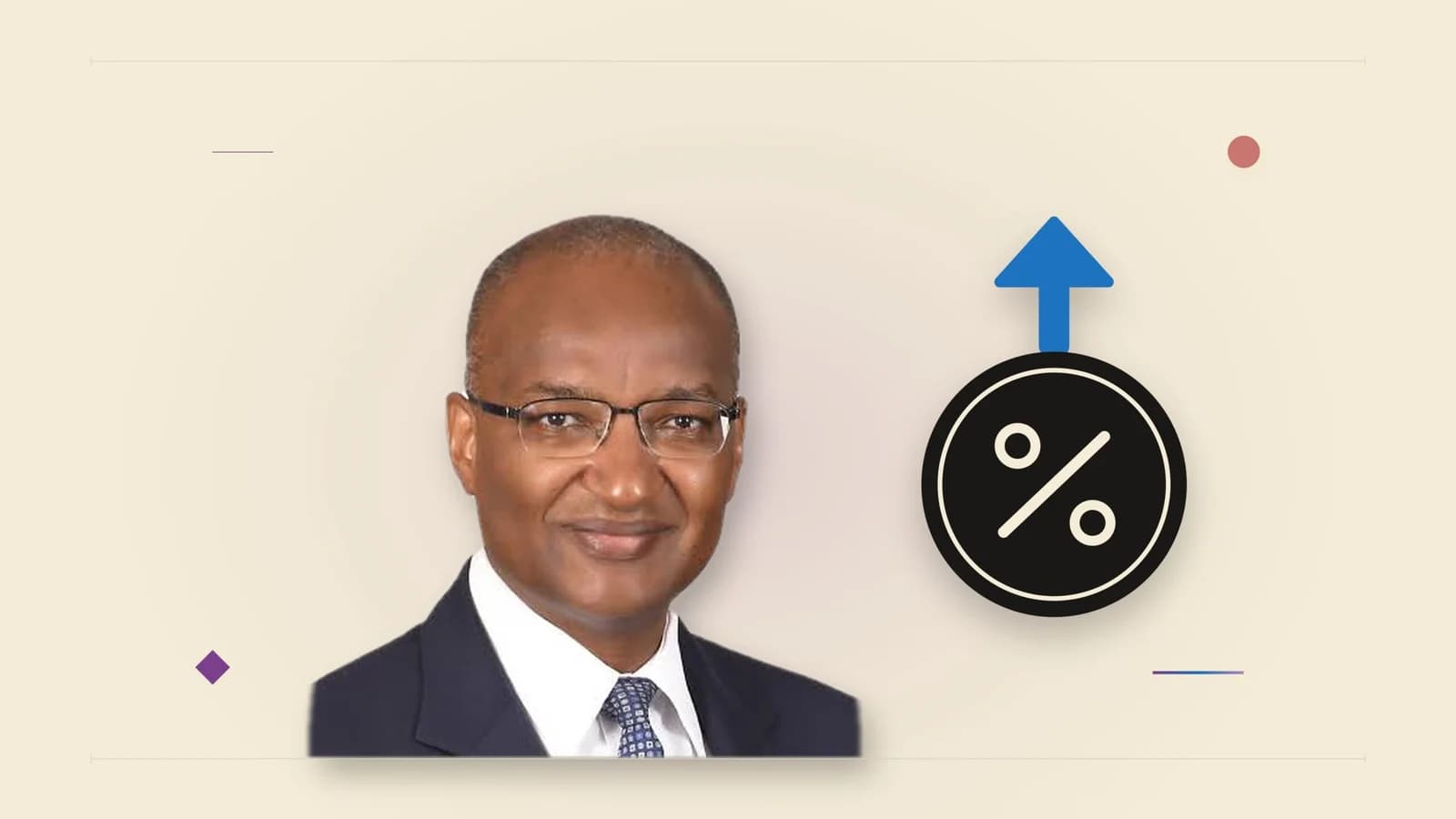
Pew Research Center, a US research group that runs public-opinion surveys, asked adults in 37 countries whether social media has been more of a good or a bad thing for democracy in their country. In Kenya, 75% said good and 24% said bad. Only Nigeria (80%), Thailand (77%) and Singapore (77%) were more positive. The median, the middle result when the countries are ranked, was 55% good and 35% bad. The interviews ran from February to May 2026, and Pew published the results on 1st October 2026.
Kenya was last surveyed in 2023, when 74% said good and 23% said bad. Other countries have moved. Pew finds that in most countries where it can compare with 2022 or 2023, the share saying bad has grown significantly. In Germany it went from 41% to 61%, and in the Netherlands from 54% to 70%. In the United States, 64% say bad, the same as in 2022.
Pew also asked four follow-up questions about what the internet and social media have done to people. Kenyans are less likely than most to name the downsides:
| Share saying the internet and social media have made people more… | Kenya | 37-country median |
|---|---|---|
| Informed about current events | 70% | 77% |
| Able to have a meaningful voice in politics | 60% | 60% |
| Easy to manipulate with false information and rumours | 64% | 79% |
| Divided in their political opinions | 47% | 68% |
The 47% on division is the lowest of any country surveyed, and the 64% on manipulation is the third lowest, after India’s 62% and Israel’s 63%. Kenyans are also below the median on whether these tools have made people better informed.
Younger Kenyans are warmer. Among people aged 18 to 34, 80% say social media has been good for democracy, against 71% of those aged 35 to 49 and 63% of those 50 and older, so a majority in every age group. Pew finds that people who use more of the five platforms it asked about (Facebook, Instagram, TikTok, X and Snapchat) are generally more positive. In Kenya, 64% use Facebook, and TikTok use has risen from 37% in 2023 to 58%.
People in richer countries are more likely to say social media harms democracy. Kenya, Ghana, Nigeria, the Philippines and Thailand are among the places where roughly three in four or more say it helps, and Singapore, at 77%, is one of the two high-income exceptions Pew names, with Israel. The report’s suggested reason is that the platforms give people a voice when many feel they have none. Kenya sits at the median on that question, and Pew’s published questions don’t ask why, so the survey cannot say what drives the Kenyan numbers.
Online speech has been contested in Kenya since the 2023 survey. Footage from the 25th June 2024 anti-tax protests fed an investigation built on more than 5,000 images and videos of how security forces treated protesters. In June 2025, the Communications Authority, the regulator for telecoms and broadcasting, ordered broadcasters to stop live coverage of the protests and Telegram was restricted, as we documented at the time. Also that June, the blogger Albert Ojwang died in police custody after being arrested over a social media post, one of several cases in our look at Kenya’s digital rights record.
On 6th March 2026, the Court of Appeal, Kenya’s second-highest court, declared sections 22 and 23 of the Computer Misuse and Cybercrimes Act unconstitutional. Section 22 made it an offence to intentionally publish false, misleading or fictitious data meant to be taken as authentic, with up to two years in prison, a fine of up to KES 5 million, or both. Section 23 covered knowingly publishing false information that is calculated to cause, or results in, panic, chaos or violence, or that is likely to discredit anyone’s reputation, with up to 10 years in prison, the same fine, or both. The judges found both too broad, likely to catch innocent people. The ruling removes those two offences. It does not make every post lawful, because the court dismissed every other challenge in the case.
The Director of Public Prosecutions, the State’s chief prosecutor, has appealed to the Supreme Court, the highest court. The Speaker of the National Assembly has filed a separate appeal, listed for mention on 18th September 2026. No ruling or stay had been reported by 4th October 2026.
Pew did not ask about any of this. It is one survey of opinion with a margin of error, so a point or two between countries or years means little, and it cannot show whether the platforms have helped. What it does show is that Kenyans hold both views: 75% call social media good for democracy and 64% say it makes people easier to manipulate with false information, the kind of harm sections 22 and 23 addressed. The Supreme Court’s ruling will decide whether the Court of Appeal’s declaration stands.
Comments
No comments yet. Be the first to share your thoughts.