
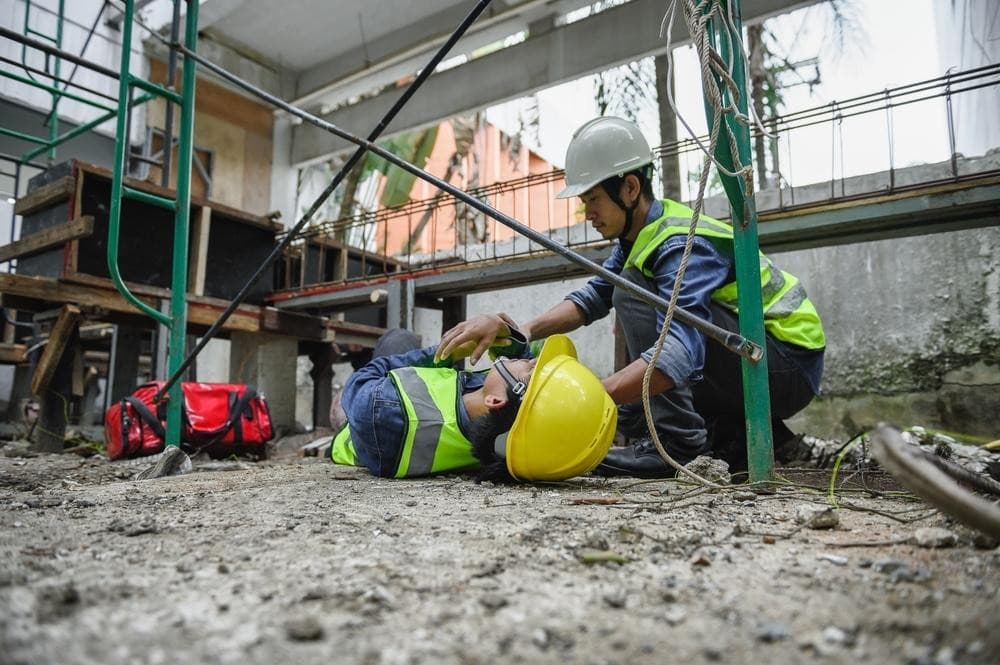
After a scaffold collapse, injured workers may have several legal options, depending on what caused the structure to fail and who was responsible for keeping the site safe. Workers’ compensation may cover certain medical costs and lost wages, while a separate claim may be possible if a contractor, equipment maker, or another party contributed to the accident.
Knowing which route applies can be difficult without reviewing the facts. A scaffold accident lawyer for injured workers can help assess the available evidence and explain the claims that may be worth considering under the law.
1. Filing a Workers’ Compensation Claim
Workers’ compensation is often one of the first options available to eligible employees injured in a scaffold collapse. This system generally provides benefits for work related injuries without requiring the worker to prove that the employer was at fault. Depending on the claim and applicable rules, benefits may cover medical treatment and part of the wages lost during recovery.
Workers should report the accident through the proper workplace process and follow the required steps for filing a claim. Medical records and reports from the treating doctor can help document the injury and the care needed.
However, workers’ compensation does not cover every type of loss. It generally does not pay damages for pain and suffering, and disputes about eligibility or benefits may arise. Other legal options may also be worth examining.
2. Pursuing a Personal Injury Claim Against a Third Party
A scaffold collapse may involve more than the injured worker’s employer. Other companies or individuals may have played a role in creating or failing to correct the unsafe condition. If the evidence supports their responsibility, an injured worker may have grounds for a separate personal injury claim.
Possible parties to investigate include:
General Contractors and Subcontractors
A contractor may have failed to arrange safe working conditions, properly coordinate work, or address a known scaffold hazard. A subcontractor may also be involved if its work contributed to an unsafe setup or collapse. Their actual duties and actions must be examined before liability can be established.
Property Owners and Scaffolding Companies
A property owner or scaffolding company may also need to be considered, depending on its role in the project. Questions may include who arranged the scaffold, who assembled it, and who was responsible for inspections or repairs.
A third party claim is separate from workers’ compensation and may allow recovery for additional losses if the legal requirements are met.
3. Examining Scaffold Safety Violations
Scaffolds must be properly assembled, supported, and maintained to provide a safe working platform. Missing guardrails, weak supports, overloaded platforms, and loose connections can increase the risk of a collapse. Identifying the exact failure can help explain whether safety rules were ignored.
An investigation may include reviewing accident reports, photographs, witness statements, inspection records, and maintenance documents. These details can help show the condition of the scaffold before the accident and whether anyone failed to address a known danger.
Workplace safety rules may also affect a claim. In the United States, the Occupational Safety and Health Administration (OSHA) sets scaffold safety standards for covered workplaces. However, an OSHA violation does not automatically establish civil liability. The legal effect depends on the facts and the laws that apply to the claim.
4. Considering a Product Liability Claim
Sometimes, the scaffold itself or one of its parts may have contributed to the collapse. A defective support, faulty locking device, or weak connection may fail even if workers followed the normal setup process.
In such cases, an investigation may examine the manufacturer, supplier, or another party involved in making or distributing the equipment. The available evidence must show whether a product defect or another legally relevant failure contributed to the injury.
Damaged scaffold parts, product details, purchase records, and maintenance documents may help explain what went wrong. Workers should avoid altering or discarding relevant evidence where possible. An attorney can review the facts to determine whether a product liability claim may be available.
5. Seeking Compensation for Injury Related Losses
The compensation available after a scaffold collapse depends on the type of claim and the losses involved. A third party personal injury claim may allow an injured worker to seek damages such as:
- Medical expenses related to the injury, including eligible future treatment costs.
- Lost wages and reduced future earning ability.
- Pain and suffering, where legally recoverable.
These damages are not automatically available in every case. Workers’ compensation follows different rules and generally provides a limited set of benefits. A personal injury claim may offer other forms of recovery, but the injured worker must meet the legal requirements.
Reviewing medical records, wage information, and evidence about the accident can help establish the losses connected to the injury.
Exploring Legal Options After a Scaffold Collapse
A scaffold collapse may give rise to a workers’ compensation claim, a third party personal injury claim, or a product liability claim, depending on the circumstances. A scaffold accident lawyer for injured workers can review the available evidence, explain possible routes to compensation, and help identify the parties who may be responsible. The right option depends on the injury, the cause of the collapse, and the applicable law.


Comments
No comments yet. Be the first to share your thoughts.