

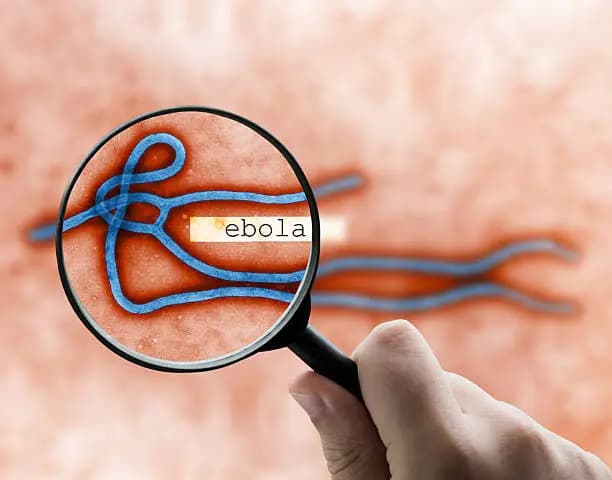
An Ebola outbreak can affect much more than people’s physical health. Because the disease can create fear of infection and require strict public health measures, it can change how people interact, work, study, travel and participate in community activities. Understanding how Ebola outbreak affects social life helps communities prepare for these challenges while reducing fear, stigma and social isolation.
-
Table of Contents
ToggleReduces Physical Social Interaction
During an outbreak, people may reduce handshakes, hugs and other forms of close physical contact because Ebola can spread through direct contact with infected body fluids.
This can make normal social interactions feel different and less personal.
-
Affects Family Relationships
Families may experience separation when a member becomes sick or is required to isolate or receive treatment.
Fear of infection can also make relatives hesitant to visit someone who is ill, creating emotional stress during an already difficult period.
-
Disrupts Community Gatherings
Large gatherings such as weddings, religious events, sporting activities and community celebrations may be postponed or modified during an outbreak.
These changes can interrupt important social and cultural activities.
-
Changes Funeral Practices
Ebola can significantly affect traditional funeral and burial practices because contact with the body of a person who died from the disease can create a transmission risk.
Safe and dignified burial procedures may therefore replace some traditional practices, which can be emotionally difficult for families.
-
Causes Fear and Anxiety
People may become worried about contracting Ebola from neighbours, colleagues or people they meet in public.
Persistent fear can lead some individuals to avoid normal social activities even when the actual risk of transmission is low.
-
Can Lead to Stigma
People who have had Ebola, their family members and sometimes healthcare workers may face stigma because others fear infection.
This can result in social isolation, discrimination and difficulties returning to normal community life.
-
Disrupts Education
Schools may be temporarily closed or operate under additional health measures during an outbreak.
Children can lose learning time and opportunities to interact with classmates, while parents may need to make alternative arrangements for childcare.
-
Affects Work and Livelihoods
An Ebola outbreak can disrupt workplaces and businesses, particularly in areas where movement is restricted or people are afraid to interact.
Workers may have difficulty travelling to work, while businesses that depend on customers, transportation or public gatherings may experience reduced activity.
-
Restricts Travel and Movement
Public health measures may affect movement between communities or regions during an outbreak.
People may postpone visits to relatives, business trips and other journeys, which can reduce social and economic interaction.
-
Increases Social Isolation
People who are sick, exposed to the virus or placed under monitoring may need to limit contact with others.
Isolation can lead to loneliness, frustration and emotional distress, particularly when it separates people from their families.
-
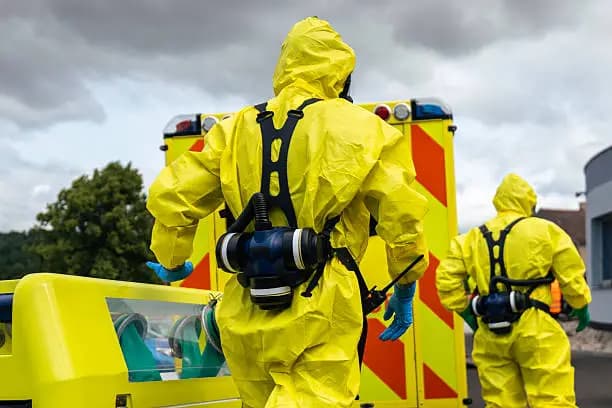
Affects Healthcare Workers
Healthcare workers responding to an Ebola outbreak may experience fear, stress and social pressure because of their close contact with patients.
Some may also face stigma or avoidance from members of their communities who fear that they could spread the disease.
-
Creates Pressure on Community Trust
Fear and misinformation can cause people to lose trust in healthcare workers, government officials or outbreak response teams.
Clear communication and meaningful community involvement are important for maintaining trust and encouraging people to follow appropriate health measures.
-
Increases the Need for Community Support
During an outbreak, communities may need stronger emotional, social and financial support.
Local leaders, healthcare workers, religious organisations and community groups can help people understand the situation, support affected families and reduce unnecessary discrimination.
-
Can Affect Mental Well-Being
Fear of infection, loss of loved ones, financial difficulties and social isolation can place significant emotional pressure on individuals and families.
People affected by an outbreak may benefit from counselling, social support and accurate information from trusted health authorities.
-
Can Strengthen Community Cooperation
Although an Ebola outbreak can disrupt social life, it can also encourage communities to work together. People can support affected families, share accurate health information, help vulnerable neighbours and cooperate with health workers.
Strong community participation can help reduce fear and improve the effectiveness of outbreak-control measures.

Comments
No comments yet. Be the first to share your thoughts.