
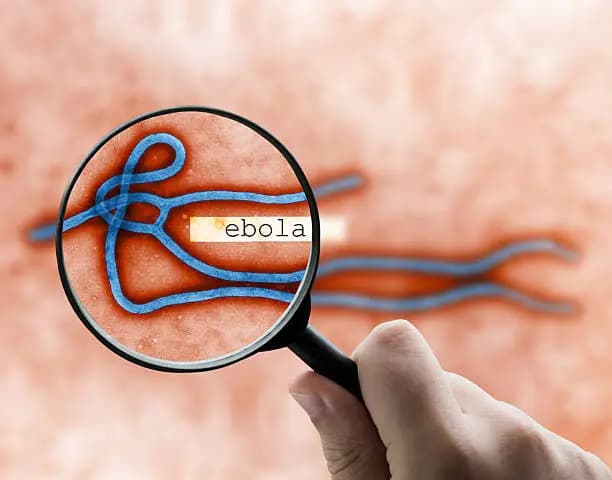
Ebola is a serious viral infection that can cause severe illness and requires prompt medical attention. Many people wonder how long does Ebola stay in the body after infection or recovery. The answer can vary depending on the stage of the illness, the part of the body affected and the individual. Understanding how Ebola behaves in the body can help people take appropriate precautions.
-
Table of Contents
ToggleUnderstand the Incubation Period
After a person is exposed to Ebola, symptoms can take between 2 and 21 days to appear.
During this period, a person may not have noticeable symptoms. Monitoring after a known exposure is therefore important.
-
Know When Symptoms Usually Begin
Ebola commonly begins with symptoms such as fever, weakness, tiredness, headache, muscle pain and sore throat.
As the illness progresses, vomiting, diarrhoea, abdominal pain and other serious symptoms may develop.
-
Understand How Long the Illness Can Last
Ebola is an acute illness, meaning it develops over a relatively short period. The duration varies between individuals depending on the severity of the infection and the care they receive.
Some people recover, while severe cases can become life-threatening.
-
Understand That Recovery Does Not Mean Every Trace Is Immediately Gone
After a person recovers, Ebola virus material may remain in certain parts of the body for longer than it remains in the blood.
This is particularly important when considering possible transmission after recovery.
-
Know That the Virus Can Persist in Certain Body Areas
Ebola may persist in areas such as the eyes, central nervous system and testicles after recovery.
This does not mean that every recovered person remains infectious, but it is one reason survivors may require follow-up care.
-
Pay Attention to Sexual Health After Recovery
Ebola can persist in semen for an extended period in some male survivors. Sexual transmission after recovery is uncommon but has been documented.
Survivors should follow medical guidance concerning sexual activity and protection.
-
Follow Medical Follow-Up
People who recover from Ebola may need follow-up care to monitor their health and address possible complications.
Healthcare professionals can also provide advice about reducing any remaining risk of transmission.
-
Understand That Ebola Does Not Stay in Everyone for the Same Length of Time
The duration of Ebola virus persistence can vary from one person to another. Different parts of the body may clear the virus at different rates.
Testing and medical assessment are therefore more reliable than simply counting the number of days since recovery.
-
Do Not Assume That Feeling Better Means Immediate Clearance
A person may feel healthy after recovering from Ebola, but some virus material can persist in particular body sites.
Following medical advice after recovery is important even when symptoms have disappeared.
-
Avoid Contact With Body Fluids
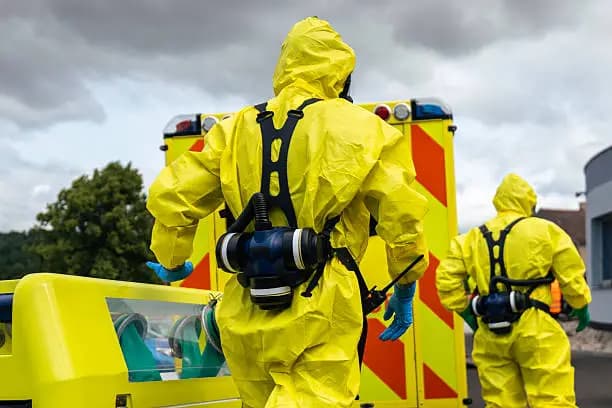
Blood and other body fluids from an infected person can transmit Ebola. During illness, appropriate infection-control precautions are essential.
People should avoid contact with potentially infectious fluids and follow instructions from healthcare professionals.
-
Take Extra Care With Personal Items
Items contaminated with body fluids can potentially contribute to transmission.
Clothing, bedding and other materials used by a person with Ebola should be handled and disinfected according to appropriate infection-control procedures.
-
Understand the Importance of Safe Burials
The bodies of people who die from Ebola can remain infectious. Families and community members should therefore avoid directly handling or preparing the body.
Trained teams should carry out safe and dignified burial procedures.
-
Know That Survivors Can Have Long-Term Health Problems
Some Ebola survivors experience health problems after recovery, including fatigue, joint pain, eye problems and other complications.
Continued medical follow-up can help identify and manage these problems.
-
Seek Medical Advice After Possible Exposure
If you have had possible contact with Ebola or develop symptoms after an exposure, seek medical attention promptly.
Inform healthcare workers about the possible exposure so appropriate precautions can be taken.
-
Follow Public Health Guidance
During an Ebola outbreak, follow instructions from health authorities regarding testing, monitoring, vaccination when appropriate, isolation and contact tracing.
Public health measures help protect survivors, their families and the wider community.

Comments
No comments yet. Be the first to share your thoughts.