
Few things reveal the mindset of a ruling class quite as starkly as an unscripted, arrogant quip on social media.
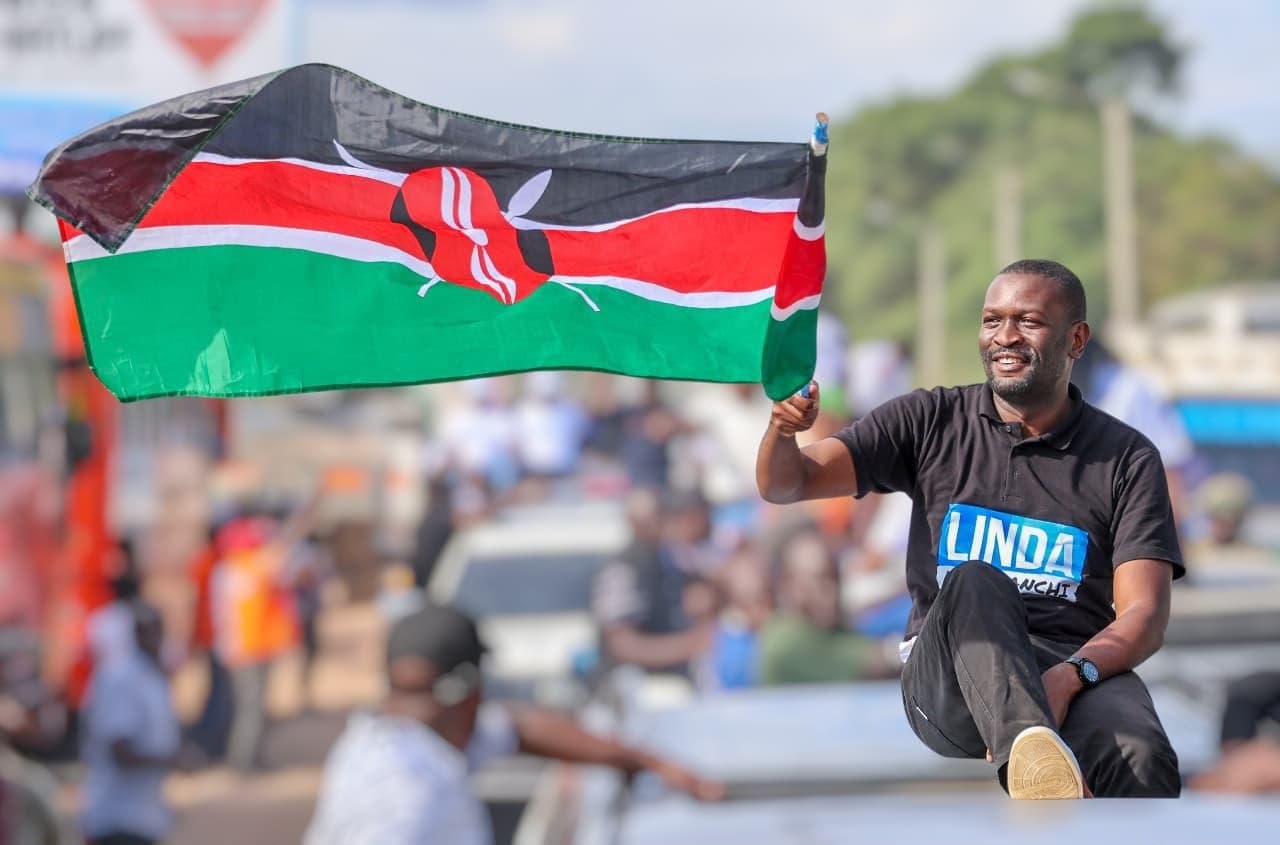
Nairobi Senator Edwin Sifuna posted about his journey through Kwale County as he was headed to a Linda Mwananchi Rally. He noted that the road from Kinango to Kwale town was an obstacle course of craters and stagnant water (ni kuruka vihunzi na maji… lakini tutafika tu Inshallah). This is an everyday reality familiar to millions of ordinary Kenyans where infrastructure neglect is a daily annoyance.
Enter Senate Majority Leader Aaron Cheruiyot, armed with a dismissal: “Tandika katiba upitie juu…” (Lay down the constitution and drive over it).
The remark is especially egregious against the backdrop of the political class’s latest PR reinventions. The President and his allies recently rolled out yet another glossy campaign slogan, “Usawa ni Sawa”, promising equity, fairness, and inclusion. But like many political catchphrases before it, the rhetoric collapses the moment it encounters the harsh reality of the marginalized.
It seems Usawa ni Sawa applies everywhere except when it is the poor in Kwale who need passable roads and basic dignity. When ordinary taxpayers in neglected counties ask for roads they have paid for through endless fuel levies, the official state response is ridicule instead.
The primary duty of the Senate Majority Leader, and indeed of the administration he defends, is to facilitate policies, legislation, and resource allocation that ensure roads like the Kinango to Kwale stretch are passable. The road tax, fuel levies, and national budget do not distinguish between political affiliations.
Cheruiyot’s flippancy cannot be treated in isolation. It is merely a symptom of a much larger, systemic rot in the national political culture. The tone is set right from the apex of power, where the President rarely misses an opportunity to insult, mock, and demean political opponents from public podiums. When the head of state treats legitimate dissent and accountability with open ridicule, it sends a clear signal down the hierarchy that respect for the governed is entirely optional.
This contempt naturally trickles downward. Cabinet Secretaries and senior state officers, taking cues from State House, routinely exhibit staggering abrasiveness whenever they are confronted with legitimate public questions. Instead of service delivery, citizens are met with condescending lectures, defensive outbursts, and outright sneering from public officials. Their salaries and lavish motorcades are funded by the very taxpayers they demean.
To make matters worse, this arrogance is weaponized online. State-aligned politicians bankroll armies of digital mercenaries and troll brigades to police public sentiment around the clock. Kenyans on social media are barely allowed breathing room. Every valid concern about crumbling infrastructure, punitive taxation, or failing public services is instantly swamped by coordinated bot farms and hired influencers.
These mercenaries do not defend policy with facts, they flood timelines with shameless propaganda, ethnic dog whistles, and divisive tribal rhetoric designed to pit communities against one another. By framing every legitimate civic grievance as an ethnic slight or an opposition conspiracy, this paid apparatus seeks to manufacture an illusion of unshakeable public adoration for the presidency while drowning out genuine distress.
Cheruiyot’s comment carries an even deeper, darker irony. The Constitution of Kenya (2010) is the social contract that establishes devolution, equitable resource distribution, and the basic right of marginalized regions like Kinango to receive equitable public development.
To suggest rolling over the Constitution to bypass a rut in the mud is an unintentional confession. For an executive and legislative majority often accused of treating constitutional boundaries as irritants, telling critics to literally trample upon the document reveals how the ruling elite perceives the supreme law. It is telling that they view it as an inconvenient paper barrier that gets in the way of absolute power. Their various attempts to bypass it are a strong indicator that they do not care for it.
If laying down the constitution or chanting empty slogans like Usawa ni Sawa were enough to fix Kenya’s broken roads, citizens would have carpeted every pothole from Mombasa to Mandera years ago. Until then, leaders would do well to remember that witty arrogance and state-sponsored deflection do not pave a single kilometer of road.



Comments
No comments yet. Be the first to share your thoughts.