
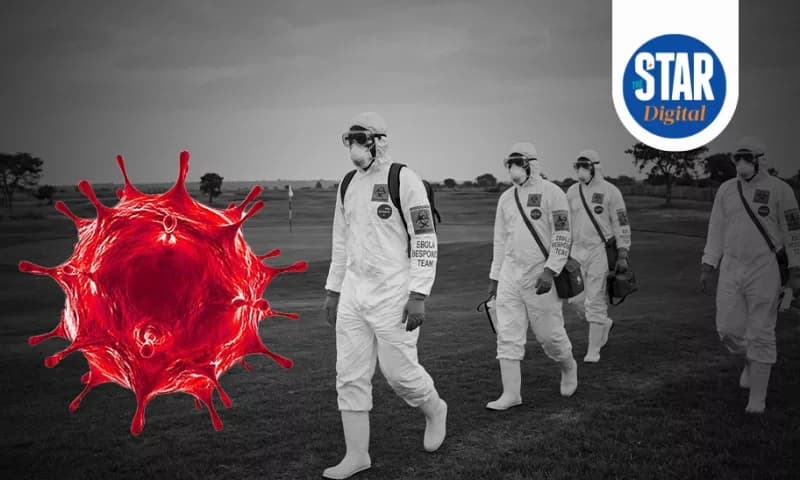
A blanket visa ban hurts workers, pilgrims, students and businesses without necessarily offering better protection than targeted screening.

Saudi Arabia has every right to protect its citizens from Ebola. But public health decisions must be guided by evidence, not fear. Riyadh's blanket restrictions on travel to and from Kenya deserve reconsideration because they do not reflect the pattern of infections or the progress made in containing the outbreak.
Kenya has reported nine cases, including two deaths. However, all the infections have been linked to one imported case. There is no evidence of transmission beyond this cluster. All identified contacts have been traced, and the country had gone 10 days without a new infection by October 30.
These are important signs of progress. They do not mean Kenya can abandon vigilance, but they show why treating the entire country as a high-risk zone is difficult to justify.
The World Health Organisation advises against travel and trade restrictions in response to the current outbreak. It recommends measures such as screening travellers, surveillance and contact tracing.
More importantly, countries must respect the International Health Regulations of 2005. These rules allow governments to take additional health measures, but require scientific justification when such measures seriously disrupt international travel.
Quote of the Day: “The moment we want to believe something, we suddenly see all the arguments for it, and become blind to the arguments against it.” —Irish dramatist George Bernard Shaw died on November 2, 1950


Comments
No comments yet. Be the first to share your thoughts.