
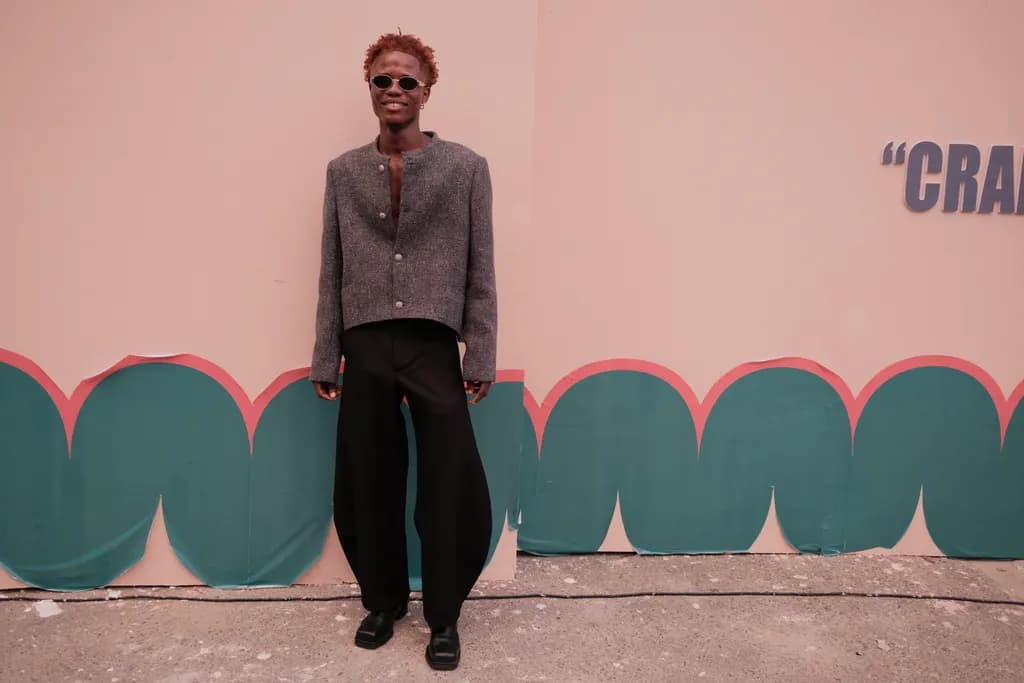
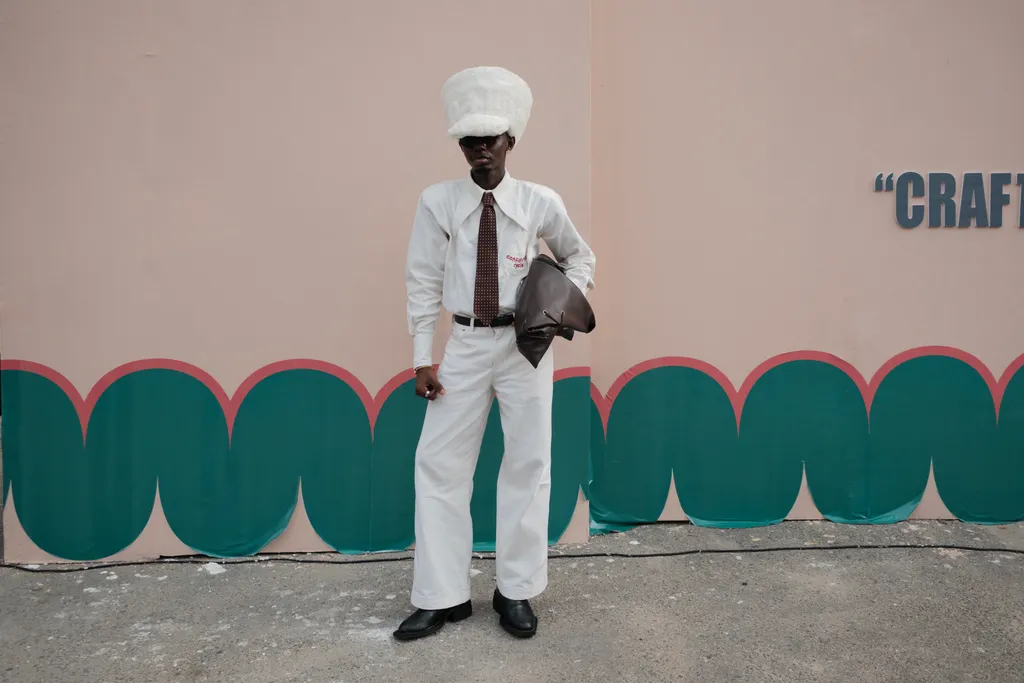
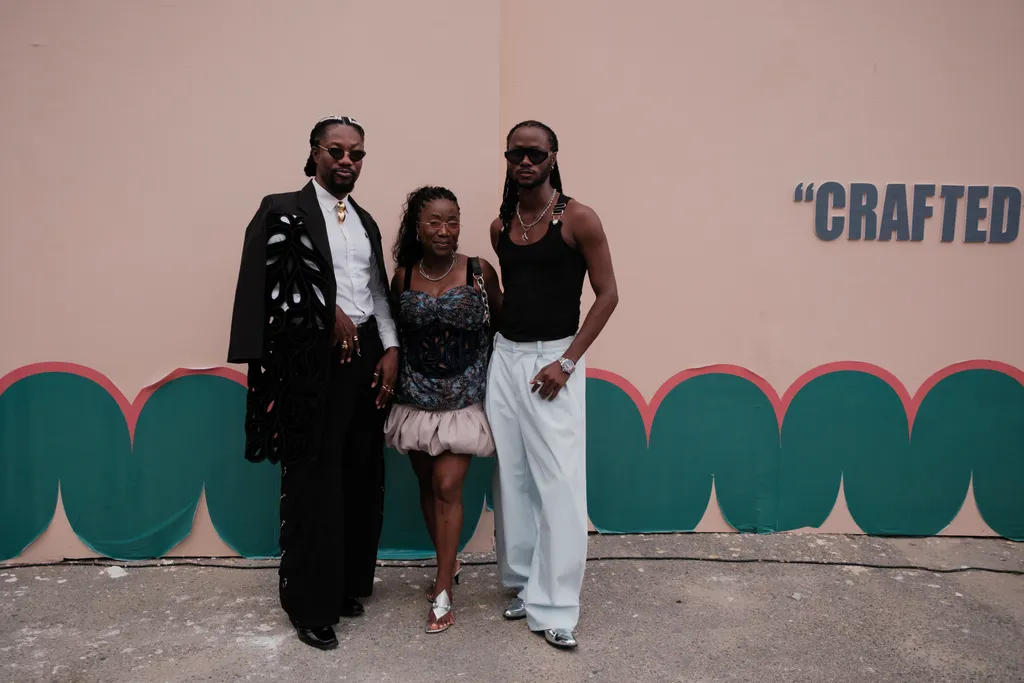
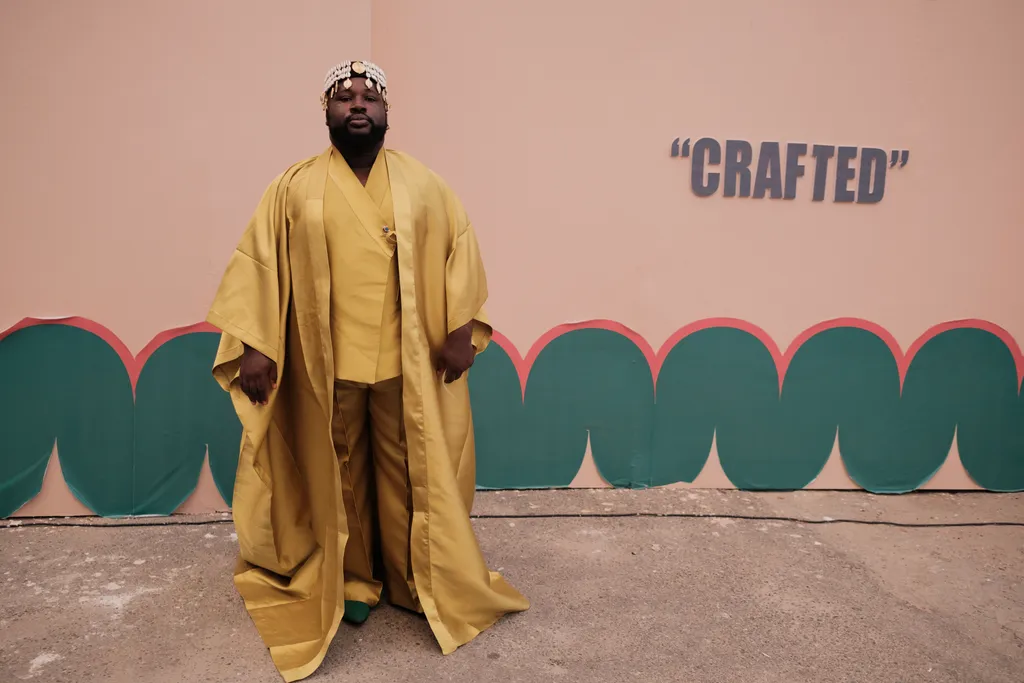
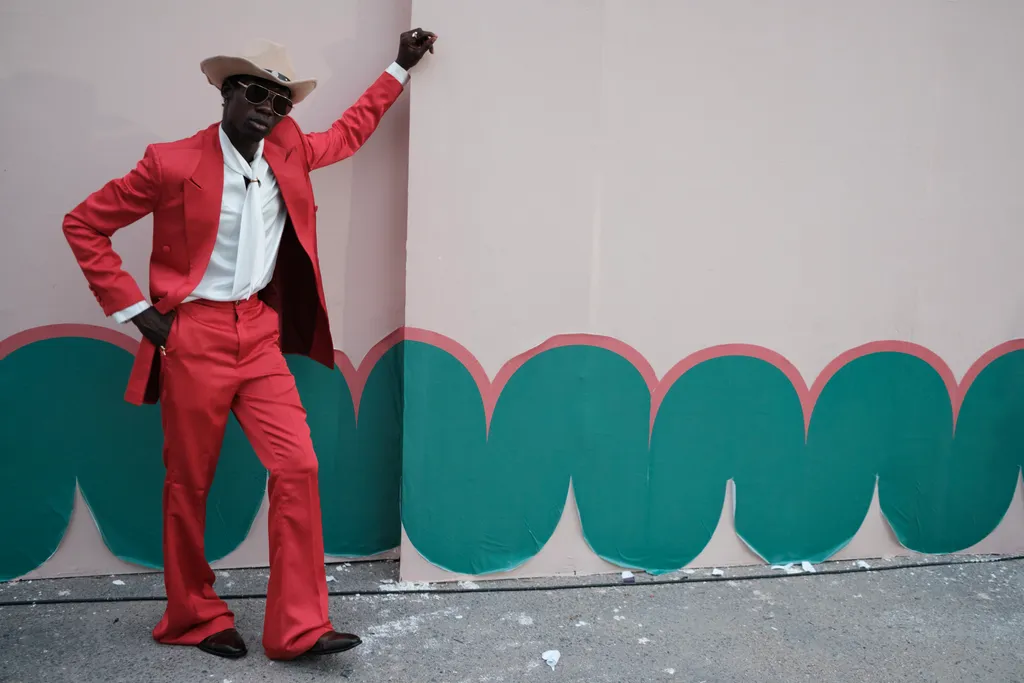
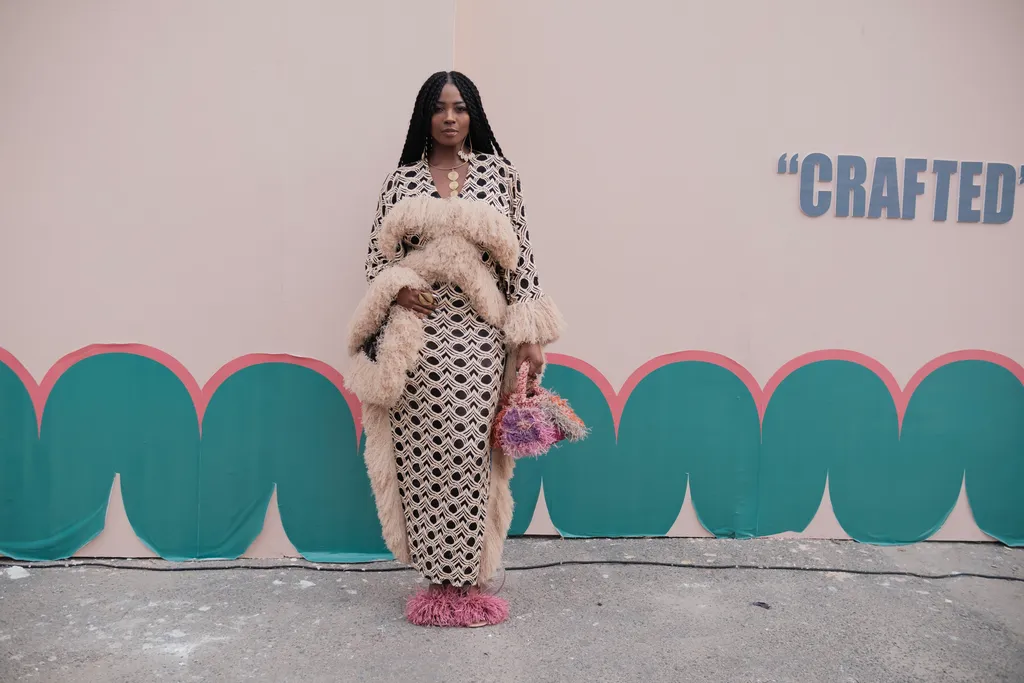
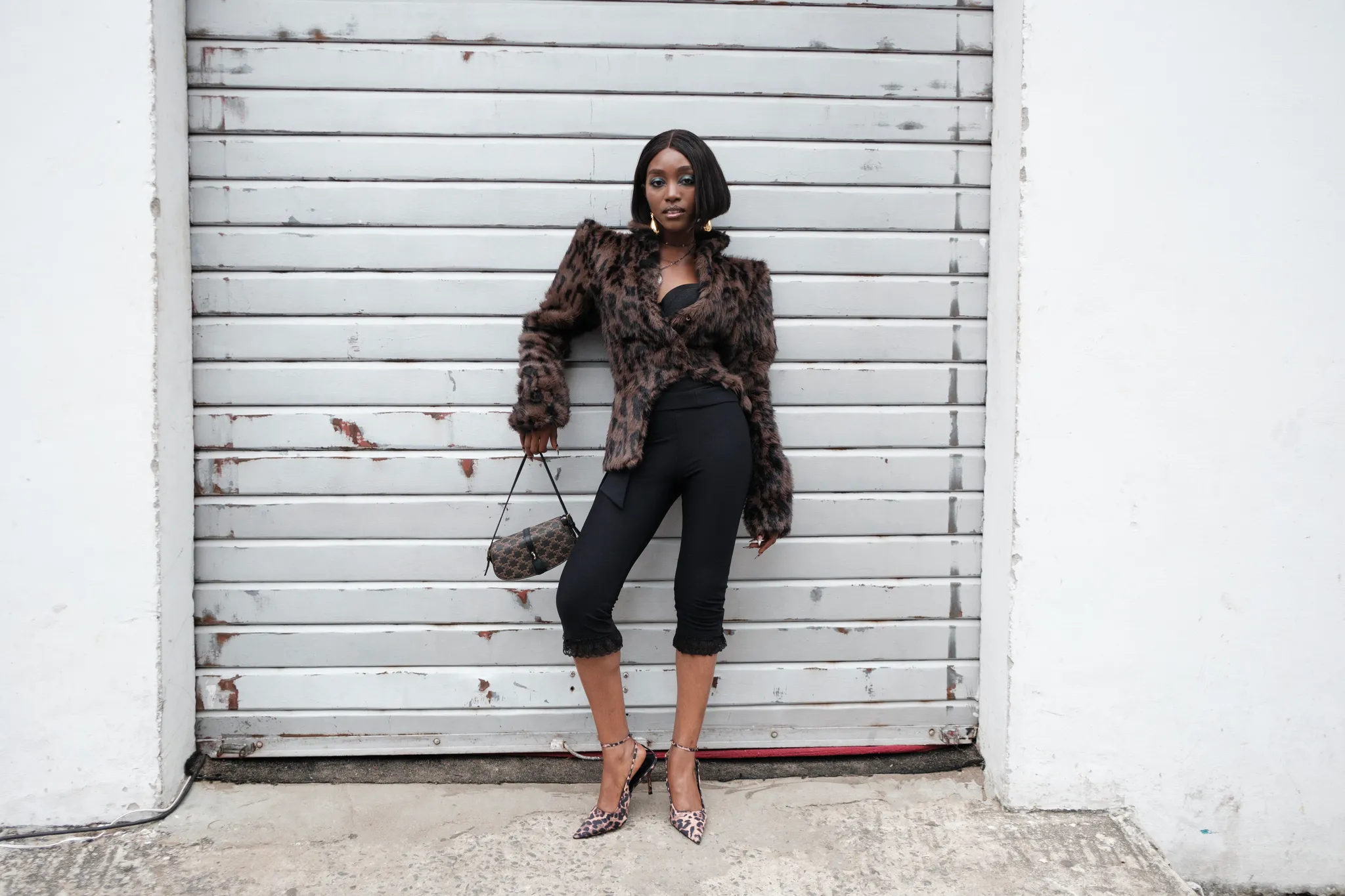
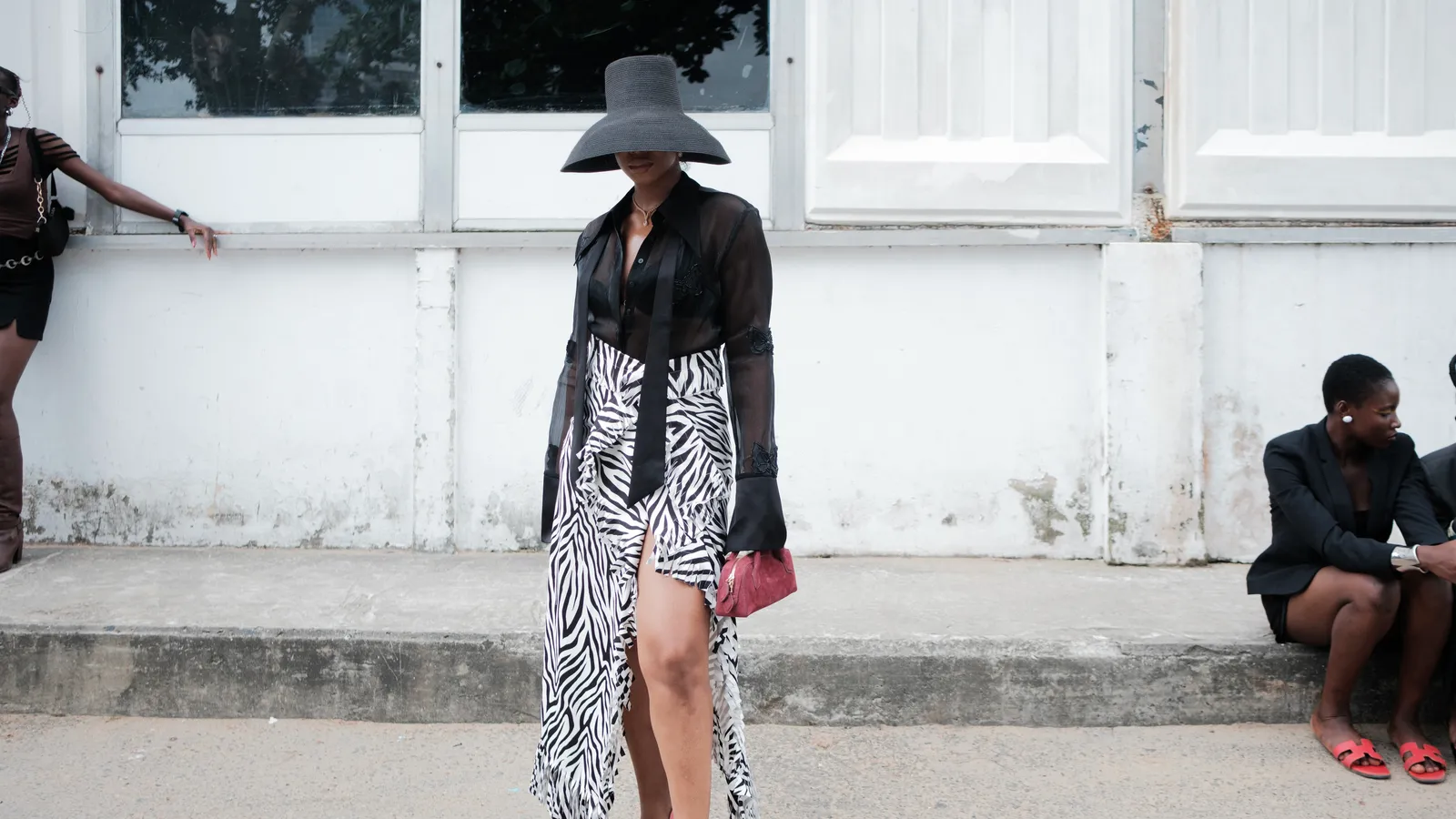
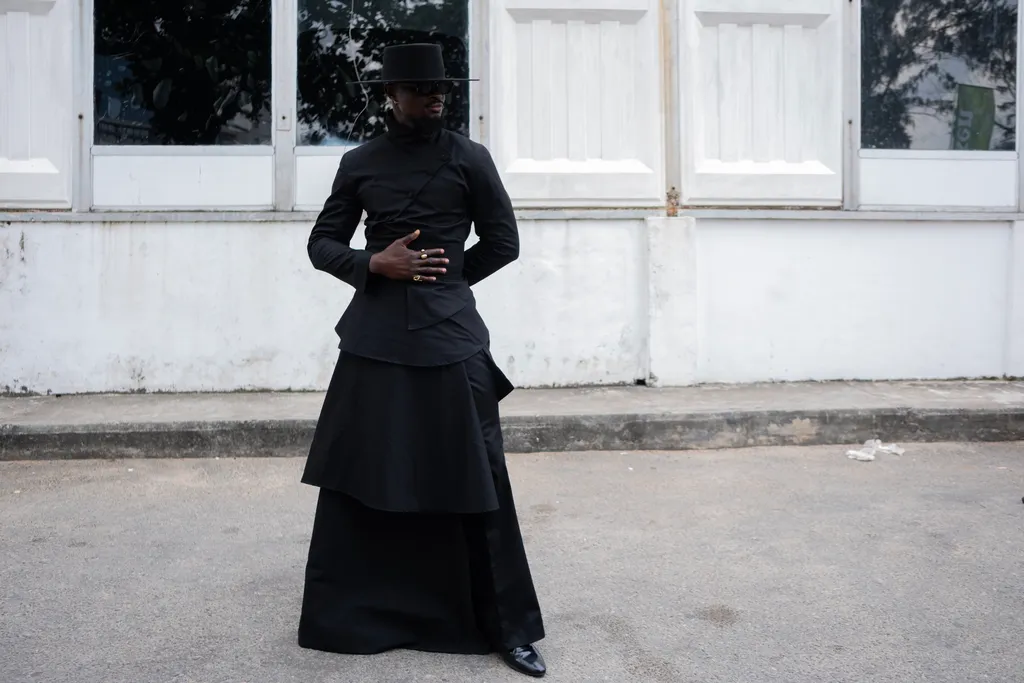
Nigerian street style is receiving international attention after Vogue published a 36-image gallery documenting some of the best-dressed guests attending the Spring 2027 fashion shows in Lagos. Photographed by Nigerian visual storyteller Stephen Tayo, the October 30 gallery captures a fashion scene defined by expressive dressing, vibrant colours, playful accessories and a confident interpretation of contemporary African style.
The images offer a glimpse into a city where fashion is not merely an accessory to the runway calendar but an important part of its wider creative identity. Among the personalities featured in the gallery are singer Chidinma Ekile, musician Ro James, actress Osas Ighodaro, musician Daddy Showkey and author Sefi Atta. Their appearances reflect the intersection of fashion, music, entertainment and the arts that increasingly defines Lagos’s cultural landscape.
Beyond the runway, a street-style identity
Lagos has long cultivated a fashion identity that draws from Nigerian heritage, contemporary streetwear, experimental silhouettes and a strong appetite for visual expression. This season’s street-style photographs capture that diversity through an assortment of looks, from statement tailoring and coordinated separates to relaxed dressing, distinctive headwear and expressive accessories.
Colour and print remain important elements of the city’s fashion vocabulary, while individual styling gives familiar wardrobe staples a distinctly personal interpretation. The result is fashion that feels less concerned with following a single seasonal formula and more interested in celebrating individuality.
Lagos and the business of African fashion
Beyond the aesthetics, the international attention carries significance for Nigeria’s creative economy. Fashion weeks provide designers, stylists, photographers, models, retailers and other creative professionals with opportunities to connect with international audiences, industry stakeholders and potential commercial partners.
Street style contributes to that visibility by extending fashion-week coverage beyond individual collections and presenting the wider ecosystem of people who consume, interpret and influence fashion. For African fashion businesses seeking international recognition, this visibility matters. It helps position cities such as Lagos as destinations for creative talent, fashion discovery and cultural exchange.
Vogue’s latest gallery also reinforces the importance of African photographers documenting African fashion through their own visual perspectives. With Tayo behind the lens, the images offer more than a record of what guests wore. They capture the personality and energy of a fashion capital comfortable with its own aesthetic language.
As the Spring 2027 fashion season continues, Lagos is making a compelling case that the runway is only part of the story. Sometimes, the best fashion show is happening on the pavement.
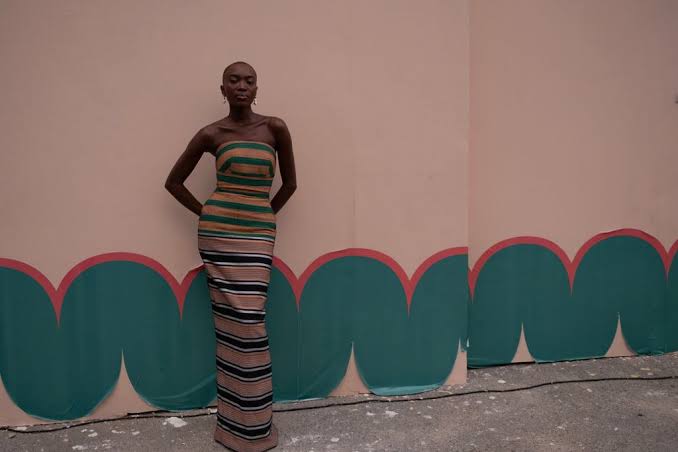
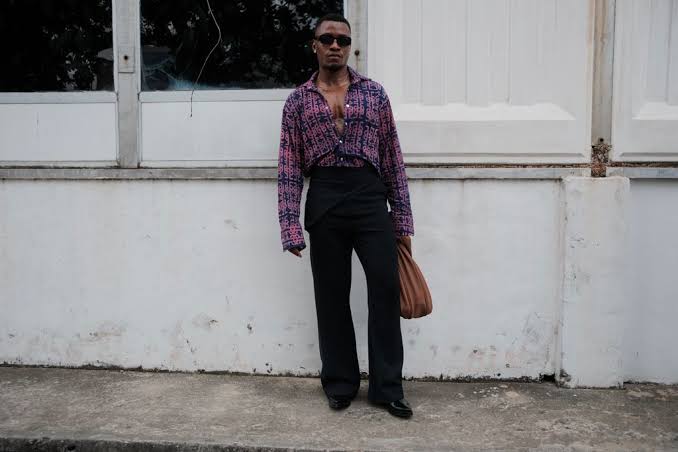
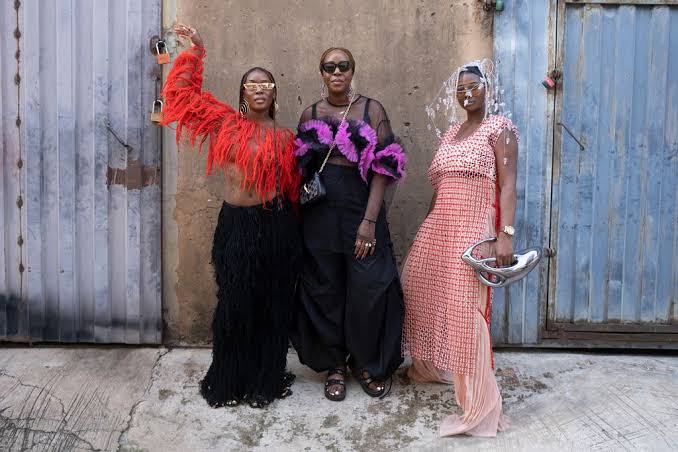

Explore the gallery: See more street-style moments from Lagos Fashion Week on Vogue.

Comments
No comments yet. Be the first to share your thoughts.