
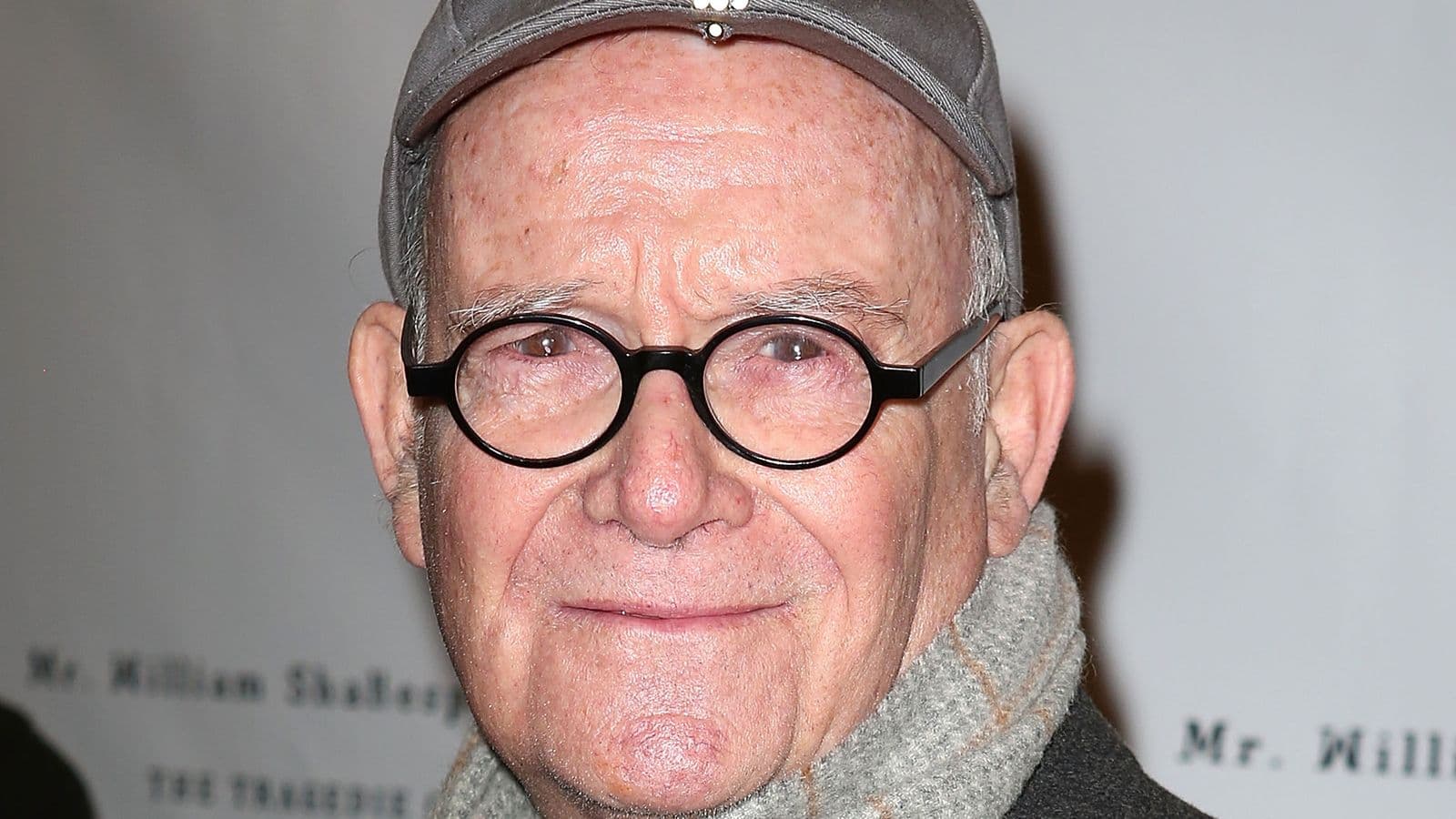
Buck Henry had an estimated net worth of $3 million at the time of his death in 2020. The American actor, screenwriter, director and comedian built his career across film, television and theater over several decades.
Henry was best known for co-creating the hit television comedy series Get Smart with Mel Brooks and co-writing the screenplay for Mike Nichols’ acclaimed 1967 film The Graduate. He also wrote Catch-22 and The Day of the Dolphin and co-directed the 1978 comedy Heaven Can Wait with Warren Beatty.
As an actor, Henry appeared in numerous films and television programs, including Taking Off, The Man Who Fell to Earth, Gloria, Eating Raoul, The Player, Short Cuts and Defending Your Life.
His long career in entertainment provided him with income from screenwriting, directing, acting, television production and stage performances.
| Buck Henry Net Worth | $3 Million |
| Date of Birth | December 9, 1930 |
| Place of Birth | New York City |
Table of Contents
ToggleEarly Life
Buck Henry was born Henry Zuckerman on December 9, 1930, in New York City.
His mother was Ruth Taylor, an actress who appeared in films during the silent and early sound eras. His father, Paul Zuckerman, was an Air Force brigadier general.
Henry attended the Choate School, an all-boys preparatory school in Wallingford, Connecticut.
He later attended Dartmouth College in New Hampshire, where he studied English literature and wrote for the Dartmouth Jack-O-Lantern humor magazine.
Henry graduated from Dartmouth with a bachelor’s degree in English literature.
Military Service and Early Career
After college, Henry enlisted in the U.S. Army.
He served in West Germany as a helicopter mechanic before transferring to Special Services. During that period, he became involved in theater and toured with a play that he had written and directed.
After leaving the military, Henry returned to New York and joined the improv comedy group the Premise. He performed in Manhattan’s West Village while developing his skills as a writer and comedian.
His early experience in comedy and theater eventually opened the door to television and film.
Film Career
Henry received one of his earliest major film credits with the 1964 comedy The Troublemaker, which he co-wrote and appeared in.
His major breakthrough came three years later when he co-wrote The Graduate, directed by Mike Nichols.
Released in 1967, The Graduate became one of the biggest films of the year and earned Henry an Academy Award nomination for Best Adapted Screenplay. Henry also had a small role in the film, appearing as a hotel desk clerk.
In 1968, he received his first solo screenwriting credit for the comedy Candy. He also appeared in the war comedy The Secret War of Harry Frigg.
Henry reunited with Mike Nichols for Catch-22, the 1970 film adaptation of Joseph Heller’s novel. Henry wrote the screenplay and also appeared in the movie.
That same year, he adapted the romantic comedy The Owl and the Pussycat from Bill Manhoff’s stage play.
Acting and Screenwriting Success
In 1971, Henry had a leading role in Taking Off, directed by Miloš Forman. He also appeared in the mockumentary Is There Sex After Death?
He followed that work by co-writing Peter Bogdanovich’s 1972 comedy What’s Up, Doc?
Henry again worked with Mike Nichols on The Day of the Dolphin, released in 1973.
After taking a break from film, he returned in 1976 with a supporting role in Nicolas Roeg’s science-fiction drama The Man Who Fell to Earth, which starred David Bowie.
Henry also appeared alongside Steve Martin in the short comedy film The Absent-Minded Waiter in 1977.
Heaven Can Wait
One of the most significant films in Henry’s career came in 1978 with Heaven Can Wait.
The sports fantasy comedy starred Warren Beatty, who also co-directed the film with Henry. Henry appeared in the movie as an angel.
The film was a commercial and critical success and received multiple Academy Award nominations. Henry and Beatty shared a nomination for Best Director.
Henry continued working in film throughout the 1980s, appearing in projects such as Old Boyfriends, Gloria, Strong Medicine, Eating Raoul, Aria and Rude Awakening.
He also wrote the screenplay for the comedy Protocol, starring Goldie Hawn.
Later Film Career
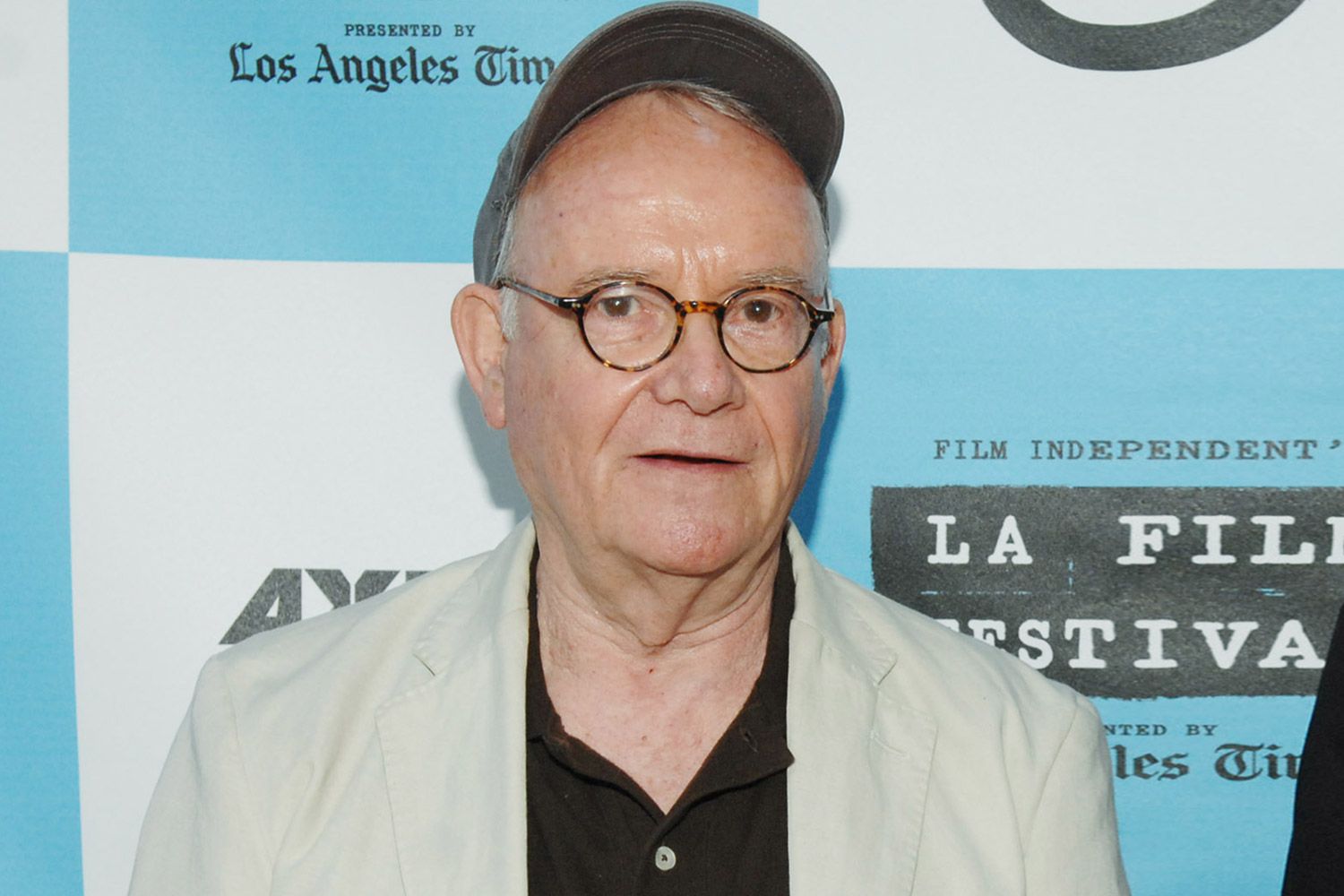
During the 1990s, Henry became a familiar supporting actor in Hollywood films.
He appeared in Tune in Tomorrow, Defending Your Life, The Linguini Incident, Even Cowgirls Get the Blues and Grumpy Old Men.
He also worked with director Robert Altman, appearing in The Player and Short Cuts.
Henry returned to screenwriting with the 1995 black comedy To Die For, directed by Gus Van Sant.
His later acting credits included The Real Blonde, I’m Losing You, Curtain Call and Breakfast of Champions.
In 2001, Henry co-wrote and appeared in the romantic comedy Town & Country. The movie became a major commercial failure despite its high-profile cast.
He later appeared in The Last Shot in 2004 and A Bird of the Air in 2011.
His final major film writing credit came with Barry Levinson’s 2014 drama The Humbling.
Television Career
Television played a major role in Henry’s career.
He began working in television during the early 1960s, appearing regularly on The New Steve Allen Show. He later became a writer and recurring performer on the American version of the British satirical program That Was the Week That Was.
Henry’s biggest television breakthrough came in 1965 when he co-created Get Smart with Mel Brooks.
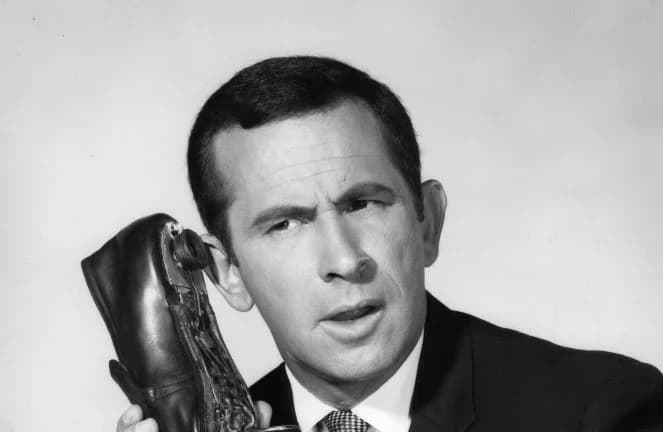
The secret-agent comedy starred Don Adams as Maxwell Smart and became a major television success. The series ran for five seasons through 1970 and earned Henry an Emmy Award.
Henry also created the NBC sitcom Captain Nice in 1967. The series lasted one season.
Saturday Night Live
Henry became particularly well known to television audiences through Saturday Night Live.
He hosted the NBC sketch comedy show 10 times between 1976 and 1980, becoming one of its most frequent early hosts.
His appearances helped establish him as an important figure in American television comedy.
Henry also created the science-fiction sitcom Quark in the late 1970s.
During the 1980s, he appeared on The New Show, created by Lorne Michaels, and had guest roles on programs including Alfred Hitchcock Presents, Falcon Crest and Murphy Brown.
His later television appearances included Will & Grace, 30 Rock, Hot in Cleveland, Law & Order: Special Victims Unit and Franklin & Bash.
Stage Career
Henry also had a connection to theater throughout his life.
He made his Broadway debut when he was only 15, appearing in Life with Father.
Decades later, he returned to Broadway in the 2002 revival of Morning’s at Seven.
His later stage work included the 2009 off-Broadway production of Mother.
Personal Life
Buck Henry was married twice.
His wives were Sally Zuckerman and Irene Ramp.
Although he maintained a long career in the public eye, Henry generally kept his personal life away from the spotlight and remained best known for his work in comedy and entertainment.
Death
Buck Henry died on January 8, 2020, at Cedars-Sinai Medical Center in Los Angeles, California.
He died from a heart attack at the age of 89.
By the time of his death, Henry had spent more than six decades working across film, television and theater.
Comments
No comments yet. Be the first to share your thoughts.