
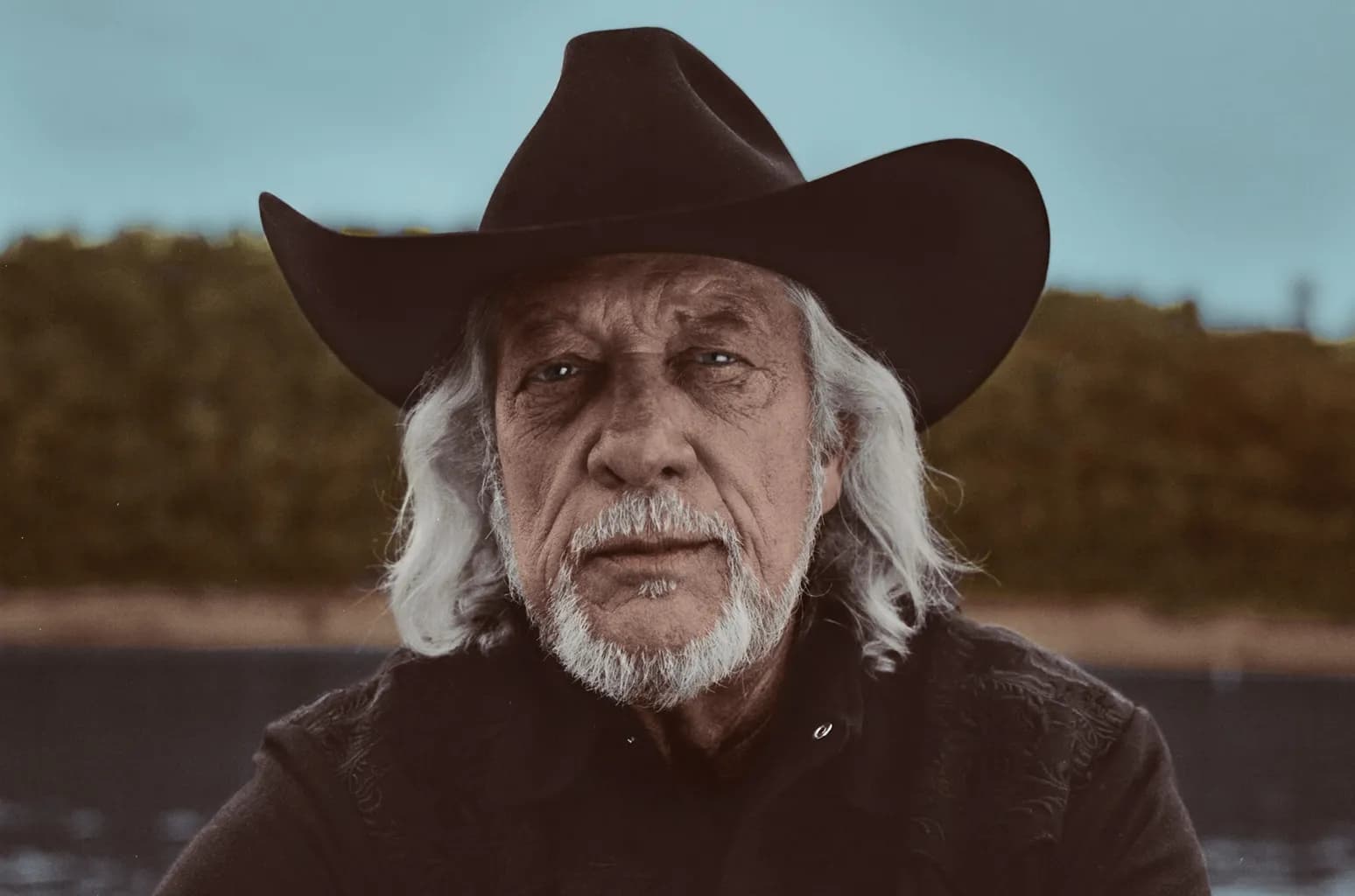
John Anderson was an American country music singer and songwriter with an estimated net worth of $7 million at the time of his death, according to the supplied source. He was best known for hit songs such as “Swingin’,” “Wild and Blue,” “Black Sheep,” “Straight Tequila Night,” “Money in the Bank,” and “Seminole Wind.” His distinctive voice and traditional country sound helped him become one of the genre’s most recognisable performers.
Anderson enjoyed major commercial success in the 1980s before returning to the top of the country charts in the early 1990s. His career spanned nearly five decades, during which he released 22 studio albums and placed more than 40 singles on the Billboard country charts. He earned 20 Top 10 hits, including five number-one singles. His earnings came from record sales, touring, songwriting royalties, and other music-related activities.
Anderson was inducted into the Nashville Songwriters Hall of Fame in 2014 and the Country Music Hall of Fame in 2024. He continued recording and performing despite serious health challenges. His later work included the critically acclaimed album Years, released in 2020. He died on October 21, 2026, at the age of 71.
| John Anderson Net Worth | $7 Million |
| Date of Birth | December 13, 1954 |
| Place of Birth | Orlando area of Florida |
Table of Contents
ToggleEarly Life
John David Anderson was born on December 13, 1954, in the Orlando area of Florida. He grew up in nearby Apopka, where the surrounding countryside influenced his early interests and appreciation for the outdoors.
He was one of six children and developed an interest in music while still young. He learned to play the guitar and began singing with local bands. His early musical influences included rock and roll, but his direction changed after discovering the recordings of Merle Haggard and George Jones.
Their traditional country sound and emotional singing styles left a lasting impression on him. Anderson eventually decided to pursue a career in country music.
After high school, he moved to Nashville in the early 1970s and stayed with his older sister, Donna, who was also involved in music. He performed in local clubs while taking other jobs to support himself. One of his early jobs involved roofing the Grand Ole Opry House during its construction.
At night, he played in Nashville honky-tonks and worked to attract the attention of music publishers and record executives. Music publisher Al Gallico later helped him establish important industry connections.
By the latter half of the 1970s, Anderson had signed with Warner Bros. Records. The agreement marked the beginning of his rise in country music.
Early Career and First Hits
Anderson began releasing singles in the late 1970s. One of his early recordings was “I’ve Got a Feelin’ (Somebody’s Been Stealin’).” His self-titled debut album followed in 1980, introducing his distinctive voice to a wider audience.
The album featured songs such as “Your Lying Blue Eyes” and “1959.” Although he was still building his reputation, his performances attracted attention from established country artists.
Merle Haggard invited Anderson to open several concerts in 1980. Willie Nelson and George Jones also took him on tour, giving him opportunities to perform before larger audiences.
His second album, John Anderson 2, arrived in 1981. It included “Chicken Truck” and “I’m Just an Old Chunk of Coal (But I’m Gonna Be a Diamond Someday).” The latter song, written by Billy Joe Shaver, earned Anderson a Grammy nomination for Best Male Country Vocal Performance.
He followed the release with I Just Came Home to Count the Memories in 1981. These early recordings helped establish him as an important voice in the traditional-country revival.
The Success of “Swingin’”
Anderson’s career reached a new level with the release of Wild & Blue in 1982. The album’s title track became his first number-one country single.
His biggest breakthrough came with “Swingin’,” which he co-wrote with Lionel Delmore. The song combined playful storytelling with an infectious rhythm and Anderson’s unusual vocal delivery.
“Swingin’” reached number one on Billboard’s country chart in 1983. It also crossed over to the pop charts, peaking at number 43 on the Billboard Hot 100. The single sold more than one million copies, becoming one of the major commercial successes of Anderson’s career.
The song also earned significant industry recognition. At the 1983 Country Music Association Awards, Anderson received the Horizon Award, while “Swingin’” won Single of the Year. The Wild & Blue album reached number three on the country albums chart and was eventually certified gold.
Anderson scored another number-one country hit in 1983 with “Black Sheep,” from the album All the People Are Talkin’.
He followed these successes with albums including Eye of a Hurricane in 1984, Tokyo, Oklahoma in 1985, and Countrified in 1986. Although he maintained a loyal audience, none matched the commercial impact of “Swingin’.” He eventually left Warner Bros. Records following disagreements over the label’s support and artistic direction.
Career Challenges and the “Seminole Wind” Comeback
Anderson experienced a difficult period in the late 1980s. Albums released through MCA and Capitol, including Blue Skies Again, 10, and Too Tough to Tame, received limited radio attention.
His fortunes changed after he signed with BNA Records and began working with producer James Stroud. Their collaboration produced Seminole Wind, released in 1992.
The album became the biggest-selling record of Anderson’s career. It generated the number-one hit “Straight Tequila Night,” the Top 5 single “When It Comes to You,” and the title track, which reached number two on Billboard’s country chart. “Let Go of the Stone” also reached the Top 10.
Anderson wrote “Seminole Wind” himself. The song drew on his Florida upbringing and concerns about the destruction of the Everglades. Its environmental themes and references to the Seminole people distinguished it from many songs receiving country radio airplay at the time.
The album was certified double platinum in the United States, representing two million units under the applicable certification standard. Its success restored Anderson’s commercial momentum and introduced his music to another generation of country fans.
The comeback continued with Solid Ground in 1993. The album was certified gold and produced “Money in the Bank,” Anderson’s fifth and final number-one country single. Another track, “I Wish I Could Have Been There,” also became a hit.
Songs such as “I’ve Got It Made” and “Bend It Until It Breaks” helped sustain his presence on country radio through the middle of the 1990s.
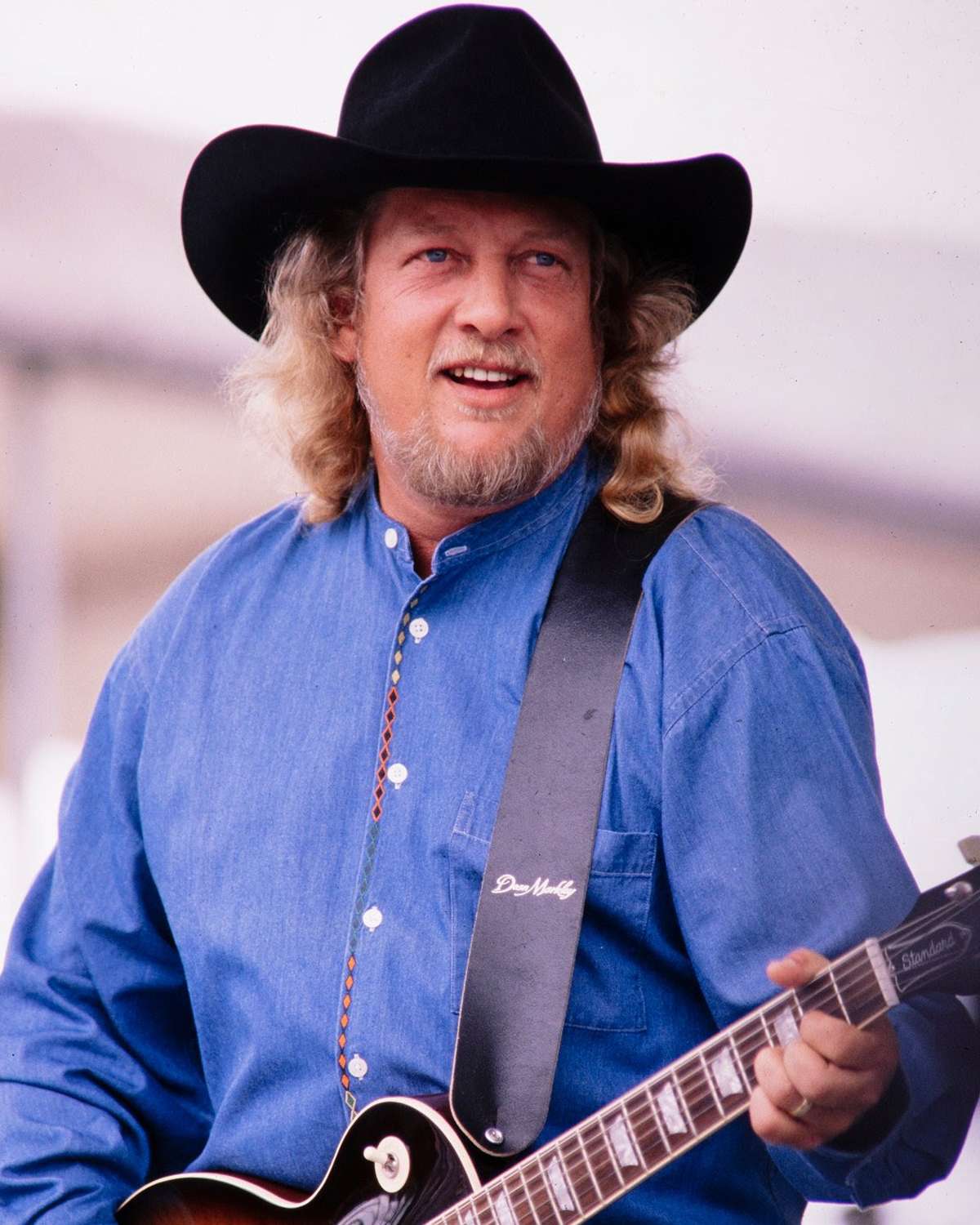
Songwriting Royalties and Music Publishing
Songwriting played an important role in Anderson’s financial career. Unlike performers who rely mainly on recording and touring income, songwriters can earn royalties when their compositions are used in recordings, broadcasts, performances, and other licensed settings.
Anderson co-wrote “Swingin’,” one of his most successful songs, with Lionel Delmore. Its strong sales and continued popularity helped make it a significant part of his musical legacy.
He also wrote “Seminole Wind,” a song that became one of his signature compositions. Other songwriting credits included “Chicken Truck,” “I Wish I Could Have Been There,” “Country ‘Til I Die,” and “Bend It Until It Breaks.”
His songs attracted performers from outside his original audience. James Taylor recorded “Seminole Wind” for his 2008 album Covers, while LeAnn Rimes recorded “Swingin’” in 2010. John Rich also co-wrote “Shuttin’ Detroit Down” with Anderson, and the song became a country hit in 2009.
These recordings helped extend the life of Anderson’s catalogue. However, the precise value of his publishing interests and the royalties paid to his estate have not been publicly established.
Later Albums and Collaborations
Anderson continued recording after his commercial peak. His later releases included Takin’ the Country Back in 1997, Nobody’s Got It All in 2001, Easy Money in 2007, and Bigger Hands in 2009.
Easy Money was produced by John Rich of Big & Rich, reflecting the respect Anderson commanded among younger musicians. In 2015, he released Goldmine through his Bayou Boys Music imprint.
One of his most notable later collaborations involved Dan Auerbach of the Black Keys. Auerbach and producer David Ferguson worked with Anderson on Years, which was released in April 2020.
The album contained ten newly written songs, including “Tuesday I’ll Be Gone,” a duet with Blake Shelton. Its reflective tone connected with listeners who had followed Anderson’s career and his recovery from serious illness.
In 2022, Auerbach and Ferguson produced Something Borrowed, Something New: A Tribute to John Anderson. The collection featured contemporary artists interpreting songs from Anderson’s catalogue. Luke Combs recorded “Seminole Wind,” while Ashley McBryde covered “Straight Tequila Night.” Eric Church, Tyler Childers, Sturgill Simpson, Brothers Osborne, and John Prine were also among the artists associated with the tribute project.
The album demonstrated Anderson’s continuing influence on country music and introduced his work to listeners who had not followed his original chart run.
Health Problems and Recovery
Anderson experienced a serious health crisis in 2017 and 2018. He later described spending extended periods in hospital and losing almost all his hearing for several months.
The hearing loss threatened his ability to continue singing and recording. He also experienced other medical difficulties, including heart-related problems, although he did not publicly provide a definitive explanation for all the health issues he faced.
As his hearing gradually returned, Anderson resumed writing music. Sessions with Auerbach and Ferguson in 2018 were initially intended to focus on songwriting. They eventually developed into the album Years.
Anderson described the creative process as an important part of his recovery. It helped him regain confidence in his ability to record and perform.
Blake Shelton also invited him to appear as a special guest on portions of his 2019 tour. Anderson continued performing smaller acoustic shows in later years and indicated in a 2024 interview that he did not intend to retire while he could still sing.
Country Music Hall of Fame Recognition
Anderson entered the Nashville Songwriters Hall of Fame in 2014. The honour recognised his contributions as a songwriter and the lasting appeal of compositions such as “Swingin’” and “Seminole Wind.”
In 2024, he was inducted into the Country Music Hall of Fame alongside Toby Keith and guitarist James Burton.
The recognition reflected his influence on traditional and neotraditional country music. Anderson had built his career around a sound influenced by earlier country legends, but his distinctive voice and songwriting helped establish an identity of his own.
His work also influenced younger performers, many of whom later recorded his songs or cited his music as an inspiration.
Personal Life
Anderson married his wife, Jamie, in 1983. They had two daughters, Alexa and Brionna, and later became grandparents.
For many years, the family lived in Smithville, Tennessee. The location offered a quieter lifestyle away from the daily activity of Nashville’s music industry.
Anderson maintained a relatively private family life. He enjoyed fishing and spending time outdoors, interests that reflected his upbringing in central Florida. His appreciation for the natural environment also found expression in songs such as “Seminole Wind.”
John Anderson’s Death
John Anderson died peacefully in his sleep on October 21, 2026, at his home in Smithville, Tennessee, according to the supplied source. He was 71.
His family described him as a beloved husband, father, grandfather, and friend. No cause of death was publicly disclosed, and no confirmed connection was established between his death and the health problems he experienced earlier in his life.
His reported death prompted tributes from fellow country music artists, including Tim McGraw, Reba McEntire, and Blake Shelton. They praised his distinctive voice and his contribution to country music.
Anderson’s legacy rests on his five number-one country singles, his songwriting, and a catalogue that continued to attract new listeners decades after its original release.


Comments
No comments yet. Be the first to share your thoughts.