
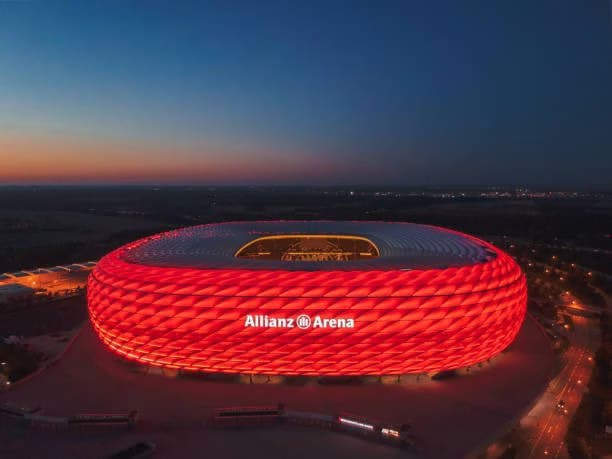
Europe is home to some of the world’s most impressive stadiums, combining massive scale with innovative design and engineering. These structures are more than sports venues—they are architectural landmarks that demonstrate cutting-edge construction techniques, complex project management, and significant investment.
In this article, we explore the 10 largest stadiums in Europe, focusing on their construction histories, renovation projects, costs, and engineering highlights. Whether you are in construction, architecture, or civil engineering, this guide offers an in-depth look at how Europe builds and maintains its grandest sporting arenas.
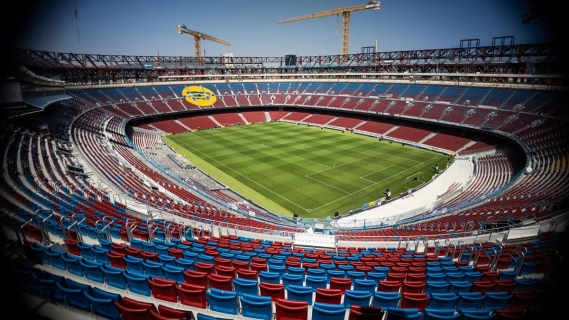
1. Camp Nou – Barcelona, Spain (Capacity: 99,354, Expected 105,000 by 2025)
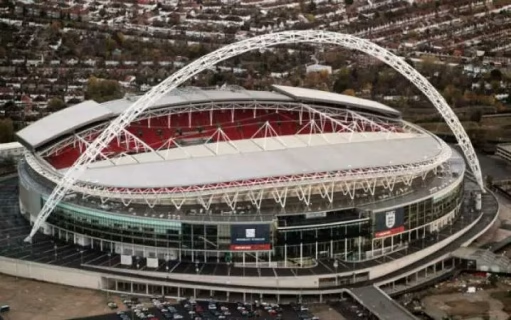
2. Wembley Stadium – London, England (Capacity: 90,000)
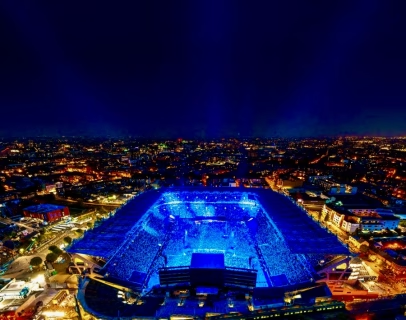
3. Croke Park – Dublin, Ireland (Capacity: 82,300)
4. Signal Iduna Park – Dortmund, Germany (Capacity: 81,365)
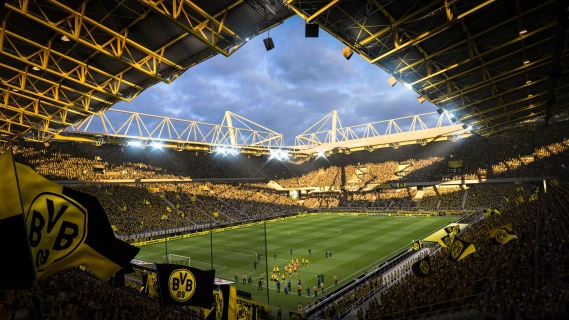
5. Estadio Santiago Bernabéu – Madrid, Spain (Capacity: 81,044)

6. Luzhniki Stadium – Moscow, Russia (Capacity: 81,000)
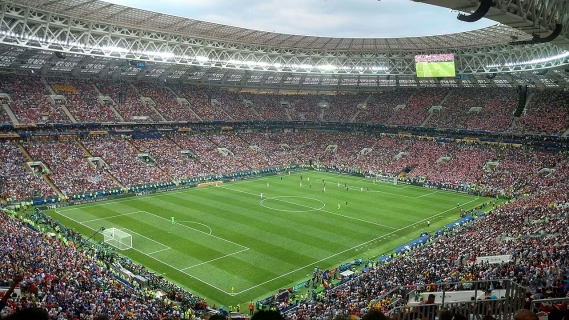
7. Stade de France – Saint-Denis, France (Capacity: 80,698)

8. San Siro – Milan, Italy (Capacity: 75,725)
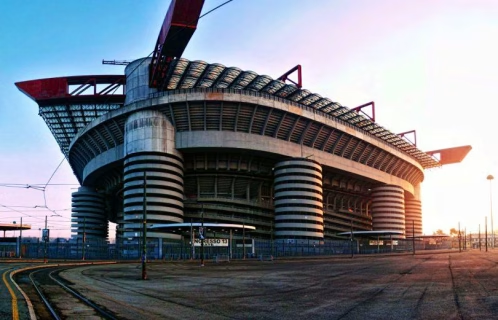
9. Allianz Arena – Munich, Germany (Capacity: 75,024)
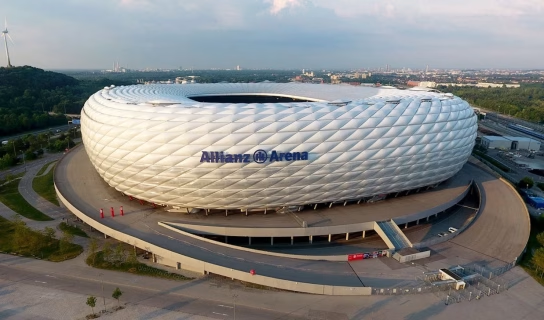
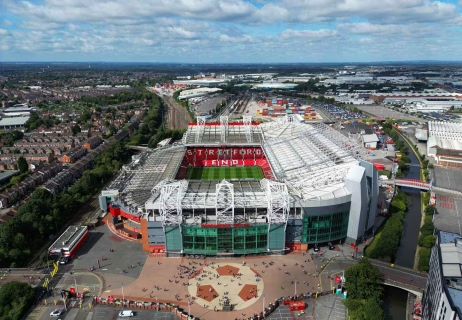
10. Old Trafford – Manchester, England (Capacity: 74,879)
Arsenal’s Emirates Stadium – London, England (Planned Expansion)
Arsenal is planning a major upgrade to the Emirates Stadium in North London. Although the club has not revealed the exact final capacity, early reports suggest that the expansion could push the figure beyond 70,000 seats. The project aims to modernise fan facilities, increase seating, and strengthen the club’s commercial performance.


Comments
No comments yet. Be the first to share your thoughts.