One thing you learn working in health insurance is that a medical crisis rarely begins when a patient walks into a hospital. In many cases, the warning signs have been there for days, weeks or years. They show up in routine check-ups, in conditions that go undiagnosed and in illnesses that are not properly managed until they become serious. By the time the bill arrives, the options are often more complicated and expensive.
Kenya needs to consider this as healthcare costs continue to rise. Figures from the Insurance Regulatory Authority (IRA) show that medical claims increased from Sh26.69 billion in 2021 to Sh52.61 billion in 2025. Medical insurance now accounts for 41 per cent of the general insurance market. The pressure is unlikely to ease soon. Aon’s 2026 Global Medical Trend Rates Report projects a 13.5 per cent increase in Kenya’s medical costs this year, against a global average of 9.8 per cent and general inflation of 4.9 per cent.
Employers are already facing higher bills. Published company reports show that NCBA’s staff medical expenses rose from Sh632.36 million to Sh727.76 million in the latest reporting period. The Co-operative Bank’s expenses also increased, from Sh849.92 million to Sh962.12 million. These are substantial sums. Behind them are decisions that many businesses would rather not have to make: whether to increase the medical benefits budget, ask employees to contribute more or reconsider the cover available to staff.
Insurers – face the same reality. According to the IRA, medical claims accounted for 51.2 per cent of all claims paid by general insurers in 2025. Medical premiums rose by/to 22.3 per cent. We cannot ignore these numbers. But I think we also need to ask what they tell us about the way we manage healthcare. If the bills keep growing, are we doing enough to stop people from becoming seriously ill?
Take hypertension. Kenya’s 2015 STEPS survey found that 28.6 per cent of adults aged 18 to 69 had raised blood pressure. Yet the 2014 Kenya Demographic and Health Survey found that only 9.4 per cent of women and 3 per cent of men aged 15 to 49 said a health worker had told them they had hypertension. The surveys cover different age groups and measure different things, so the figures are not directly comparable. Still, they point to a problem with detecting and managing a condition that people can live with for years without obvious symptoms.
Diabetes presents a similar concern. An analysis of the 2015 STEPS data published in Value in Health found that 53.4 per cent of diabetes cases in Kenya were undiagnosed. What happens when these conditions go unnoticed? A person who could have benefited from screening and early treatment may eventually need hospital care for complications. The cost is not just financial. It can affect a family’s income, a person’s ability to work and their quality of life.
This is why I believe we need to look at healthcare spending differently. Claims tell us what we have paid for. They do not necessarily tell us whether we could have prevented the illness in the first place. Employers and insurers should pay closer attention to what happens before a claim. Are employees going for screening? Are people with chronic conditions receiving follow-up care? Are they taking prescribed medication and keeping their conditions under control?
These questions deserve a place in the annual review of every corporate medical scheme, alongside the claims ratio. Without that information, it is difficult to know whether a scheme is simply paying for treatment or helping members stay healthy.
The same thinking should apply to executive health programmes. The STEPS survey found that raised blood pressure increased from 17.7 per cent among adults aged 18 to 29 to 58.3 per cent among those aged 60 to 69. Regular screening becomes increasingly important as people grow older.
For senior leaders, an unexpected health problem can also disrupt business operations and decision-making. But preventive care should not stop with executives. Employees at every level need access to appropriate screening and follow-up services.
Another issue employers need to address: how private medical insurance works alongside Kenya’s public health financing arrangements. Maintaining private medical cover alongside statutory contributions can be costly, but simply dropping one arrangement is not necessarily the answer. Employers need a clear understanding of what each covers, where the gaps are and how employees can access care without unnecessary duplication.
Having worked in this industry, I believe we need to spend more time asking what can be done earlier. Hospitals will always be necessary, and there will always be emergencies. But treating illness after it becomes serious cannot be our only approach. We should be just as interested in the conditions we prevent as we are in the claims we pay. For employers and insurers, the question I would put on the table is straightforward: What are we doing today to prevent tomorrow’s claim?
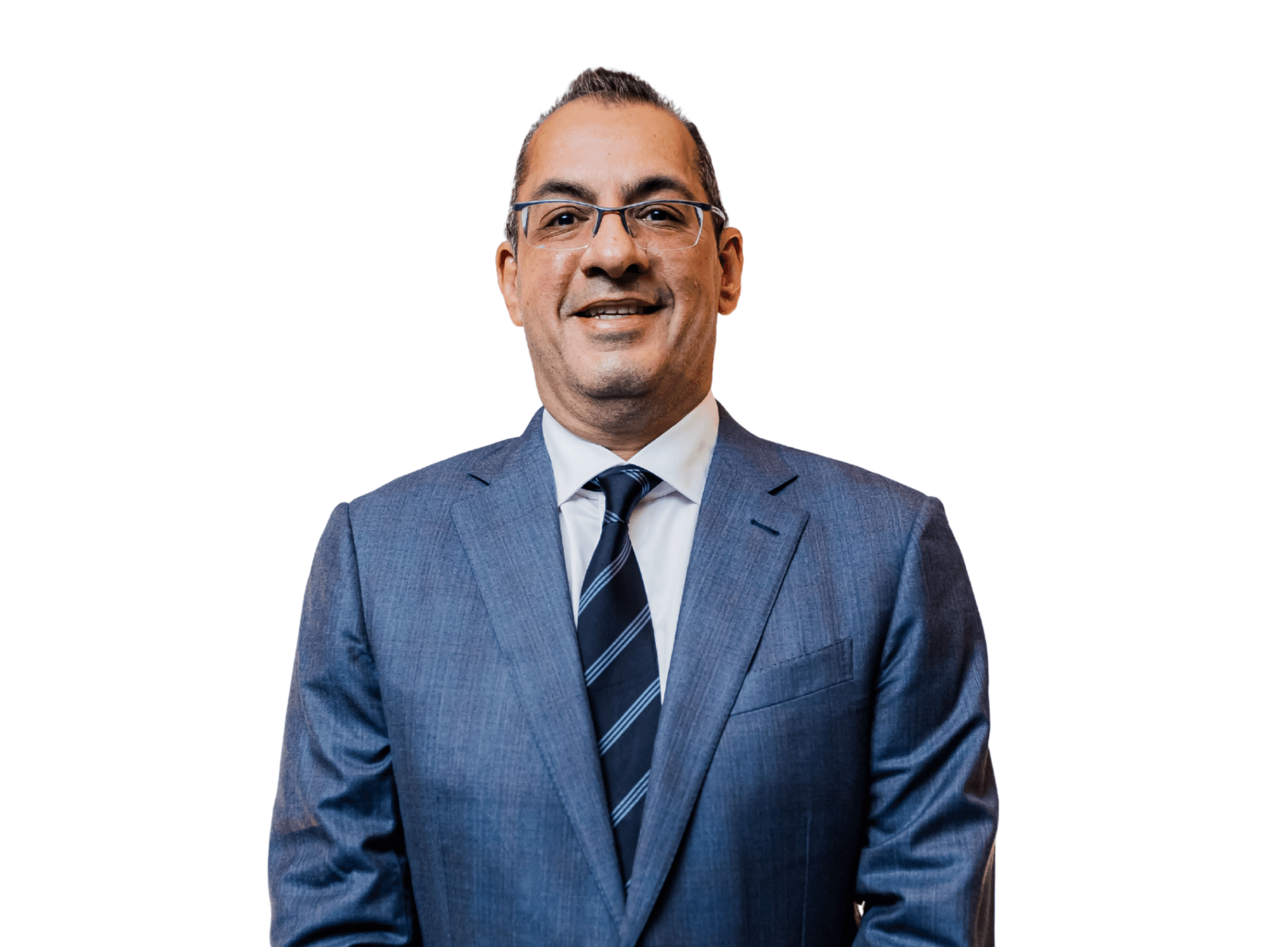
Article by Aly S. Maherali, CEO, Executive Healthcare Solutions (EHS)
Disclaimer: The opinions expressed in this article do not represent the position of Kenya Broadcasting Corporation.

Comments
No comments yet. Be the first to share your thoughts.