
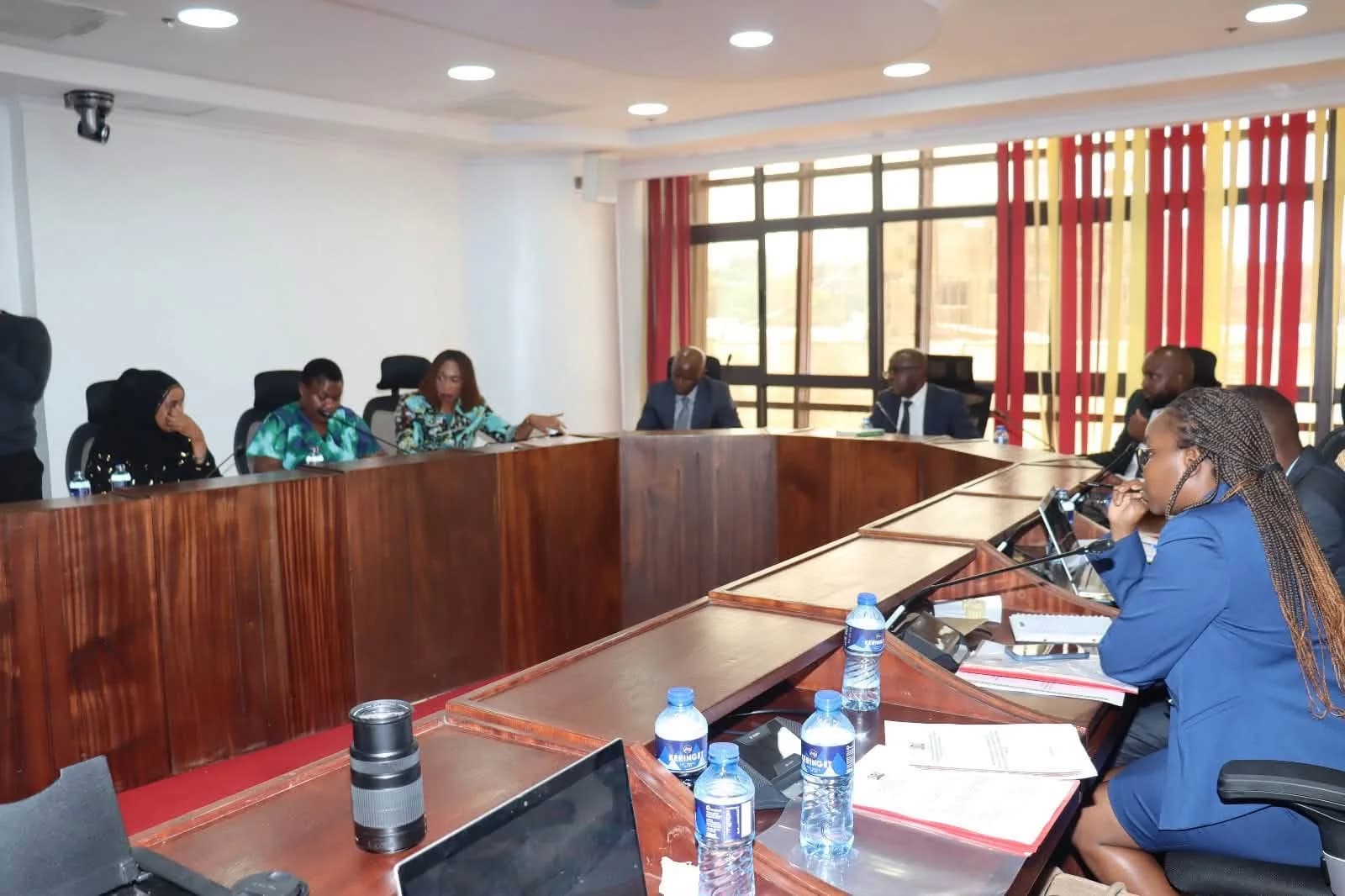
MPs fault foreign missions over poor support for Kenyans in Gulf

MPs questioned whether the existing support systems were effective, arguing that presentations made in boardrooms did not reflect the difficult conditions migrant workers experience on the ground.
Members of Parliament (MPs) have raised concerns over the failure of Kenya’s foreign missions to adequately protect migrant workers facing abuse and emergencies in Gulf countries, citing a lack of safe houses, poor emergency response and cases of Kenyans buried abroad without family consent.
The Departmental Committee on Labour has demanded better consular services for Kenyans working overseas, questioning why citizens facing difficult situations abroad continue to struggle to access assistance from their own government.
The concerns were raised during a meeting with the State Department for Labour and Skills Development, led by Principal Secretary (PS) Shadrack Mwadime, who appeared before the Committee to respond to issues surrounding the consideration of the International Convention on the Protection of the Rights of All Migrant Workers and Members of Their Families.
The convention provides safeguards against abuse, discrimination, forced labour, wage disparities and contract substitution.
Mwadime told the legislators that ratifying the agreement would strengthen the protection of Kenyans working in foreign countries.
However, MPs questioned whether the existing support systems were effective, arguing that presentations made in boardrooms did not reflect the difficult conditions migrant workers experience on the ground.
Latest Stories
- 21 drivers arrested on Kakamega-Mumias Road over drunk driving, expired licences
- Adam Hamilton becomes first Kansas Democrat elected to US Senate since 1932, in major blow to Trump
- Keisha Lance Bottoms becomes first US Black woman governor
- Ethiopian national Abraham Lemma admits spying for his government, sharing US secrets
Tana River MP Amina Dika, who said she had lived and worked in Dubai for 12 years, told the Committee that Kenyan consulates lacked safe houses where domestic workers escaping abusive situations could seek refuge.
She observed that distressed workers were often forced to seek shelter in private homes, while WhatsApp groups and community fundraisers were used to raise money for the repatriation of bodies of Kenyans who died abroad.
The Committee also raised concerns over cases of Kenyans being buried in foreign countries without their families’ consent.
Members further questioned reports of Kenyans allegedly being recruited into frontline combat in the Russia-Ukraine conflict through informal networks operating in Dubai.
They also pointed out that labour attachés in Riyadh lacked vehicles and access to detention facilities, limiting their ability to respond to cases involving Kenyans in distress.
Committee Chairperson Ken Chonga said MPs were overwhelmed by distress calls from constituents working abroad but had repeatedly struggled to secure help from the Ministry of Foreign and Diaspora Affairs.
“I have personally called Foreign Affairs for my own people in Kilifi, and I have not succeeded even a single time. Labour can put structures, but when a girl is locked in a house in the Gulf, it is Foreign Affairs that must act. That failure is what we must fix,” Chonga said
In response, Mwadime acknowledged the difficulties involved in handling cases of distressed migrant workers, explaining that Kenyans were sometimes buried abroad without their families’ consent because of communication breakdowns involving relatives, foreign mortuaries and diplomatic missions.
He said recovering bodies after burial was also complicated by foreign legal procedures, as exhumation requires court processes in the respective countries, which are handled by the Ministry of Foreign and Diaspora Affairs.
“We agree that burying a citizen without family consent is tragic. It happens when cases are not reported to our missions on time and mortuaries exceed holding timelines. But this Convention guarantees fundamental rights regardless of whether a worker used regular or irregular channels, and it protects Kenyans even where there is no Bilateral Labour Agreement,” Mwadime said.
The PS further disclosed that the proposed Kenya Migrant Workers Welfare Fund, contained in the new Labour Migration Bill, would provide resources for emergency interventions and the repatriation of migrant workers facing difficulties abroad.
He urged the Committee to support the National Assembly’s approval of the convention’s ratification, saying it would strengthen the protection of migrant workers and bring Kenya’s labour framework in line with national and international human rights commitments.
Mwadime also called for continued engagement with stakeholders to guide the implementation of the convention.



Comments
No comments yet. Be the first to share your thoughts.