
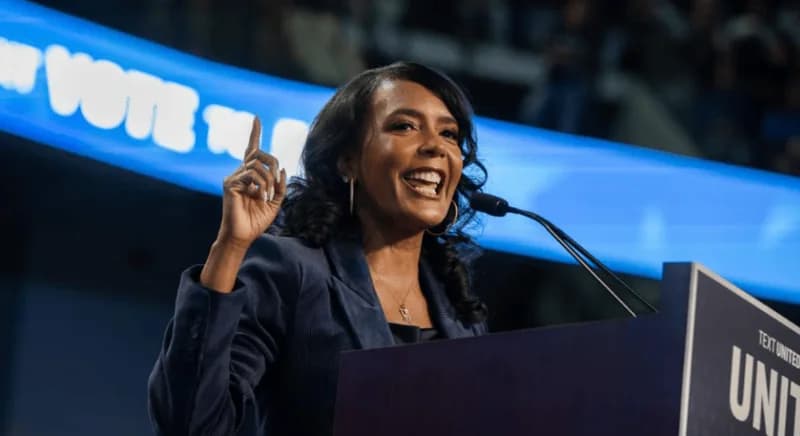
Keisha Lance Bottoms becomes first US Black woman governor

Bottoms is a descendant of enslaved Georgians, but she did not lean on the historic nature of her candidacy during the campaign, but did recount her family's history.
Democrat Keisha Lance Bottoms made history by capturing the governorship in the state of Georgia, becoming the first Black woman elected to the top office in any US state, according to Associated Press election projections.
A former Atlanta mayor, Bottoms defeated billionaire health care executive Republican Rick Jackson. The two were contesting the outgoing Republican Governor Brian Kemp, who was term-limited.
"What we do in this moment will echo through history," Bottoms said ahead of election day.
The win is consequential, as Kemp himself fended off two challenges from Stacey Abrams, a prominent voting rights advocate and Democratic fundraiser. Abrams opted against a third run for governor, paving the way for Bottoms' candidacy.
Bottoms is a descendant of enslaved Georgians, but she did not lean on the historic nature of her candidacy during the campaign, but did recount her family's history.
"I am at least a fifth-generation Georgian," she said. "I say 'at least' because we can only trace our family back five generations — to a plantation in Crawfordville."
Latest Stories
Bottoms said that her grandfather moved to Atlanta from rural Georgia and had to "walk through these back doors" of downtown buildings she would later enter through the front as mayor.
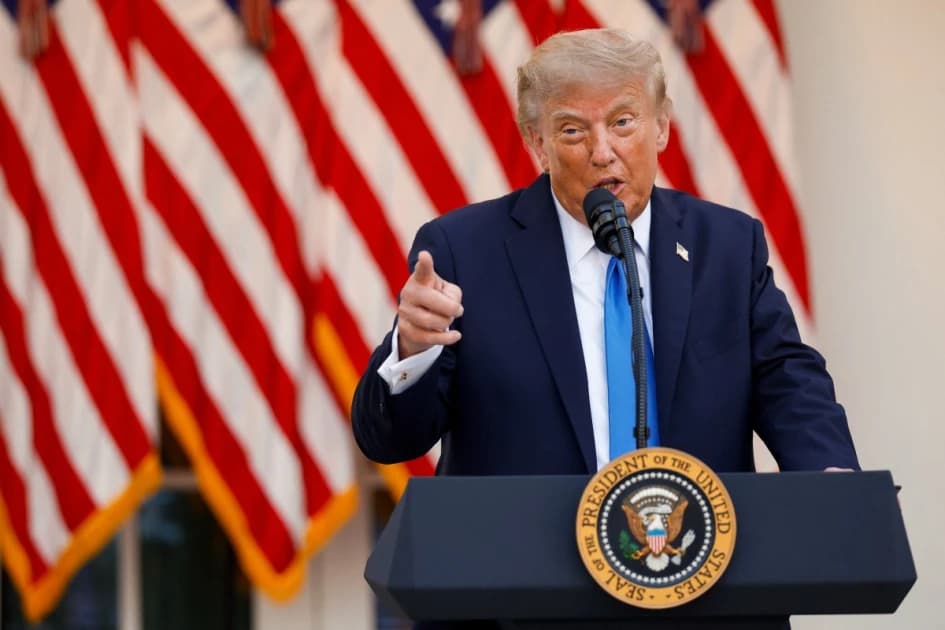
The Georgia governor's office had been held by Republicans for over two decades, and the result represents a major setback for President Donald Trump, who endorsed Jackson in July and campaigned with him in the Atlanta area in the closing weeks of the race.
Bottoms focused her campaign on promises to expand Medicaid health benefits for those of lower income, to lower costs for families and to protect voting rights.
Meanwhile, Jackson presented himself as a political outsider who had grown up in Georgia's foster care system. He spent more than $100 million (€88 million) of his own fortune on the gubernatorial campaign.
Comments
No comments yet. Be the first to share your thoughts.