
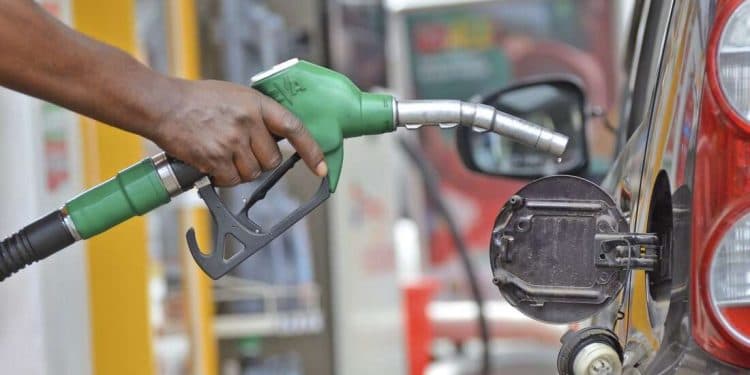
Oil prices ease to Sh13,769 per barrel amid US-Iran peace hopes, but fresh tensions threaten gains

Brent crude, the international oil benchmark, fell below $105 (Sh13,639) per barrel after plunging more than seven per cent on Monday, raising prospects of lower import costs for fuel-dependent economies such as Kenya.
Hopes of relief from high fuel costs faced fresh uncertainty on Tuesday as global oil prices swung between diplomatic optimism and renewed military tensions in the Middle East.
Brent crude, the international oil benchmark, fell below $105 (Sh13,639) per barrel after plunging more than seven per cent on Monday, raising prospects of lower import costs for fuel-dependent economies such as Kenya.
The decline followed signs of progress in negotiations between the United States and Iran, with Iranian President Masoud Pezeshkian saying his government had received greater authority from the country’s supreme leader to pursue peace negotiations.
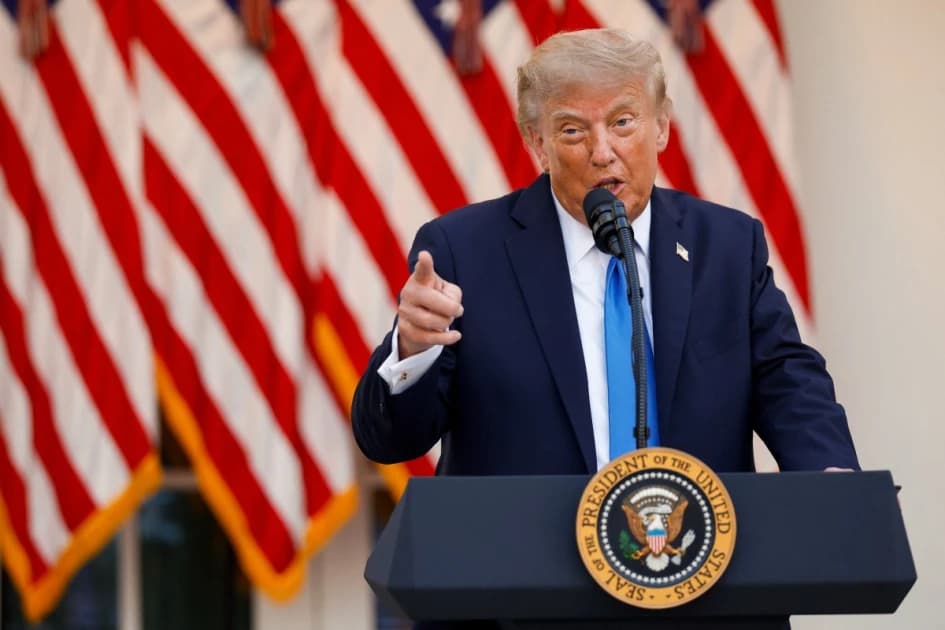
US President Donald Trump also indicated that progress had been made in the talks, while Iranian officials suggested a deal remained within reach following three days of Qatar-mediated discussions.
The diplomatic developments eased fears of further disruptions to global oil supplies, which had pushed Brent to four-year highs of around $113 (Sh14,678) per barrel amid concerns that Washington could resume military strikes against Iran.
However, the relief proved short-lived after reports of a US attack on Iran’s Qeshm Island sent Brent crude climbing above $106 (Sh13,769) per barrel later on Tuesday, recovering part of the previous session’s losses.
Latest Stories
- UK's King Charles III decries 'monstrous injustice' of slave trade
- Kenya Pipeline foils fuel theft attempt after discovering illegal connection in Mombasa
- Bomb threats disrupt flights across Europe as airlines divert planes and airports halt operations
- South Sudan wants to hold elections in December: Three major obstacles and some ways around them
The reported strike highlighted the fragility of the negotiations, with military operations continuing even as diplomatic efforts seek to end the conflict.
Iranian Foreign Ministry spokesperson Esmail Baghaei said “the ball is in the US court” regarding a potential agreement, while Trump claimed Tehran was eager to reach a settlement as soon as possible.
The developments come as the Trump administration faces mounting political pressure over rising energy costs ahead of the US midterm elections, with higher fuel prices emerging as a key concern for voters.
For Kenya, the volatile international benchmark presents risks to domestic fuel prices, transport costs and inflation, given the country’s dependence on imported petroleum products.
The elevated prices could continue to feed into Kenya's petroleum import bill, putting pressure on foreign exchange demand and exposing the shilling to additional external pressures.
Higher crude prices also raise the cost of transporting fuel and other imported goods, with the effects potentially filtering through to businesses and households.
For consumers, the impact extends beyond the pump, as higher fuel costs tend to raise transport fares, distribution expenses and the prices of goods and services.
This could complicate efforts to contain inflation, particularly if international oil prices remain elevated for an extended period.


Comments
No comments yet. Be the first to share your thoughts.