
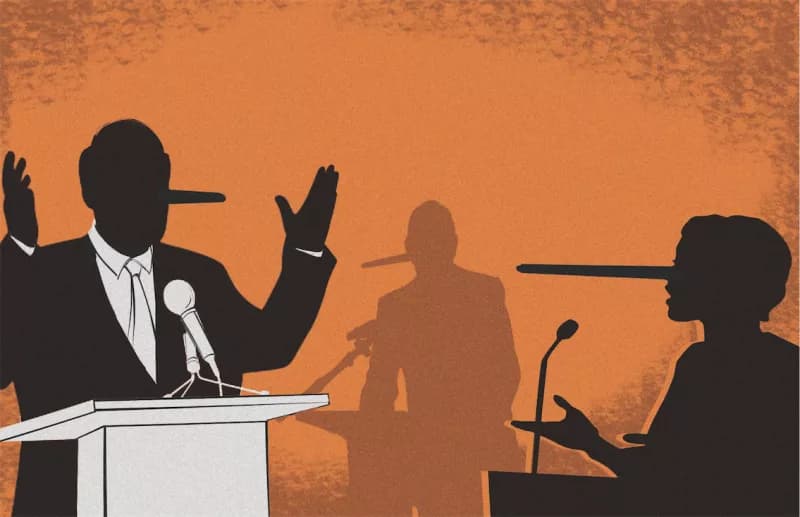
Kenyans struggle with healthcare costs, jobs, school fees and safety. A moral panic costs politicians little while solving none of these problems

The National Assembly Public Petitions Committee has reported on Nyali MP Mohamed Ali’s petition alleging the proliferation of LGBTQ+ Kenyans. The committee recommends stricter enforcement of Penal Code provisions criminalising same-sex conduct and calls for curricula to uphold constitutional marriage provisions. The public deserves evidence that these measures are necessary.
The petition challenges the Supreme Court’s 2023 decision in NGOs Co-ordination Board v EG & 5 others, claiming the court exceeded its mandate. The case concerned the refusal to register the National Gay and Lesbian Human Rights Commission because of “lesbian and gay” in its title and the presumed sexual orientation of its associates.
The court found the refusal violated Article 36, which protects freedom of association. The court did not strike down the Penal Code provisions or legalise same-sex marriages. It addressed whether the state could deny registration on that basis. Disagreement does not establish that the court exceeded its constitutional mandate.
The report must be considered against LGBTQ+ people’s documented experiences. In September 2025, the Kenya Human Rights Commission launched Lives on the Line, documenting more than 2,100 violations against sexual and gender minorities between October 2023 and September 2024, including 682 cases of harassment, 440 physical assaults and 102 evictions.
Sheila Lumumba, a non-binary lesbian murdered in Nyeri, and Edwin Chiloba, a gay fashion designer murdered in Uasin Gishu, show the human cost of treating LGBTQ+ Kenyans as a social problem rather than citizens entitled to safety and dignity. The question of protecting Kenyan families should include theirs, too.
The committee’s education recommendations require scrutiny. The Ministry of Education identified adolescent pregnancy, early sexual debut, HIV and sexually transmitted infections, early marriage and school dropout as concerns informing the Competency Based Curriculum.
Yet the committee reportedly found no approved curriculum containing the alleged LGBTQ+ content. What evidence connects that allegation to the ministry’s concerns? How would reaffirming Article 45(2), which addresses marriage, reduce pregnancy or school dropout? Children need age-appropriate education that protects their safety. Policy must address demonstrated challenges, not unsubstantiated claims.
Foreign-funding allegations require the same standard. International funding does not establish unlawful conduct or foreign control. Funding can be scrutinised under applicable law, but wrongdoing requires evidence. LGBTQ+ Kenyans did not come into existence through foreign-funded organisations. Their constitutional claims deserve legal assessment, not dismissal through insinuations of foreign influence.
As another election season approaches, scapegoating offers politicians a cheap distraction. In 2024, Nyali residents marched on their MP’s office amid Finance Bill protests, demanding accountability. Article 73 requires state officers to exercise public authority as a trust, while Article 10 demands dignity, inclusion, non-discrimination, transparency and accountability. Article 27 guarantees equal protection of the law.
Parliament should focus on residents’ concerns, including taxation, flooding, insecurity, waste management and youth unemployment.
The question is not whether Kenyans agree about sexuality or marriage. The question is whether Parliament can justify measures affecting constitutional rights with evidence, not manufactured fear. Kenya protects its children, families and constitutional values by applying the law fairly, demanding accountability and refusing to mistake public anxiety for proof.
Kibe leads transgender rights work at the Kenya Human Rights Commission; Masafu is a senior legal officer at the National Gay and Lesbian Human Rights Commission
Comments
No comments yet. Be the first to share your thoughts.