

Konza Technopolis is attracting universities and research institutions as the government seeks to establish the 5,000-acre development as a centre for technology, research and innovation.
The institutions operating or setting up at the site include Riara University, the Open University of Kenya, the Kenya Advanced Institute of Science and Technology (Kenya-AIST) and the African Centre for Technology Studies (ACTS).
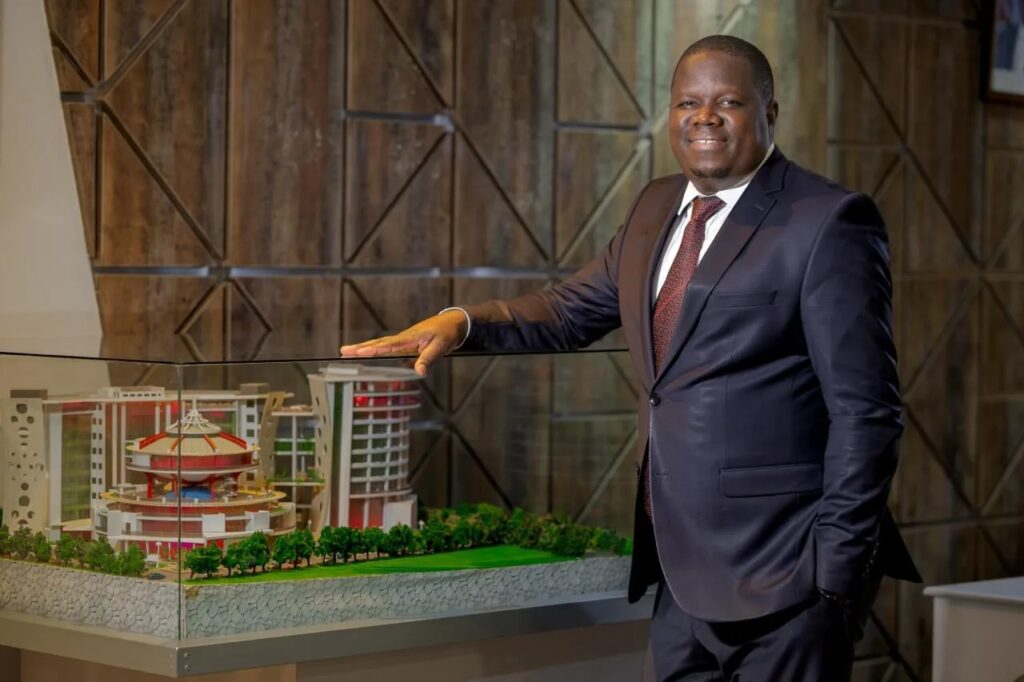
John Paul Okwiri, chief executive of the Technopolis Development Authority, said the government had invested in basic infrastructure and was now seeking more private investment to develop buildings and establish businesses within the city.
“The technopolis is ready for a plug-and-play environment for investors to come and just set up and operate,” Okwiri said.
The authority, formerly known as the Konza Technopolis Development Authority, is responsible for implementing the project, which is part of Kenya’s Vision 2030 development plan.
Okwiri said the Technopolis Act of 2026 had expanded the agency’s mandate to plan, develop and manage technopolises.
Kenya-AIST, a graduate research institution focused on science, technology, engineering and mathematics, has completed its facilities and is expected to begin admitting students soon, according to Okwiri.
The Open University of Kenya provides virtual and open learning, while Riara University has established a campus at Konza. ACTS is also setting up a centre of excellence at the site.
Josephine Ndambuki, chief manager for business development and innovation at Konza, said the development was also attracting research organisations and manufacturers.
She said the infrastructure includes smart roads, traffic-lighting systems and automated waste-management technologies.
Konza is also running the Next Gen Explorers programme, which takes learners from Grade Four to technical and vocational education and training institutions to learn about emerging technologies at the site.
Okwiri said the long-term plan was to develop a city capable of supporting businesses and investors around the clock.
“We are building Africa’s Silicon Savannah, so it means that we have to operate 24-7 in order to facilitate our investors, in order to ensure that the development of the technopolis continues until when we’ll be able to reach full build-out,” he said.



Comments
No comments yet. Be the first to share your thoughts.