
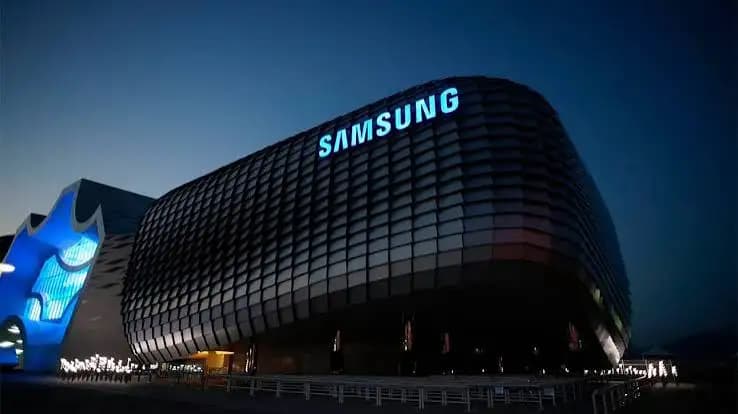
Inspire the world and create the future, For Samsung, this vision has shaped the company for decades. The Samsung story began in 1938, with Samsung Electronics being established in 1967. From its early days in electronics, the company has grown into a global technology business spanning smartphones, TVs, home appliances, displays, semiconductors, wearables and artificial intelligence.
But Samsung’s story is not only about how long it has been around. It is about what the company has done with that time. Across different categories, Samsung has repeatedly challenged what a product could be. Some of the technologies that are now part of everyday life started as ideas that were new, unfamiliar and not yet mainstream.
A smartphone with a Super AMOLED display. A phone with a digital pen. A television that curves. A refrigerator with separate cooling systems. A phone that folds. AI built into a device people carry every day. These are some of the Samsung innovations that have helped shape the technology landscape.
In 2010, Samsung launched the Galaxy S with Super AMOLED, which was described as the world’s first smartphone launched with a Super AMOLED display. The technology brought vivid colours, strong contrast and a thinner display to the smartphone world[1]. It also helped make the screen a bigger part of the mobile experience, setting the stage for the large and immersive displays that consumers now expect from their phones. Samsung continued to develop its display technology, moving through different generations of AMOLED and Dynamic AMOLED displays across its Galaxy range.
In 2011, Samsung introduced the Galaxy Note with the S Pen. The idea was simple; a smartphone could also be a notebook. The Galaxy Note gave users a large screen and a digital pen they could use to write, draw, take notes and interact with the device[2]. It created a new way to use a smartphone and established the S Pen as a signature Galaxy flagship feature. More than a decade later, the S Pen continues to support creativity and productivity across Samsung’s Galaxy ecosystem.
As smartphones became increasingly important in both our personal and professional lives, security became just as important as what the device could do. Samsung introduced Samsung Knox in 2013 as an end-to-end security platform designed to protect devices and the information stored on them[3]. It also introduced a secure environment that could separate work information from personal data on the same device. Knox has since evolved into a broader security platform across Samsung’s connected ecosystem.
In 2017, Samsung introduced Bixby with the Galaxy S8. Bixby gave users another way to interact with their smartphone through voice and other intelligent features[4]. It was an early step towards making smartphones more natural and intuitive to use. That idea has continued to evolve. Today, Bixby is part of Samsung’s broader intelligent experience, helping users interact with their Galaxy devices using natural language. The technology has changed, but the goal remains the same: making technology easier for people to use.
Samsung has also spent decades challenging the traditional idea of what a television should look like.In 2013, Samsung unveiled what it described as the world’s first Curved UHD TV, combining UHD picture quality with a curved screen designed to create a more immersive viewing experience.
Then, in 2018, Samsung introduced The Wall, a 146-inch MicroLED display that it described as the world’s first modular TV for consumers. Its modular design allowed the screen to be configured around different spaces[5].These innovations showed that the future of television was not only about picture quality. It could also be about design, size and how the screen fits into the home.
Some of Samsung’s most practical innovations have happened in products people use every day.In 1995, Samsung introduced Twin Cooling technology, using separate cooling systems for the refrigerator and freezer compartments. This allowed each section to be managed independently, helping maintain different temperature and humidity conditions while reducing the movement of odors between compartments[6]. It was a simple solution to an everyday problem and became an important part of Samsung’s refrigeration technology. Today, Samsung continues to bring connectivity and intelligence into the home through technologies such as SmartThings and AI-powered appliances.
Samsung also brought new thinking to washing machines with Eco Bubble technology. Eco Bubble mixes air, water and detergent to create bubbles that help detergent penetrate fabrics more quickly. The technology allows effective cleaning at lower temperatures, which can also help reduce the energy used to heat water[7]. It is another example of Samsung looking at a familiar household task and finding a different way to approach it. Today, that thinking has moved further with connected and AI-powered Samsung appliances.
In 2019, Samsung introduced Galaxy Fold and opened up a new category of foldable smartphones. When opened, Galaxy Fold featured a 7.3-inch Infinity Flex Display, giving users a larger screen while allowing the device to remain compact when folded[8]. Samsung described it as the world’s first device with a 7.3-inch Infinity Flex Display. The bigger idea was challenging a basic assumption about smartphones; that their size and shape had to remain fixed. [9]The Galaxy Z Fold and Galaxy Z Flip families that followed have continued to develop this idea, giving consumers a different way to think about the relationship between a phone and its screen.
Samsung’s latest chapter is being written with artificial intelligence. In 2024, Samsung introduced the Galaxy S24 series and brought Galaxy AI directly into the smartphone experience. Features such as Circle to Search, Live Translate and Chat Assist showed how AI could become part of everyday activities, from communicating and searching to creating content. [10]Rather than treating AI as something separate from the phone, Samsung made it part of the device people already carry with them every day. Since then, Samsung has continued expanding AI across its Galaxy ecosystem.
From Super AMOLED and the S Pen to Knox, Bixby, Curved UHD TVs, Twin Cooling, Eco Bubble, foldable smartphones and AI, Samsung’s innovations span very different parts of everyday life. But they point to the same approach: looking at technology people already know and asking what it could become.
A phone could become a notebook. A television could become more immersive. A refrigerator could cool differently. A phone could fold. And AI could become part of the way we use our devices every day. That is what makes Samsung’s innovation story bigger than any one product.
For decades, Samsung has continued to turn new ideas into technologies that people can experience and use. In doing so, its vision to “Inspire the world and create the future” has become more than a statement. It is reflected in the company’s continued push to challenge what is possible and create what comes next. And for a company with a history of going first, the next innovation is always another opportunity to create the future.
For these and more stories, follow us on X (Formerly Twitter), Facebook, LinkedIn and Telegram. You can also send us tips or reach out at info@techarena.co.ke.


Comments
No comments yet. Be the first to share your thoughts.