

Kenyans in dozens of counties have been urged to remain vigilant after the Kenya Meteorological Department (Kenya Met) warned of heavy rainfall and possible flash floods in several parts of the country over the next 24 hours.
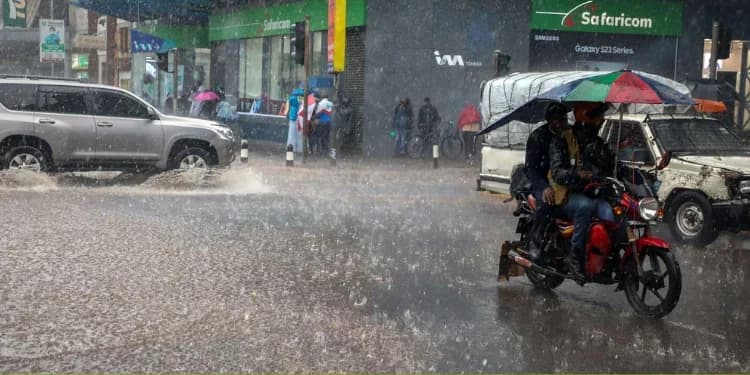
In a weather advisory issued on Sunday, the agency said moderate to heavy rainfall exceeding 20 millimetres is expected in the Coast region, Northeastern Kenya, the Highlands East and West of the Rift Valley, the Central Highlands including parts of Nairobi, and sections of the Southeastern lowlands.
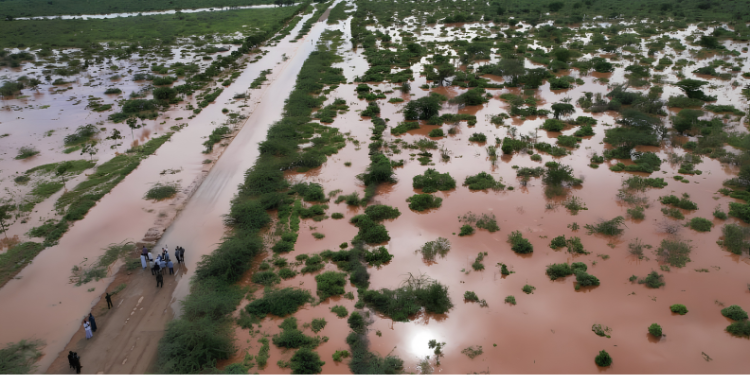
The department warned that the rains could trigger flash floods, particularly in low-lying and flood-prone areas, while poor visibility is also expected to affect transport and other outdoor activities.
The advisory lists counties along the Coast, including Kwale, Mombasa, Kilifi, Tana River and Lamu. In the north and east, Garissa, Wajir, Mandera, Marsabit and Isiolo are expected to receive significant rainfall.
The warning also covers several counties in western Kenya and the Rift Valley, including Migori, Nyamira, Bungoma, Busia, Kakamega, Vihiga, West Pokot, Baringo, Elgeyo Marakwet, Trans Nzoia, Nandi, Uasin Gishu and Nakuru.
Other affected counties are Siaya, Kisumu, Homa Bay, Kisii, Kericho and Bomet.
In Central Kenya, the advisory covers Kiambu, Embu, Murang’a, Kirinyaga, Nyandarua, Nyeri, Laikipia, Tharaka-Nithi and Meru. Narok and Kajiado are also expected to experience heavy rainfall.
The agency also noted that parts of Nairobi, Taita Taveta, Kitui, Machakos and Makueni could receive substantial rainfall during the forecast period.
Beyond the rainfall, the department warned of strong southerly to southeasterly winds exceeding 25 knots (about 12.5 metres per second).
The winds are expected to affect coastal, eastern and northern regions, potentially causing rough conditions and disruptions.
Kenya Met on High Flood Risk
Meteorologists cautioned that floodwaters may occur even in areas that do not receive heavy rainfall directly.
According to the advisory, downstream locations remain vulnerable as runoff from higher areas may lead to sudden flooding, increasing risks for communities living near rivers, streams and other water channels.
Residents have been urged to stay alert and pay attention to updates issued by weather and disaster management authorities.
The warning comes as several parts of the country continue to experience the October-to-December short rains season, which often brings periods of intense rainfall in many regions.
Safety Precautions Issued
To reduce risks during thunderstorms, residents have been advised not to shelter under trees or near grilled windows because of the danger posed by lightning strikes.
Motorists have also been urged to use caution because reduced visibility and slippery roads could result from the expected downpours.
The weather department said it will continue monitoring the situation and provide updates should conditions change.
Kenya Met encouraged residents in all affected areas to take necessary precautions, especially those living in flood-prone locations, as the heavy rains are expected to persist over the coming hours.
Heat Despite Predicted Heavy Rains
Despite forecasts of enhanced rainfall linked to El Niño, many parts of Kenya have continued to experience unusually hot conditions.
According to Kenya Met, El Niño does not mean constant rainfall.
Instead, it alters global weather patterns and can bring both increased rainfall and higher temperatures.
They expect Kenya to experience warmer-than-normal temperatures during the October-December season, even as rainfall increases.
Other climate systems, including the Indian Ocean Dipole and Madden-Julian Oscillation, are also influencing when and where rain falls.
As a result, some areas are experiencing prolonged sunny spells and heat.
Kenya Met maintains that the seasonal rainfall forecast remains on track, but rain distribution will vary across the country.
Follow our WhatsApp Channel and X Account for real-time news updates.


Comments
No comments yet. Be the first to share your thoughts.