
Ukraine is set to receive a major increase in Western military and financial support in 2026 after NATO allies pledged US$60 billion (Ksh7.75 trillion) in defense assistance in addition to a previously approved €90 billion (Ksh13.72 trillion) support loan from the European Union.
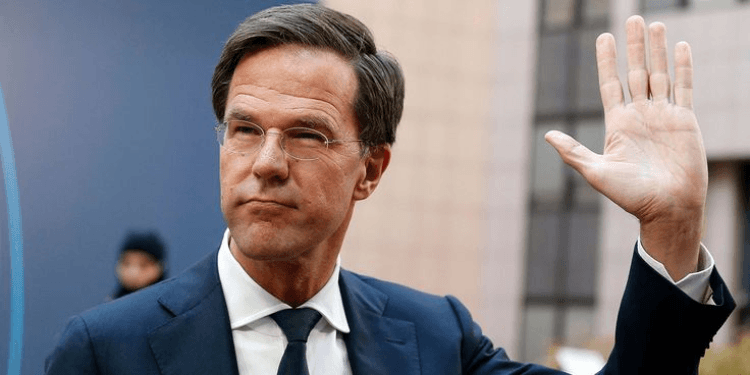
The NATO commitment was announced on April 15 by NATO Secretary General Mark Rutte during a meeting of the Ukraine Defense Contact Group in Berlin.
Rutte said alliance members had agreed to meet a collective target of US$60 billion (Ksh 7.75 trillion) in military support for Ukraine over the course of the year.
The funding will be provided by NATO member states and is separate from European Union financing arrangements already in place.
Huge Boost for Ukraine
Rutte said the assistance would focus on key battlefield needs and must not replace existing national or EU commitments.
He added that NATO allies were expected to invest more jointly to ensure Ukraine receives sustained military support as the war with Russia continues into its fifth year.
Rutte stressed that the US$60 billion (Ksh 7.75 trillion) target represented direct security and defense assistance and should be delivered alongside, not instead of, other funding streams.
According to NATO, the military aid will prioritize air defense systems, unmanned aerial vehicles, and extended-range ammunition.
These areas have been identified by Ukrainian officials as critical amid continued Russian missile strikes and ground operations.
The NATO chief also confirmed that the Prioritised Ukraine Requirements List, known as the PURL mechanism, will continue in 2026. The framework allows NATO members to finance the purchase of US-made weapons and equipment for Ukraine, with delivery coordinated among allies.
Rutte said NATO would also seek to improve how the cost of supporting Ukraine is shared among alliance members.
He noted that a small group of countries currently bears a large share of the burden and said the issue would be discussed ahead of the NATO summit scheduled for Ankara.
The NATO announcement follows earlier statements that alliance members provided more than US$50 billion in military assistance to Ukraine in 2024 and 2025 combined.
The new pledge would mark one of the largest single-year commitments since Russia launched its full‑scale invasion in February 2022.
EU 90 Billion Support Package
The NATO pledge comes on top of a €90 billion loan package (Ksh13.7 trillion) approved by the European Parliament in February to support Ukraine’s defense and budget needs in 2026 and 2027.
The package was adopted under an urgent procedure and comprises three legislative measures that allow the European Union to raise funds through joint borrowing on capital markets.
Of the total amount, €60 billion (Ksh9.1 trillion) is allocated for defense and military procurement, while €30 billion (Ksh4.6 trillion) is set aside for macro financial assistance and budget support.
EU officials said the defense portion of the loan will be used to strengthen Ukraine’s military capabilities and ensure access to equipment and ammunition.
In principle, procurement will be conducted with Ukrainian, EU, or European Economic Area defense industries, with limited exemptions allowing purchases from other countries if supplies are unavailable for urgent delivery.
The €30 billion allocated for financial assistance will support the Ukrainian state budget, including salaries, pensions, and essential public services that have come under pressure due to the war.
The loan will be guaranteed by the EU’s long‑term budget, with interest and servicing costs covered through annual EU budgets.
The European Commission estimates interest costs of around €1 billion in 2027 (Ksh152 billion) and approximately €3 billion per year from 2028 onwards (Ksh457 billion annually).
Under the agreement, Ukraine will be required to repay the loan principal once war reparations are received from Russia.
Disbursement of funds is conditional on Ukraine maintaining commitments to democratic governance, the rule of law, and anti‑corruption measures.



Comments
No comments yet. Be the first to share your thoughts.