
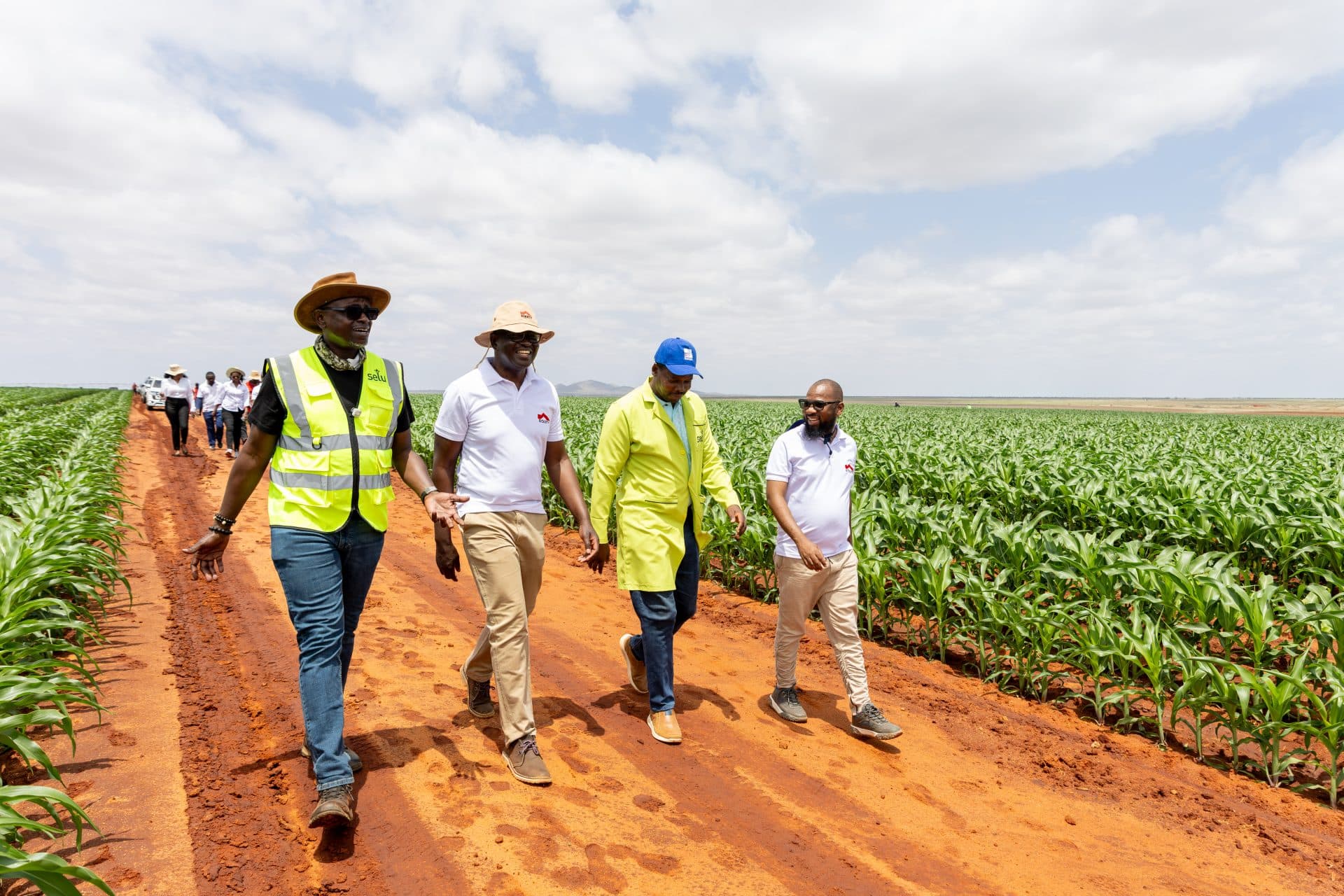
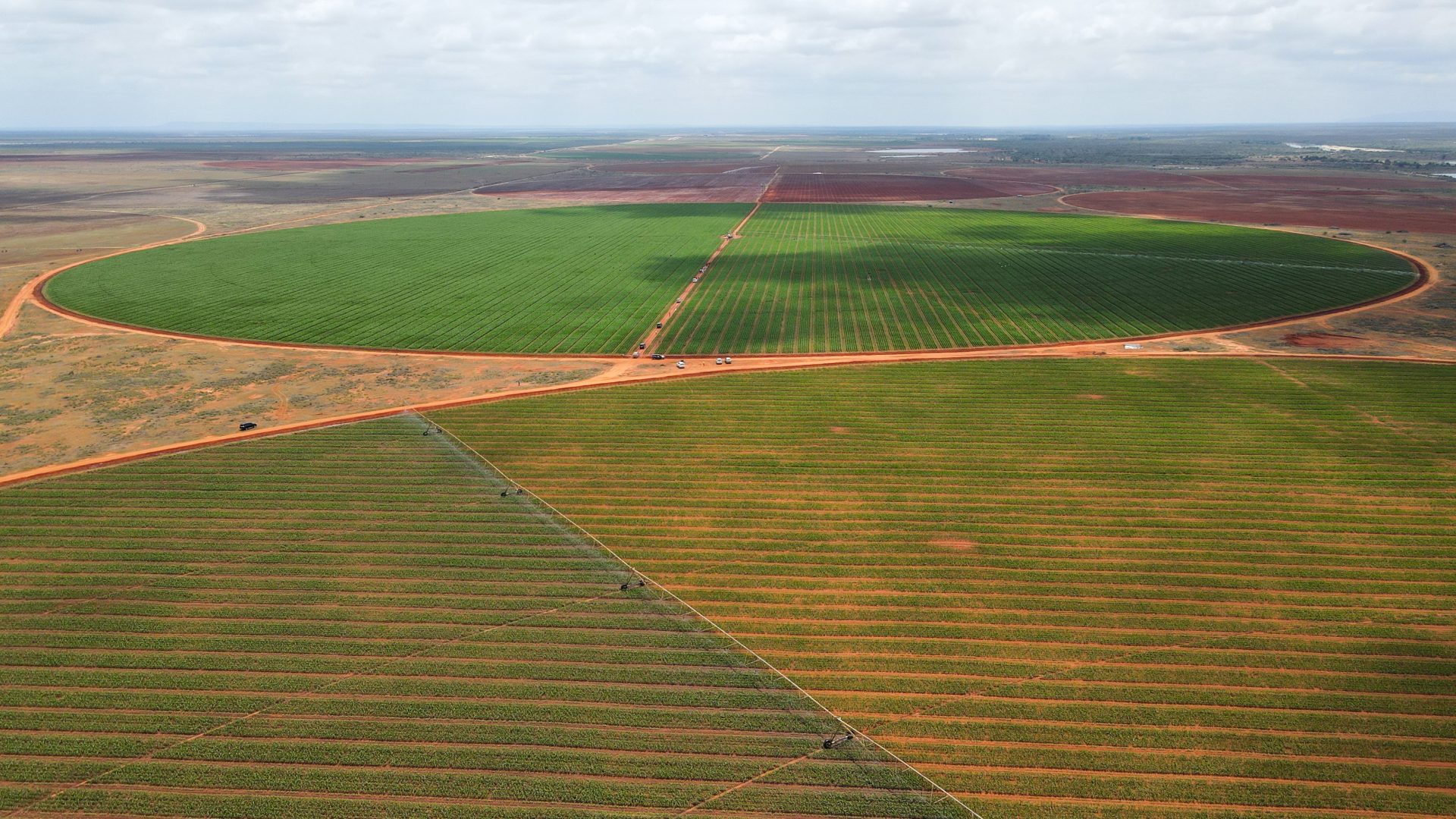
Vast fields of maize stretch across the dry landscape of Galana-Kulalu, where irrigation sprinklers supply water to crops under the coastal sun. Agricultural drones survey the fields, while data collection and modern farm management techniques guide decisions on crop production, offering a glimpse of how technology could change the economics of farming in Kenya.
The approach has delivered yields of up to 35 bags of maize per acre, more than three times the national average cited by the farm operator, as a commercial farming venture prepares for a Sh13 billion expansion over the next three years.
Precision Farming Delivers Higher Maize Yields
“The project combines irrigation, renewable energy and precision-farming technologies, including giant agricultural drones and sprinkler systems, supported by rigorous data collection to guide decisions in real time,” said Peter Njonjo, founder and chairman of Selu Group, the company operating the farm.
The results are strengthening the case for technology-led agriculture at a time when Kenya is seeking to increase domestic food production, reduce reliance on imports and protect farmers from the effects of increasingly unpredictable rainfall.
Galana-Kulalu Irrigation Project Gets Sh12.5B PPP Boost
Sh13 Billion Investment to Expand Cultivation
Selu Africa Limited plans to expand cultivation across its 20,000-acre parcel at Galana-Kulalu, building on a pilot that grew from 500 acres in 2025 to 2,000 acres this year. The company is targeting yields exceeding nine metric tones per hectare as it scales up production.
The planned investment will support the expansion of cultivation and the systems required to sustain production at scale. It also presents a test of whether irrigation, mechanization and precision farming can deliver consistently higher yields across a much larger area.
How Technology Is Transforming Commercial Agriculture
Unlike conventional farming, where decisions on water and farm inputs may rely heavily on observation and experience, precision agriculture uses data to guide how resources are deployed. Combined with irrigation and mechanization, the approach can help farmers manage large tracts of land more systematically.
At Galana-Kulalu, the model brings together irrigation, renewable energy, agricultural drones and data-driven farm management. The project also works with international partners, including American agricultural machinery manufacturer AGCO, Brazil-based Campo, Bayer AG and LEAF Africa, which supports its research component.
Kenya’s Food Security Challenge Creates Investment Opportunities
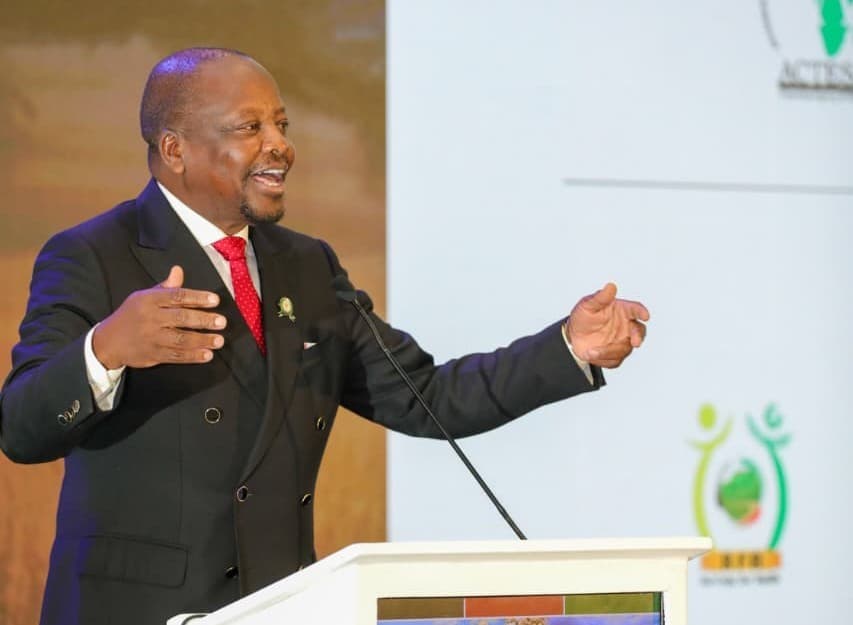
The investment comes against the backdrop of Kenya’s continuing food security challenge. Agriculture contributes about 23 per cent of the country’s gross domestic product, equivalent to approximately Sh4 trillion, but the sector grew by about three per cent last year amid erratic rainfall, according to Equity Bank Kenya managing director Moses Nyabanda.
“We continue to spend hundreds of billions of shillings annually importing food. That gap is our opportunity,” Nyabanda said.
Equity Bank Backs Agricultural Expansion
Equity Bank is providing phased financial support for the expansion, reflecting its strategy of financing agricultural enterprises that can raise production while generating economic opportunities beyond the farm.
The lender is targeting agriculture to account for 30 per cent of its loan book under its Africa Recovery and Resilience Plan, which identifies food production, enterprise growth and resilience as priorities.
Nyabanda said financing commercial agriculture also creates opportunities for businesses supplying farm inputs, transporting produce, trading commodities and providing services to growers.
“Our role is to make sure capital reaches every link in the chain, not just the farm at the center. We finance the anchor investor, and around it we bank the input dealers, transporters, traders and young agripreneurs it depends on,” he said.
Farm Expansion Creates Jobs and Skills Opportunities
The effects are also being felt among residents living near the farm through employment and exposure to modern agricultural practices. Agnes Karisa, who works as a farm hand, has gained practical experience in irrigation, mechanization, pest control and fertilizer application, some of which she applies on her own farm.
As the operation expands, it is expected to create further demand for machine operators, agronomists, technicians, logistics personnel and processing workers.
Can Precision Farming Deliver Food Security at Scale?
The broader test, however, is whether the yields achieved during the pilot can be sustained as cultivation expands and whether the investment can translate into a reliable increase in food supplies.
For Kenya, the promise of precision farming lies not simply in deploying drones and modern machinery, but in using technology, irrigation and financing to produce more food from cultivated land. The expansion at Galana-Kulalu will test how far that combination can go in turning the country’s agricultural potential into higher and more dependable output.
Comments
No comments yet. Be the first to share your thoughts.