

Kenya is seeking to attract investment in potato processing, seed production and commercial farming to reduce reliance on imported potato products and increase farmers’ incomes.
Agriculture and Livestock Development Cabinet Secretary Mutahi Kagwe made the call when he opened the 13th World Potato Congress, which has brought together 1,000 delegates from 67 countries.
The long week meeting in Naivasha that will end this Friday is the first World Potato Congress to be held in Sub-Saharan Africa, offering Kenya an opportunity to attract partnerships in research, mechanisation, storage, processing and seed production.
Kagwe urged delegates to focus on practical solutions that would improve farm productivity, expand market access and increase returns for potato growers.
“A food secure, healthier, prosperous farmer is also, in my considered view, a prerequisite for a safer, stable and productive society,” he said.
The CS identified import substitution as a key investment opportunity, citing an estimated market supply gap that could be filled by locally produced potato products.
He called for stronger links between farmers, processors, hotels, restaurants and fast-food businesses to expand local manufacturing, create jobs and retain more earnings within the country.
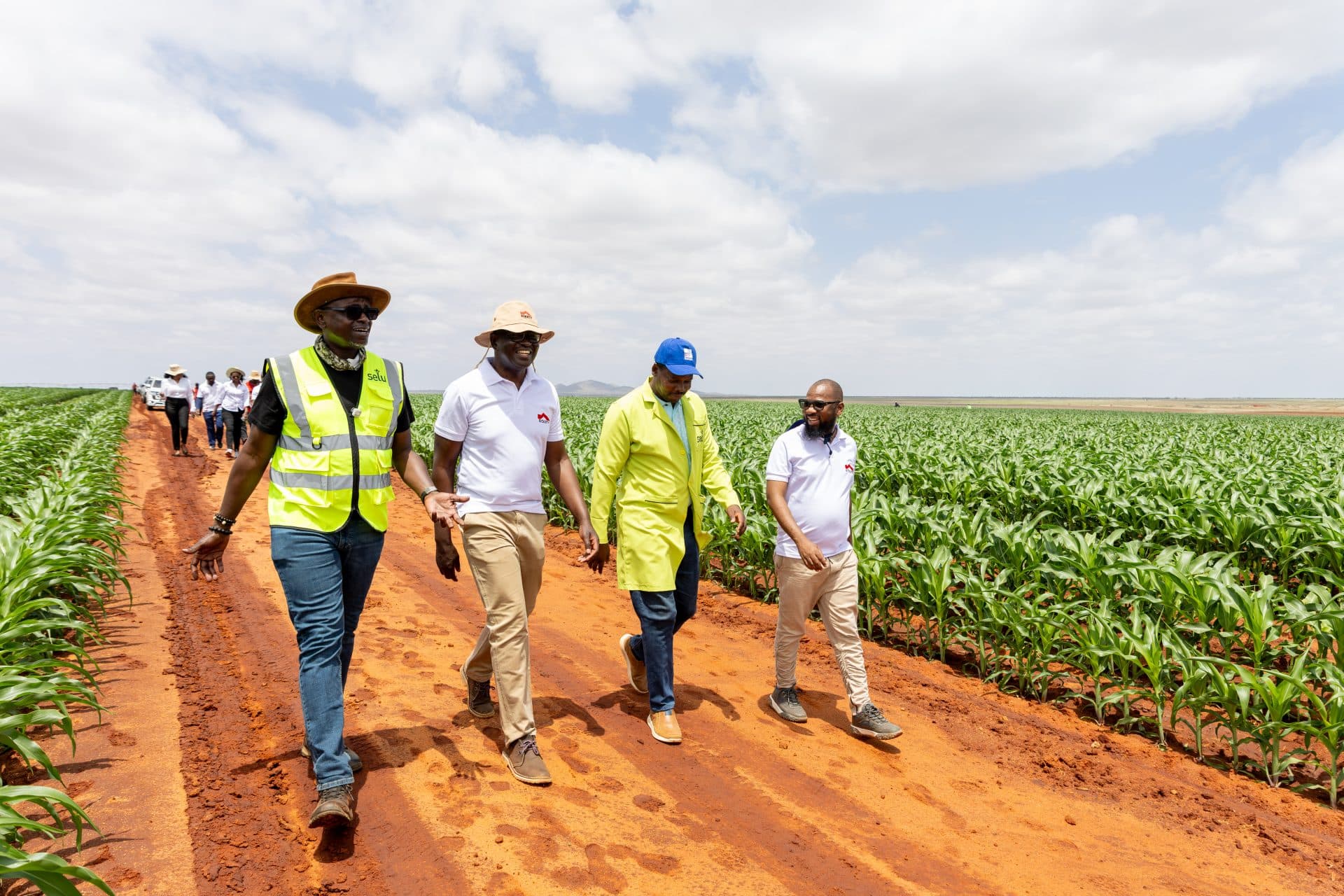
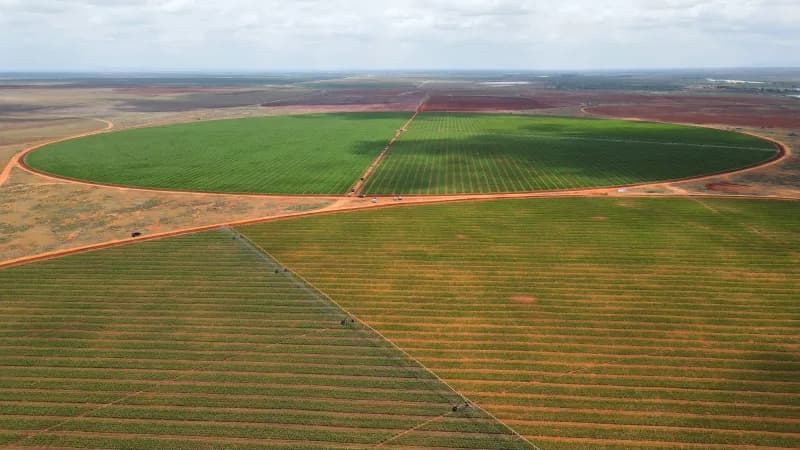
Kagwe also invited investors to explore opportunities under the government’s Land Commercialisation Initiative, which leases idle public land to private investors for agricultural production.
He said commercial farming, supported by irrigation, modern technology, value addition and reliable markets, could help unlock the potential of underutilised land.
The government is also pursuing plans to develop 50 mega dams, 200 medium-sized dams and 1,000 waterpans and reservoirs to reduce agriculture’s dependence on unreliable rainfall.
According to the Kenya National Bureau of Statistics’ National Agriculture Production Report 2025, Kenya produced about 2.2 million tonnes of potatoes in 2024, valued at Sh72.5 billion, down from approximately 2.3 million tonnes in 2023.
The decline was partly attributed to unfavourable weather conditions, including failed short rains and excessive long rains that encouraged fungal diseases such as late blight.
To improve production, Kagwe highlighted research by the Kenya Agricultural and Livestock Research Organization (KALRO) and the International Potato Center to develop a late blight-resistant potato using the popular Shangi variety.
The variety, developed by introducing three resistance genes into Shangi, has demonstrated resistance to late blight in field trials, potentially reducing the need for frequent fungicide applications.
The CS cited Clone IG-70, a drought- and blight-tolerant variety developed through KALRO’s Potato Research Centre in Tigoni, which is undergoing final verification.
Other interventions include expanding access to certified seed through KALRO’s Marindas Potato Sub-Centre in Kuresoi North, Nakuru County, and promoting Rooted Apical Cuttings technology to multiply planting material for varieties such as Shangi, Unica and Wanjiku.
Through partnerships involving Egerton University and the National Potato Council of Kenya, the Kenya Sustainable Potato Initiative is targeting 150,000 farmers with support to improve productivity, seed quality and climate-smart farming.
Kagwe emphasized the need for rigorous inspection and certification to protect farmers from uncertified and counterfeit seed, highlighting the role of the Kenya Plant Health Inspectorate Service (KEPHIS) in variety testing, certification and disease surveillance.
He said diversifying potato varieties would also help farmers meet the specific requirements of processors producing chips and crisps, strengthening local manufacturing.
The CS further cited cold-chain infrastructure developed in 12 counties over the past four years to improve storage, reduce post-harvest losses and support value addition.
He said the government was willing to engage the National Treasury on proposals to zero-rate potato-processing machinery, urging industry players to submit specific requests identifying equipment and other measures needed to attract investment.
The congress, held under the theme ‘Global Potato Partnership for Enhanced Food Systems, Nutrition Security, and Trade’, will connect farmers with researchers, seed suppliers, technology providers and potential investors.
A Farmer Field Day, a programme for teenagers under the 4K Club and a Women in Potato initiative are also expected to promote innovation, youth participation and women’s leadership in the sector.
Kagwe urged delegates to develop solutions suited to local farming conditions, saying the meeting’s success should be measured by improved farm businesses, stronger markets and better livelihoods for potato growers.
By Wangari Ndirangu
Comments
No comments yet. Be the first to share your thoughts.