
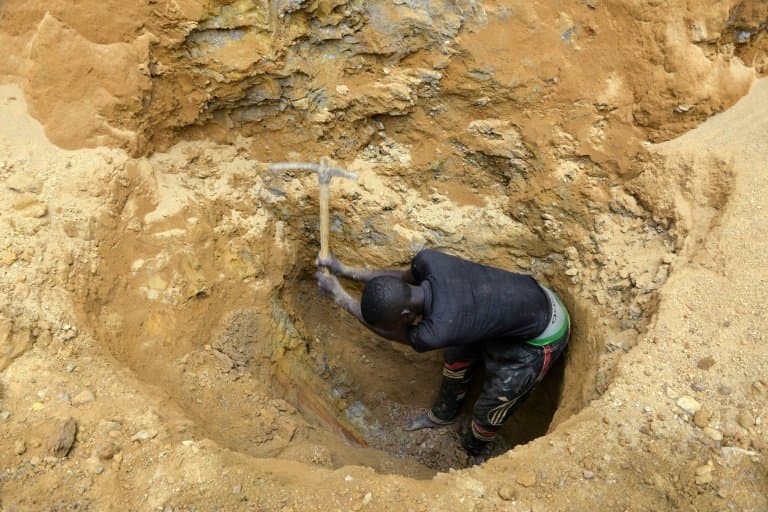
Gold exploration by Shanta Gold Kenya Limited in the Ramula, Munungo, and Uranga sub-locations spanning Siaya and Vihiga counties, faces growing legal hurdles following a court ruling regarding land access and licensing.
An October 29, 2026, ruling by the Siaya Environment and Land Court under Constitutional Petitions E002 and E003 of 2025 has affirmed that the company’s gold prospecting licence does not grant automatic access to private property.
The court stopped mining authorities from issuing a full licence for application number 0200 until Shanta Gold provides a strong evidence of consent from all affected private landowners.
The Judiciary has also directed that community objections against the mining application be reconsidered afresh. It ordered that a framework agreement on benefit-sharing arrangements be concluded in accordance with the Constitution and the Mining Act before any mining licence is granted.
For investors, the decision introduces significant compliance hurdles, raising pivotal questions about whether exploration can feasibly continue without express, and express landowner consent.
A primary concern for local residents is the risk of displacement, relocation, and resettlement. Under Article 40 of the Constitution of Kenya, citizens are protected against the arbitrary deprivation of property, mandating prompt and just compensation if land is acquired for public utility or resource extraction.
The Mining Act (of 2016) also states that mineral rights cannot be exercised over private land without written consent of the owner or lawful occupier, and demands fair compensation for any disturbance of surface rights or damage to crops and infrastructure.
However, the Ministry of Mining has given the gold exploration company a clean bill of health to continue operations under its existing parameters.
Mining Principal Secretary (PS) Elijah Kimtai says that the Environment and Land Court did not halt Shanta Gold’s current exploration or suspend its prospecting licence (PL/2019/0222).
“The licence remains valid and in force,” PS Kimtai says, adding that the Ministry welcomes the court’s guidance on the regulatory framework. “We are committed to fully complying with the court’s orders and ensuring that all subsequent actions are guided by the Constitution and the applicable laws of Kenya.”
While the government frames the project as a vital economic opportunity for the region, local communities remain cautious.
PS Kimtai, though, has sought to assure residents of both Siaya and Vihiga counties that the ministry will ensure the company operates transparently, responsibly, and strictly within the confines of the law.



Comments
No comments yet. Be the first to share your thoughts.