
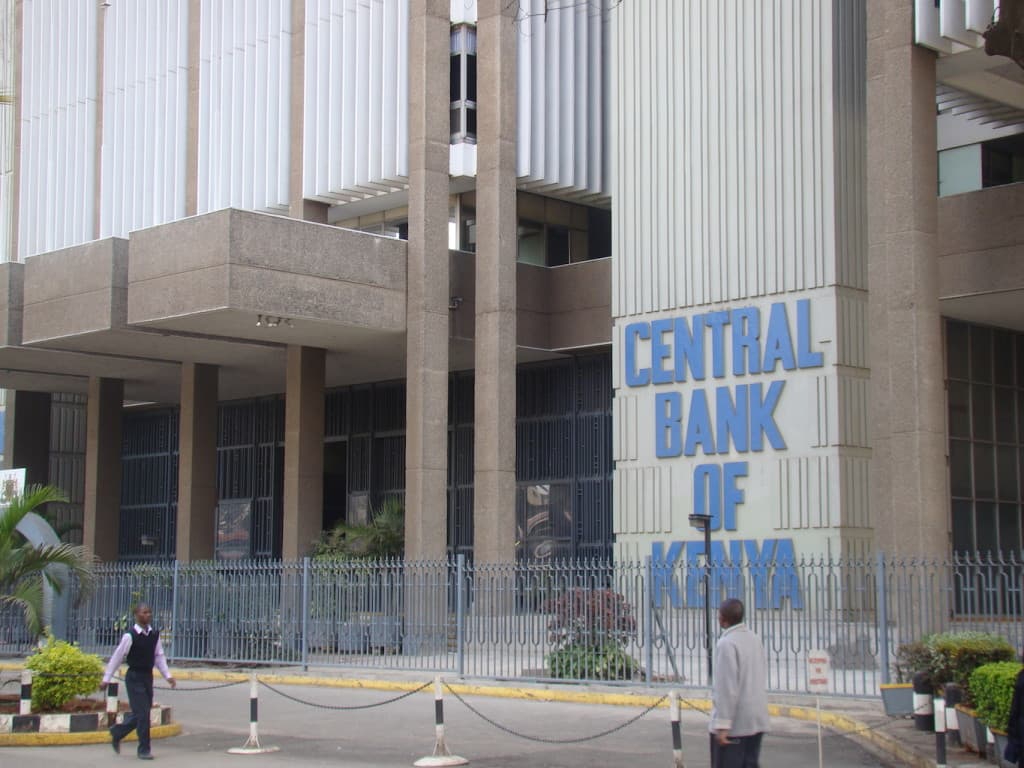
Kenya’s borrowing environment will remain largely unchanged after the Central Bank of Kenya (CBK) decided to leave its key interest rate at 8.75 per cent.
The decision means the Monetary Policy Committee (MPC) has now held the Central Bank Rate at the same level through four consecutive meetings, maintaining the position adopted after the February rate cut. The latest decision was made on October 7 as policymakers assessed inflation, credit growth, the shilling and risks facing the economy.
One of the factors giving the CBK room to maintain its position is the stronger flow of credit to businesses and households. Lending by commercial banks to the private sector grew by 10.6 per cent in September, up from 10.3 per cent in August.
The turnaround is significant compared with early 2025, when private-sector credit was contracting. The CBK said increased borrowing was recorded across sectors including trade, agriculture, construction, finance and insurance, as well as consumer-related activities.
However, the cost of bank loans has not fallen in line with the benchmark rate in recent weeks. Average commercial bank lending rates increased slightly to 14.4 per cent in September from 14.3 per cent in August. Despite the monthly increase, rates remain well below the 17.2 per cent recorded in November 2024.
Inflation remains the main challenge facing policymakers.
Kenya’s annual inflation climbed to 6.8 per cent in September from 6.6 per cent in August, according to the Kenya National Bureau of Statistics. Food and non-alcoholic beverages recorded inflation of 9.5 per cent, while transport costs rose 15.6 per cent. Housing, water, electricity, gas and other fuels increased by 3.2 per cent.
The three categories account for more than half of the basket used to measure changes in consumer prices.
Despite the increase, inflation remains inside the CBK’s target range of 2.5 to 7.5 per cent. The central bank expects price pressures to remain within the band in the near term, supported partly by a stable exchange rate and expectations of improved food supplies.
The economic outlook has also improved. CBK raised its 2026 growth projection to 5 per cent from 4.9 per cent, with stronger activity in industry and services supporting the revision.
But risks remain, particularly higher international oil prices, geopolitical tensions and possible weather disruptions.
Governor Kamau Thugge said the CBK would continue watching developments in global oil markets and their possible effect on domestic prices.
“The MPC noted that there is a need to continue monitoring the evolution of global oil prices and any second-round effects on inflation,” Thugge said.
The MPC is scheduled to review monetary policy again in December 2026.


Comments
No comments yet. Be the first to share your thoughts.