

NAIROBI, Kenya, Oct 8 – Kenya’s National Infrastructure Fund (NIF) has started deploying its Sh340 billion seed capital, beginning with investments in government bonds as it seeks to generate returns and mobilize additional financing for infrastructure projects.
Reuters reported that the fund began buying government securities in July, marking the first major deployment of its capital as the State seeks to develop alternative sources of infrastructure financing.
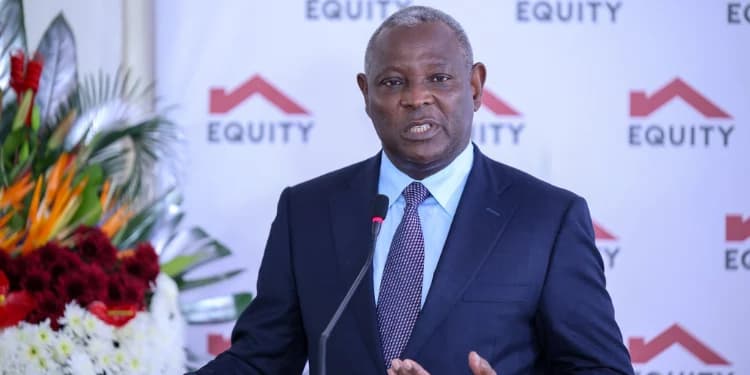
NIF Chief Executive James Mworia said the fund expects the investments to generate about Sh42 billion a year, which can then support further investment and help attract private capital into infrastructure projects.
The strategy comes as Kenya faces competing demands for public spending, including infrastructure development, while high debt-service costs limit the government’s ability to rely solely on borrowing to fund projects.
“We have a high debt service level relative to our income, we have high social needs and we have a limit to which you can tax Kenyans,” Mworia told Reuters.
“But on the other hand, we have an infrastructure deficit.”
According to Mworia, the fund aims to deploy the entire Sh340 billion by June 2027, with the amount equivalent to about a third of the government’s domestic borrowing target for the current financial year.
The fund is targeting up to Sh3.6 trillion in infrastructure financing over the next decade, with investments expected to cover sectors including energy, transport and logistics, ICT, water and agriculture.
The latest deployment follows plans outlined by Mworia in September to broaden the fund’s access to capital beyond government financing.
Speaking at Africa Capital Week on September 9, Mworia backed the creation of an NIF Infrastructure Development Fund that could be listed on the Nairobi Securities Exchange and use a framework similar to Development Real Estate Investment Trusts to raise funds for infrastructure.
He said such an instrument would give investors access to a liquid investment vehicle while helping address the mismatch between long-term infrastructure assets and shorter-term investment needs.
Mworia’s immediate priorities when he took over as the inaugural NIF CEO included mobilizing co-investment capital and developing a pipeline of infrastructure projects.
The NIF was established to mobilize nearly Sh5 trillion over the next decade, with financing expected from government allocations, private investment, privatization proceeds, grants and loans.
The fund is expected to support projects across highways, railways, ports, agribusiness infrastructure and energy systems.
Its capital base was partly created from proceeds from the privatization of Kenya Pipeline Company and the sale of part of the government’s stake in Safaricom, Reuters reported.
The fund is also considering investments in major private infrastructure projects, including the proposed Dangote refinery in Lamu, although the size of any potential stake has not been disclosed.
The move is aimed at using public capital to attract larger pools of private financing, potentially reducing reliance on direct government borrowing for long-term infrastructure development.

Comments
No comments yet. Be the first to share your thoughts.