
The Kenya National Bureau of Statistics (KNBS) has reported a rise in Kenya’s annual inflation rate to 6.8 per cent in September 2026, up from 6.6 per cent in August.
The increase was mainly driven by higher prices of food, transport and household energy, adding pressure to the cost of living. Inflation had stood at 6.5 per cent in July, meaning September marked the second consecutive monthly increase.
According to the latest Consumer Price Index and Inflation Report, the general price level in September was 6.8 per cent higher than it was in the same month last year.
KNBS said food and non-alcoholic beverages, transport, and housing, water, electricity, gas and other fuels remained the main sources of price pressure.
“These three divisions together account for over 57 per cent of the total weight across the 13 major expenditure categories,” KNBS said.
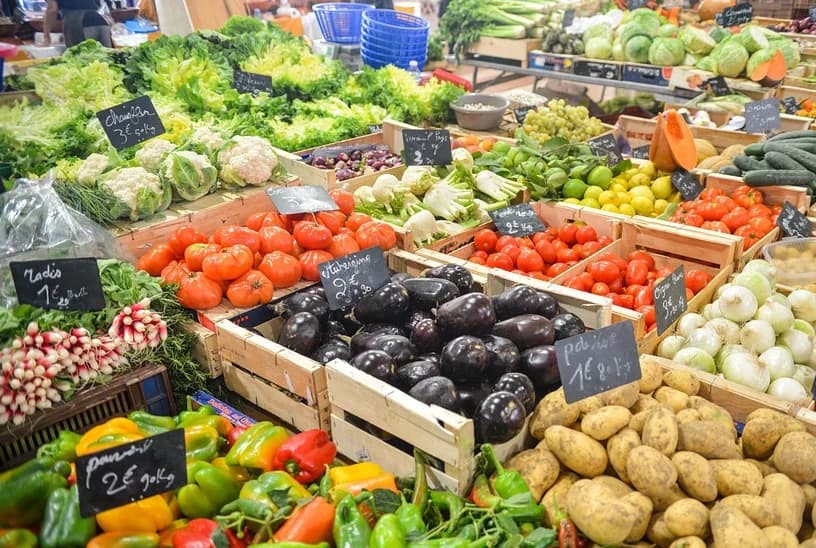
Food prices
Food and non-alcoholic beverages recorded annual inflation of 9.5 per cent and increased by 0.9 per cent between August and September.
The price of white wheat flour rose by 4.5 per cent, while fresh unpacketed cow milk increased by 5.8 per cent. Fresh packeted milk recorded a six per cent rise, with the average price of a 500ml packet increasing from Ksh57.74 in August to Ksh61.23 in September.
Cabbage prices rose by 6.2 per cent, potatoes by 3.3 per cent and cooking oil by 0.7 per cent.
However, some food items became cheaper during the month. Tomato prices fell by 4.1 per cent, spinach declined by 2.1 per cent, sifted maize flour dropped by 0.6 per cent and sugar by 0.4 per cent.
Over the past year, potatoes recorded one of the largest increases at 33.6 per cent, followed by kale at 32.5 per cent and cabbage at 25.8 per cent.
Transport remains expensive
Transport recorded annual inflation of 15.6 per cent, the highest among the major expenditure divisions.
The average price of diesel stood at Ksh219.04 per litre, representing a 26.9 per cent increase from September 2025. Petrol averaged Ksh214.95 per litre, up 15.8 per cent over the same period.
Some public transport fares declined during September. Country bus and matatu fares fell by one per cent, while city bus and matatu fares dropped by 0.3 per cent.
Electricity prices fall
Housing, water, electricity, gas and other fuels recorded annual inflation of 3.2 per cent.
Electricity prices eased during the month, with the average cost of 50 kWh falling from Ksh1,289.47 to Ksh1,258.21. The cost of 200 kWh also declined from Ksh5,658.80 to Ksh5,533.76.
Core inflation, which excludes relatively volatile prices, increased from 3.4 per cent in August to four per cent in September, indicating higher underlying price pressures.


Comments
No comments yet. Be the first to share your thoughts.