

Kenyans are paying more for several basic food items after the prices of milk, wheat flour and vegetables increased in September, adding pressure on household budgets as the overall cost of living continued to rise.
According to the Kenya National Bureau of Statistics (KNBS) Consumer Price Indices and Inflation Rates report for September annual inflation rose to 6.8 per cent, up from 6.6 per cent in August.
The increase was mainly driven by higher prices in the Food and Non-Alcoholic Beverages, Transport, and Housing, Water, Electricity, Gas and Other Fuels divisions. KNBS data shows that food inflation was particularly significant, rising to 9.5 per cent over the 12 months to September.
Milk Prices Rise
Milk was among the food products that recorded notable price increases during the month.
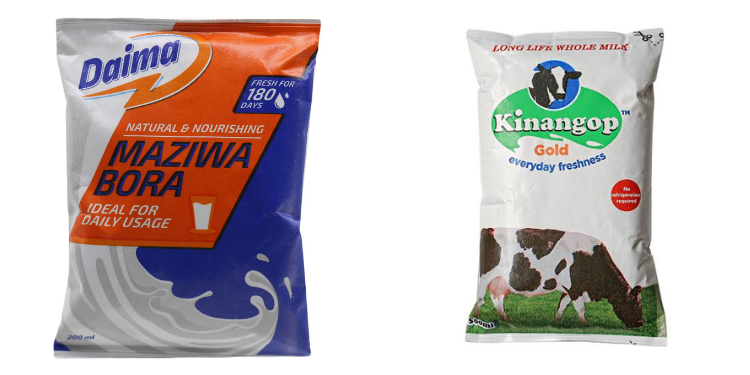
KNBS reported that the price of fresh packeted cow milk increased by 6.0 per cent between August and September, while fresh unpacketed cow milk rose by 5.8 per cent.
The price of UHT milk increased by 8.0 per cent, making it the biggest monthly increase among the milk products tracked in the report.
The increases contributed to the wider rise in the Food and Non-Alcoholic Beverages category, which recorded annual inflation of 9.5 per cent in September.
Wheat Flour, Vegetables and Other Foods Become More Expensive
According to KNBS, the price of wheat flour rose by 4.5 per cent between August and September.
The increase came as food prices continued to account for a significant share of the rise in consumer prices, with the Food and Non-Alcoholic Beverages division contributing more to annual inflation than several other major expenditure categories.
Several commonly consumed foods recorded price increases in September, with cabbage, Irish potatoes, oranges, beans and sukuma wiki all becoming more expensive.
Cabbage recorded the largest increase at 6.2 per cent, followed by Irish potatoes at 3.3 per cent. The price of oranges rose by 2.0 per cent, while beans increased by 1.2 per cent and sukuma wiki by 1.1 per cent.
Some Food Prices Fell
KNBS also recorded price reductions for some food products during the month.
Tomato prices fell by 4.1 per cent, while the price of sifted maize flour declined by 0.6 per cent.
The price of sugar also decreased by 0.4 per cent between August and September.
The mixed movements show that food inflation does not mean every food product increases in price at the same time. The overall food inflation rate reflects the combined movement of prices across the products included in the consumer basket.
KNBS Says Food Remains a Major Driver of Inflation
Food prices continued to exert significant pressure on the cost of living in September, reinforcing their role as one of the biggest contributors to Kenya’s inflation rate.
According to the Kenya National Bureau of Statistics (KNBS), the Food and Non-Alcoholic Beverages category recorded annual inflation of 9.5 per cent, surpassing the overall inflation rate of 6.8 per cent.
The category carries a weight of 32.9 per cent in the consumer basket used to calculate inflation, making it the single largest expenditure item for many households. As a result, changes in food prices affect the cost of living and the overall inflation trend.
At the same time, transport costs continued to put pressure on consumers, with the Transport division recording annual inflation of 15.6 per cent, the highest among the major expenditure categories tracked by KNBS.
Together, food, transport and housing-related costs accounted for more than 57 per cent of the weight in the consumer basket and were the main drivers of September’s inflation rate.
Overall Cost of Living Rises
Kenya’s cost of living continued to increase in September, with annual inflation edging up to 6.8 per cent from 6.6 per cent in August, according to the latest report from the Kenya National Bureau of Statistics (KNBS).
The overall Consumer Price Index (CPI), which measures changes in the prices of goods and services purchased by households, rose from 155.85 in August to 156.47 in September, translating to a monthly inflation rate of 0.4 per cent
The annual inflation rate of 6.8 per cent means that, on average, goods and services included in the CPI basket were 6.8 per cent more expensive in September than they were during the same month last year.
September’s reading extended the upward trend seen in recent months, driven largely by increases in food prices, transport costs and housing-related expenses. These three categories account for more than 57 per cent of the weight in the consumer basket used to calculate inflation.
KNBS compiles the CPI using a fixed basket of goods and services and compares current prices with those recorded during the base period, which is February 2019
To track price movements, the agency conducts a monthly survey of retail outlets across 50 data collection zones in urban areas nationwide, collecting data during the second and third weeks of each month.
Follow our and X Account for real-time news updates


Comments
No comments yet. Be the first to share your thoughts.