
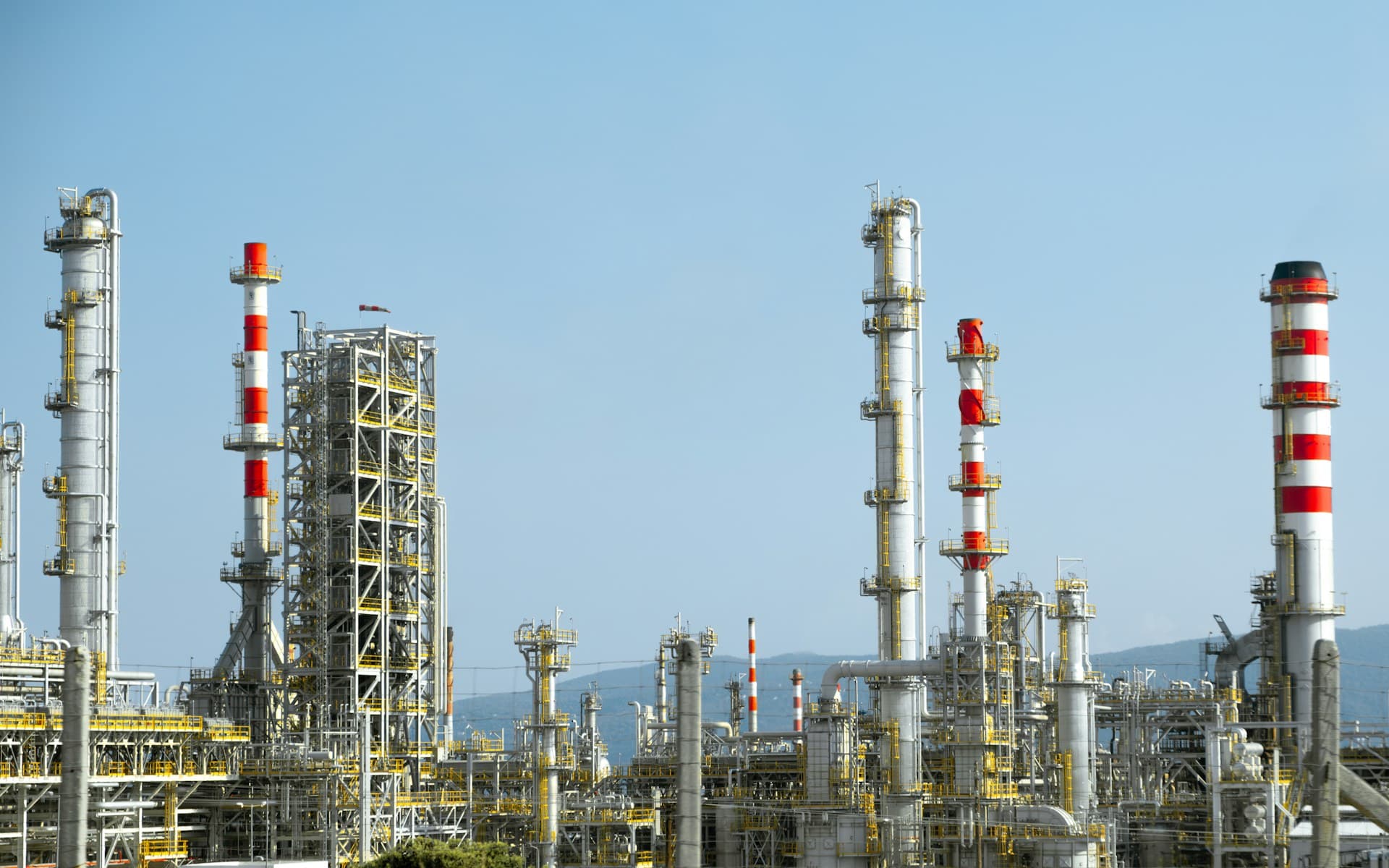
In recent months, public discourse in Kenya around industrialization and energy independence has been dominated by a singular narrative: the proposed arrival of Nigerian billionaire Aliko Dangote to build a crude oil refinery. The project has been hailed in press releases and political speeches as a game-changing miracle, a silver bullet that will lower fuel prices, create thousands of jobs, and secure the nation’s energy future.
However, beneath the polished public relations machine, a closer look at Kenya’s economic history, existing infrastructure, and energy landscape reveals a different picture. The insistence on the absolute necessity and unrivaled viability of this foreign private project raises serious questions. The truth is simple: building and operating a refinery is not rocket science, Kenya has done it before, and outsourcing national energy security to a foreign monopoly is neither impressive nor strategic.
The narrative surrounding the Dangote refinery often subtly relies on an accurate but exaggerated premise: that refining crude oil is an ultra-sophisticated technology beyond the native reach of East African nations.
This is historically false. Kenya operated the East African Oil Refineries (EAOR), later known as the Kenya Petroleum Refineries Limited (KPRL), in Changamwe, Mombasa, for over half a century. Established in 1960 and fully operational by 1963, the Mombasa refinery processed crude oil imported from the Middle East for decades, supplying refined products to Kenya, Uganda, Rwanda, Burundi, and South Sudan.
While the plant was eventually decommissioned in 2013 due to outdated technology, inefficient simple-hydrocarbon cracking techniques, and high operational costs, its legacy proves one crucial point: the institutional memory, technical framework, site logistics, and supply chain connections for petroleum refining already exist in Kenya. Modernizing refining capability is a matter of capital investment and updated technology, not an unachievable technical miracle.
In Nigeria, the Dangote Refinery in Lekki required massive state concessions, foreign exchange preferences, land grants, and near-monopolistic protectionist backing to secure its footing. When foreign private investors enter emerging markets with this level of fanfare, it often comes at the cost of local market protectionism, tax breaks, and long-term policy lock-ins that benefit the investor far more than the host public. The narrative that Kenya needs Dangote, rather than Dangote seeing a lucrative commercial opportunity in Kenya, flips the power dynamic in favor of the investor.
The Dangote refinery is fundamentally a private enterprise designed to generate returns for its shareholders. While private investment is a necessary component of economic growth, private energy monopolies rarely deliver on the promise of significantly cheaper consumer prices out of goodwill.
If refining petroleum locally is indeed as economically viable as proponents claim, several obvious questions arise:
1. Why not a Government owned facility?
If local refining guarantees national energy security and foreign exchange savings, Kenya could re-capitalize KPRL or form a state-led joint venture. Owning strategic infrastructure allows the government to directly buffer citizens against international price shocks rather than relying on the pricing decisions of a private corporation.
2. Why not support local entrepreneurs?
Kenya boasts a robust domestic private sector with extensive experience in logistics, energy distribution, and engineering. Why isn’t the government offering the same level of political capital, regulatory easing, and public land access to local consortiums or Kenyan industrialists to build modular or full-scale refineries?
3. Co-existence and competition
Even if Dangote builds a facility, it should not be treated as the nation’s exclusive savior. True energy security stems from market competition and diversification, not replacing state reliance on international oil traders with reliance on a single mega-refinery owner.


Comments
No comments yet. Be the first to share your thoughts.