
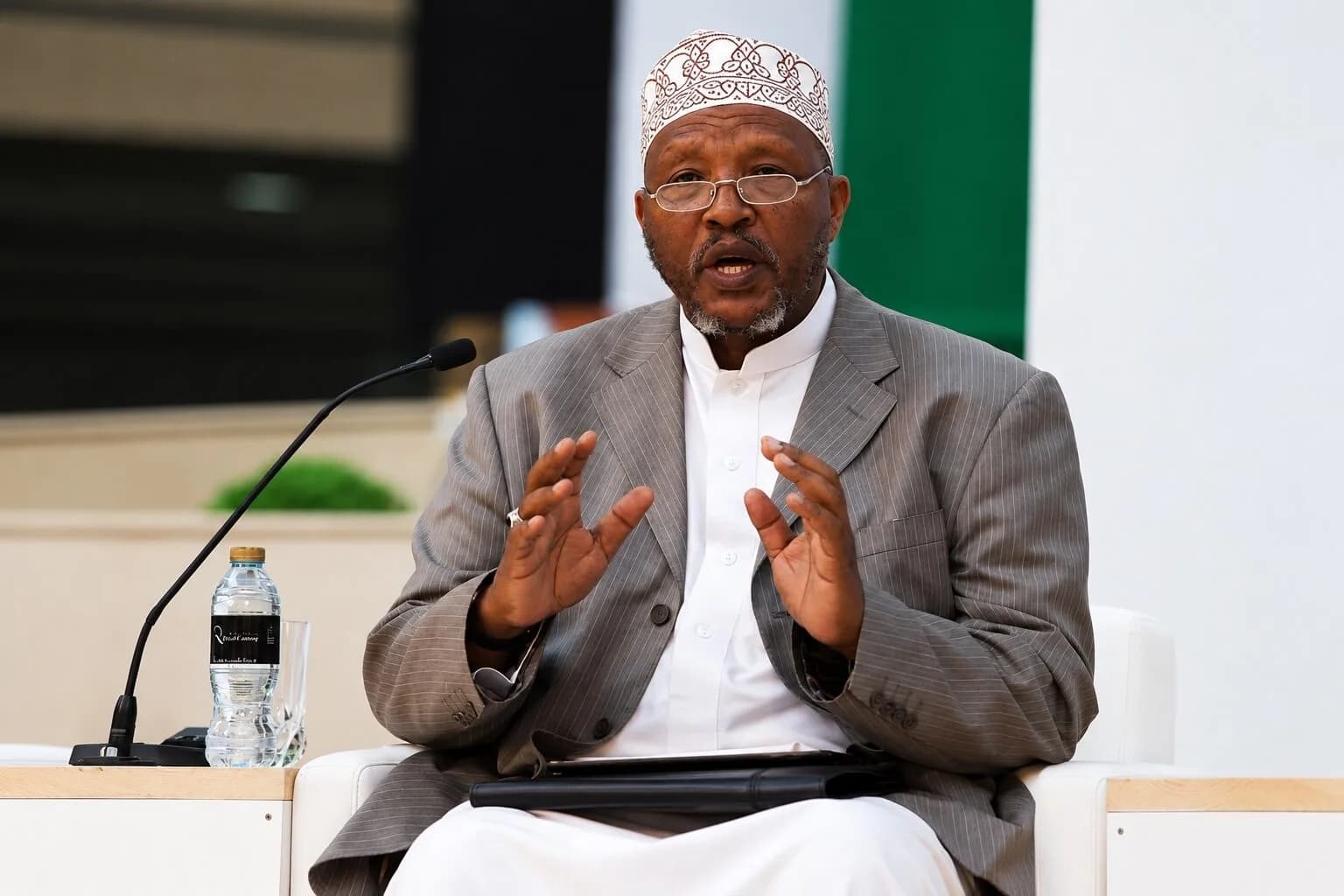
By Sheikh Ibrahim Lethome
A newborn’s first breath, a mother’s health and a child’s opportunity to grow, thrive and realise their potential are among the most precious things in life. Families and communities have a responsibility to protect them. Yet these outcomes are influenced by an often-overlooked factor: the ability to plan the timing and spacing of pregnancies.
I write as one voice among many in Kenya’s faith community, urging greater attention to child spacing, sometimes referred to as family planning, as an important part of protecting the health and wellbeing of mothers, children and families.
Across Kenya, many women still lack the ability to determine the timing and spacing of their pregnancies. In Kenya, 14 per cent of married women do not have access to the support they need to practise child spacing. This challenge is compounded by misinformation, stigma, fear and a general silence surrounding the subject.
The consequences cannot be ignored. When pregnancies occur too close together, a mother’s body may have insufficient time to recover, increasing health risks for both mother and child. In Kenya, approximately 355 women die for every 100,000 live births, translating to thousands of mothers lost every year to pregnancy and childbirth-related causes.
When women are able to plan their pregnancies, they can reduce some of these risks. Young mothers who give birth before the age of 20 are more likely to experience serious health complications and may lose opportunities to fulfil their potential. Their babies are also more likely to be born too small, too soon or in poor health, potentially missing out on a healthy start in life.
These consequences extend beyond the individual mother and child. Families and communities bear the social and economic costs, with the burden often heavier in some parts of Kenya than others.
There are modern methods that can enable mothers to space births and allow their bodies adequate time to recover from pregnancy and childbirth. The World Health Organization recommends an interval of at least two years. Yet access and uptake vary dramatically across the country. In Mandera, only 2 per cent of married women use modern family planning methods, compared with more than 57 per cent in Nairobi.
A mother’s ability to protect her health and that of her future children should not depend on the county in which she lives.
Kenya therefore needs a health system that provides more equitable access to child-spacing information, counselling and options. Families, too, need accurate information about the choices available to them and how these can support their health and wellbeing.
The benefits of appropriate child spacing extend beyond physical recovery and reducing health risks. Adequate intervals between births can give parents and caregivers more time to meet the needs of young children, while allowing families to better prepare for the financial and emotional demands associated with pregnancy, childbirth and newborn care.
There is, however, a misconception that family planning or child spacing necessarily contradicts the teachings of Islam. This misconception deserves to be addressed through knowledge, dialogue and a proper understanding of Islamic principles.
The ultimate goal of Islamic Law, or Shariah, is to promote human wellbeing through “bringing benefit and averting harm” (Jalb Al-Masaalih Wa Daf’u Mafsadah), in accordance with the higher objectives of Shariah, which seek to preserve religion, life, intellect, progeny and wealth.
Shariah also strongly prohibits causing harm, whether directly or indirectly. The Prophet Muhammad (PBUH) taught, “Do not cause harm or return harm” (La Dharara Wala Dhiraar). This teaching is consistent with the Quranic injunction: “…and do not throw yourselves with your own hands into destruction” (Quran 2:195).
Health and the protection of life are therefore deeply embedded in these teachings. When a mother is not given adequate time to recover between pregnancies, her health may suffer, with consequences for her ability to care for her child and family. Complications can threaten the wellbeing of the mother and child and place additional burdens on the wider family and community.
Islam upholds fundamental rights for every person, including the right to life and protection from avoidable harm. For mothers and newborns to have the best possible chance of survival and wellbeing, these principles must be reflected not only in religious teachings but also in our homes, clinics and communities.
Our faith teaches us to place our trust in Allah (Tawakkul), but that trust does not remove our responsibility to use the intellect and resources we have been given. The Prophet’s teaching, “Tie your camel and trust in Allah,” captures this balance. Faith and responsible action are not competing principles.
It is also important to consider breastfeeding in this context. Long before modern health experts recommended exclusive breastfeeding for the first six months, followed by continued breastfeeding alongside complementary foods for at least two years, the Quran addressed the importance of breastfeeding. Allah says: “…And mothers shall breastfeed their children for two complete years if they wish to complete the nursing period…” (Quran 2:233).
The verse places emphasis on the wellbeing of the mother and child and recognises the importance of the nursing period. Families should therefore seek methods of child spacing that are consistent with their religious beliefs and allow mothers and children to benefit from appropriate breastfeeding and recovery periods.
Where there is uncertainty about what is permissible, people should seek reliable knowledge and consult qualified scholars and health professionals. The Quran instructs us: “…ask those who know if you know not” (16:43).
Family health is a shared responsibility. Those of us who have been blessed with religious knowledge and given platforms to influence our communities have a responsibility to address misconceptions, stigma and myths and to provide accurate, contextually relevant information.
This is consistent with the Islamic principle of enjoining good and forbidding evil (Amru Bil Ma’ruuf Wa Nahyi Anil Munkar). Religious teachings seek to guide people towards wellbeing in this life and the hereafter. The Quran reminds us of this aspiration in the prayer: “Our Lord! Give us in this world that which is good and in the hereafter that which is good…” (Quran 2:201).
I appeal to fellow faith leaders to take this conversation from the pulpit to communities, particularly in counties where maternal and child health outcomes remain a concern. I urge those who manage and finance our health system to address disparities in access between Nairobi and other counties. And I encourage every family to seek the knowledge and support needed to protect the health of mothers and children.
Child spacing should not be approached as a conversation between faith and health, as though the two are necessarily in conflict. It can instead be understood through the shared principle of protecting life, promoting wellbeing and preventing avoidable harm.
A mother’s life, a child’s health and a child’s future are among the most precious things we are entrusted to protect. Safeguarding them is not a choice between faith and health. It is an expression of the shared pursuit of Maslaha, the wellbeing of human society.
The author is the Secretary General, Centre for Sustainable Conflict Resolution, and Convener of Religious Affairs, Jamia Mosque – Nairobi



Comments
No comments yet. Be the first to share your thoughts.