
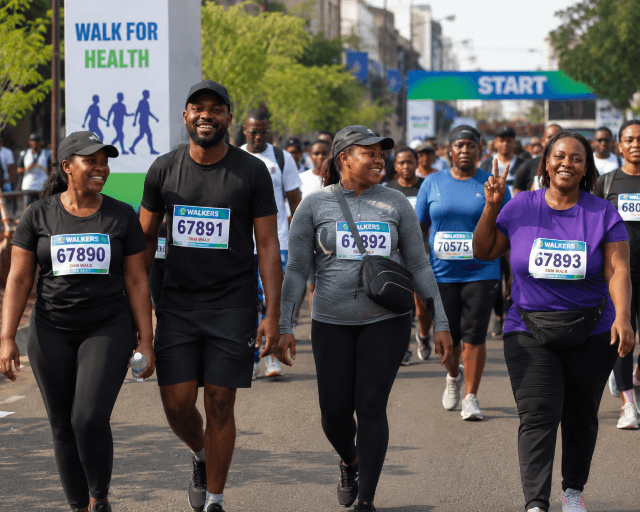
Whether you are walking or running a marathon, having the right fuel can make the difference between finishing strong and hitting the dreaded wall. Your body needs energy to keep your muscles working, maintain your pace, and prevent fatigue. While training prepares your body for the distance, nutrition helps you get to the finish line.
The good news is that you don’t have to rely on expensive sports supplements. From bananas and dates to energy gels, gummies and electrolyte drinks, there are several options to help you fuel your marathon.
1. Energy Gels
Energy gels are concentrated sources of carbohydrates designed to provide quick energy during prolonged exercise. They are convenient, lightweight and easy to carry.
When to use them: During the race, particularly when you need a quick carbohydrate boost. Many athletes start taking carbohydrates within the first 30–60 minutes, then continue at regular intervals.
Tip: Take gels with water unless the product specifically says otherwise. Practise using them during training to avoid stomach discomfort.
2. Energy Gummies and Chews
Energy gummies and sports chews provide carbohydrates in a convenient, bite-sized form. They are an alternative for people who don’t enjoy the texture of gels.
When to use them: During the marathon, in small portions throughout the race.
Tip: Check the carbohydrate content per serving, as ordinary sweets and sports gummies may differ in their nutritional composition. Choose products that are easy to chew and digest while moving.
3. Bananas
Bananas are a convenient source of carbohydrates and provide potassium, which supports normal muscle and nerve function.
When to use them: Before the race or during longer events, if they are available at aid stations and your stomach tolerates them.
Tip: Eat a banana about 30–60 minutes before starting if that timing works for you, or include it in a pre-race meal earlier. Carry one only if you find it practical.
4. Dates and Raisins
Dates and raisins provide readily available carbohydrates in a portable, naturally sweet package. They can be useful alternatives to commercial energy products.
When to use them: During training or the marathon, especially if you prefer whole-food options.
Tip: Test the portion size beforehand. Dried fruit contains concentrated sugars and fibre, which can cause digestive discomfort in some people.
5. Sports Drinks and Electrolyte Drinks
During prolonged exercise, you lose water and electrolytes, particularly sodium, through sweat. Sports drinks can help replace fluids and electrolytes while providing carbohydrates for energy.
Electrolyte drinks without carbohydrates can help replace electrolytes but do not provide much energy. Choose according to your needs, the weather, your sweat losses and the duration of the event.
When to use them: During the race, especially in hot or humid conditions or when sweating heavily.
Tip: Drink regularly according to thirst and your planned hydration strategy. Avoid forcing excessive amounts of fluid, as overhydration can cause dangerous low blood sodium levels.
6. Energy Bars
Energy bars provide carbohydrates and are easy to pack. However, bars high in fat, protein or fibre may digest slowly and feel uncomfortable during intense exercise.
When to use them: Before the race or during a long walking event when you have time to chew and digest food comfortably.
Tip: Choose a carbohydrate-focused bar and test it during training.
7. Water
Water does not provide calories, but it is essential for hydration, temperature regulation, and normal bodily function.
When to use it: Before, during and after the marathon, guided by thirst, conditions and your hydration plan.
Tip: Water may be sufficient for shorter exercise sessions, but longer events often require a plan that accounts for both fluid and electrolyte replacement.
 How Much Energy Do You Need During a Marathon?
For many adults exercising for more than an hour, a useful starting point is approximately 30–60 grams of carbohydrates per hour. For events lasting longer than 2.5 hours, some trained athletes may benefit from up to 90 grams per hour, provided they have practised tolerating that amount.
Your needs depend on your body, pace, duration and training. You don’t need to consume every type of energy food listed above. Choose a few that work for you and practise using them during long training sessions.
Marathon nutrition is about more than having enough energy on race day. It is about finding a combination of foods and drinks that your body tolerates, keeping yourself hydrated and fuelling consistently.
Plan ahead, carry what you need and avoid experimenting with unfamiliar products on race day. Whether you choose bananas, dates, gels, gummies or sports drinks, the best marathon fuel is the one that helps you maintain your energy, agrees with your stomach and gets you to the finish line safely.
Check out
Nutrition Leading Up To A Marathon: What To Eat Before Race Day
Walking Or Running A Half Marathon: How To Get To The Finish Line
9 Tips For Getting Ready For A Walking Marathon For Beginners
Magnesium: 10 Best Food Sources, Health Benefits And How To Use It In Your Fitness Routine

Comments
No comments yet. Be the first to share your thoughts.