
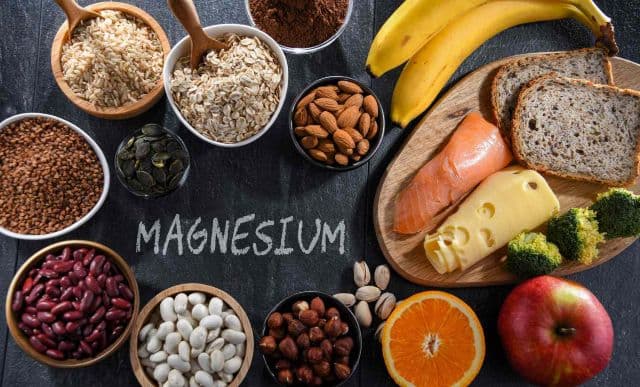
Magnesium is one of those essential nutrients that deserve more attention, especially if you exercise regularly, walk long distances, run, go to the gym, or are working towards building muscle and improving your endurance. It plays a role in hundreds of processes in the body, including muscle contraction, nerve function, energy production, and bone health. Yet many people focus on protein, carbohydrates and electrolytes while overlooking magnesium.
The good news? You do not necessarily need expensive supplements to get enough magnesium. Everyday foods such as beans, leafy vegetables, seeds, groundnuts and whole grains can help you meet your needs.
Let’s explore the benefits of magnesium, the ten best food sources to include in your diet, and how to incorporate it into your fitness routine.
What is magnesium, and why does your body need it?
Magnesium is an essential mineral involved in more than 300 enzyme systems that regulate important bodily functions. Your body cannot produce it, so you need to obtain it through food or, when appropriate, supplements.
Magnesium helps your body:
-
Convert food into usable energy.
-
Support normal muscle contraction and relaxation.
-
Maintain healthy nerve function.
-
Regulate normal heart rhythm.
-
Build and maintain strong bones.
-
Support protein synthesis, which is important for muscle repair and growth.
-
Regulate blood glucose and blood pressure.
-
Support normal electrolyte balance.
For people who exercise, magnesium matters because your muscles, nerves and energy-producing systems work harder during physical activity. However, taking extra magnesium does not automatically improve athletic performance if you already get enough.
The 10 best food sources of magnesium
You can get magnesium from a wide variety of foods, particularly seeds, nuts, legumes, whole grains and green leafy vegetables. Here are ten nutritious options, including foods that can fit easily into a Kenyan diet.
Magnesium amounts below are approximate and depend on the variety, preparation method and serving size. Values are estimates for typical portions, not laboratory measurements of every local food.

1. Pumpkin seeds (mabuyu ya pumpkin / pumpkin seed kernels)
Pumpkin seeds are among the richest everyday sources of magnesium. They also provide protein, healthy fats, iron and zinc, making them a useful snack for people who exercise. 8 Amazing Health Benefits Of Pumpkin Seeds

2. Chia seeds
Chia seeds provide magnesium, fibre, plant-based omega-3 fats and some protein. Their fibre can support bowel regularity and help you feel satisfied after meals. 10 Health Benefits Of Chia Seeds

3. Nuts, especially almonds and cashews
Nuts contain magnesium, unsaturated fats, protein and other important minerals. They make a convenient snack when you need energy between meals. 10 Nuts That Are Great for Your Wellbeing

4. Dark green leafy vegetables
Green leafy vegetables contain magnesium as part of chlorophyll. In Kenya, you can rotate spinach, sukuma wiki, managu, terere and other locally available greens into your meals.

5. Beans and other legumes
Beans, ndengu (green grams), lentils, cowpeas and chickpeas provide magnesium alongside protein, fibre and complex carbohydrates. They are particularly useful for people who want to build muscle without relying entirely on animal protein. The Health And Nutritional Benefits Of Beans

6. Groundnuts (peanuts)
Groundnuts are an affordable source of magnesium, plant protein and unsaturated fats. They are widely available in Kenya and can be easier to find than some specialty seeds. 8 Reasons Why Peanuts Are Good For Your Health

7. Whole grains, including oats and brown rice
Whole grains supply magnesium, carbohydrates and fibre. The fibre-rich outer layers of grains are often removed during refining, which can lower their magnesium content. Lifestyle: 6 Health Benefits Of Oats

8. Soybeans and soy foods
Soybeans provide magnesium and protein. Soy foods such as tofu can be useful additions to a plant-forward diet, especially when you need to increase your protein intake. Lifestyle: The Health Benefits Of Soybeans Or Soya Beans

9. Avocado
Avocado provides magnesium, fibre, potassium and unsaturated fats. Although it contains less magnesium per serving than seeds, it is an easy addition to balanced meals. Lifestyle: 7 Benefits Of Adding Avocados To Your Diet

10. Dark chocolate
Cocoa contains magnesium, and dark chocolate can contribute to your intake. The amount varies considerably with cocoa content and the product. Health: 10 Amazing Benefits Of Chocolate
Which magnesium-rich foods are best for a Kenyan diet?
If you want practical, affordable options, start with beans, ndengu, sukuma wiki, managu, groundnuts, oats and pumpkin seeds. You do not need to buy all ten foods or eat specialty products every day.
Aim for variety across the week. Combining locally available legumes, vegetables, and whole grains is often more sustainable than relying on one expensive food or supplement.
How much magnesium do you need daily?
Your daily requirement depends on your age, sex and life stage.
| Adult group | Recommended daily intake |
|---|---|
| Men aged 19–30 | 400 mg |
| Men aged 31 and above | 420 mg |
| Women aged 19–30 | 310 mg |
| Women aged 31 and above | 320 mg |
| Pregnant women | 350–360 mg, depending on age |
Regular exercise does not mean everyone needs a higher magnesium dose. The priority is to meet your normal requirements through a varied diet and address any deficiency or increased need with appropriate professional advice.
How to incorporate magnesium into your fitness routine
If your goal is to build muscle, improve fitness, lose weight or prepare for a long-distance walk or run, focus on eating magnesium-rich foods consistently rather than treating magnesium as a pre-workout supplement.

Before a workout: fuel your body
Eat a meal or snack containing carbohydrates, and include a magnesium-rich food where convenient.
Examples:
-
Oats with banana and pumpkin seeds.
-
Whole-grain bread with peanut butter.
-
A banana and a small handful of groundnuts.
For a short workout, you may not need a special pre-workout meal. For longer sessions, pay attention to your overall carbohydrate intake and hydration.

After a workout: support recovery
Eat a balanced meal with protein, carbohydrates and vegetables. Magnesium can be part of that meal, but you do not need to consume it immediately after exercise for it to work.
Examples:
-
Beans, ugali and sukuma wiki.
-
Ndengu with brown rice and vegetables.
-
Eggs, whole-grain bread and avocado.
-
Fish or omena with vegetables and a grain or starchy food.

Throughout the day: build consistency
Spread magnesium-rich foods across meals and snacks. This is often easier than trying to obtain most of your daily intake from one food. For example, eat oats at breakfast, beans at lunch, leafy greens at dinner and a modest serving of nuts or seeds as a snack.

For long walks, runs and endurance training
Magnesium is important for normal muscle function, but it is not a substitute for an endurance-fuelling plan.
Prioritise adequate food, fluids and, for prolonged exercise in hot conditions, an appropriate electrolyte strategy. Do not rely on magnesium tablets to prevent cramps or guarantee that you will finish a race.
A simple one-day magnesium-rich meal plan
Here is an example of how you might incorporate magnesium into a Kenyan-style eating plan without relying on supplements.

BREAKFAST
Oats, banana and pumpkin seeds. Provides carbohydrates for energy, fibre and magnesium from oats and seeds.

SNACK
Groundnuts and a piece of fruit. Provides healthy fats, some protein and additional magnesium.

LUNCH
Githeri, leafy greens and avocado. Provides legumes, carbohydrates, fibre and a variety of micronutrients.

DINNER
Fish or omena, ugali and sukuma wiki. Provides protein for muscle maintenance, carbohydrates and magnesium from the vegetables and other ingredients.
This is a flexible example, not a prescribed calorie or magnesium target. Portion sizes should reflect your appetite, training demands and personal goals.
Should you take magnesium supplements?
For most healthy adults, food is the best starting point. Supplements may be useful when dietary intake is inadequate, a deficiency is diagnosed, a medical condition affects absorption, or a clinician recommends them for a specific reason. There are different forms of magnesium
If you are considering a supplement, keep the following in mind.
-
Magnesium citrate: Often used in supplements and also found in some laxatives; it can loosen stools.
-
Magnesium glycinate: Commonly marketed for sleep and relaxation, but strong evidence that it is superior for these purposes is lacking.
-
Magnesium oxide: Contains a relatively high proportion of elemental magnesium but is generally less well absorbed than several other forms.
-
Magnesium chloride: Used in supplements and other preparations; absorption depends on the formulation.
The form alone does not tell you whether a product is right for you. Check the amount of elemental magnesium on the label rather than the total weight of the magnesium compound.
-
High supplemental doses can cause diarrhoea, nausea and abdominal cramps.
-
People with kidney disease may be at greater risk of dangerous magnesium accumulation.
-
Magnesium can interfere with the absorption of certain antibiotics and osteoporosis medicines. Ask a pharmacist about appropriate timing if you take medication.
-
If you have persistent cramps, unusual weakness or ongoing fatigue, do not assume you have a magnesium deficiency. These symptoms can have many causes and may warrant medical assessment.
The best fitness routine is supported by good nutrition, progressive training, hydration, sleep and recovery—not by a single mineral.
Check out
Health: Magnesium Benefits And Food Sources
Trying To Lose Weight And Build Muscle? Here Are 10 Protein Sources You Can Easily Get in Kenya
Wellness: Why You are Always Tired Even After Sleeping Enough



Comments
No comments yet. Be the first to share your thoughts.