
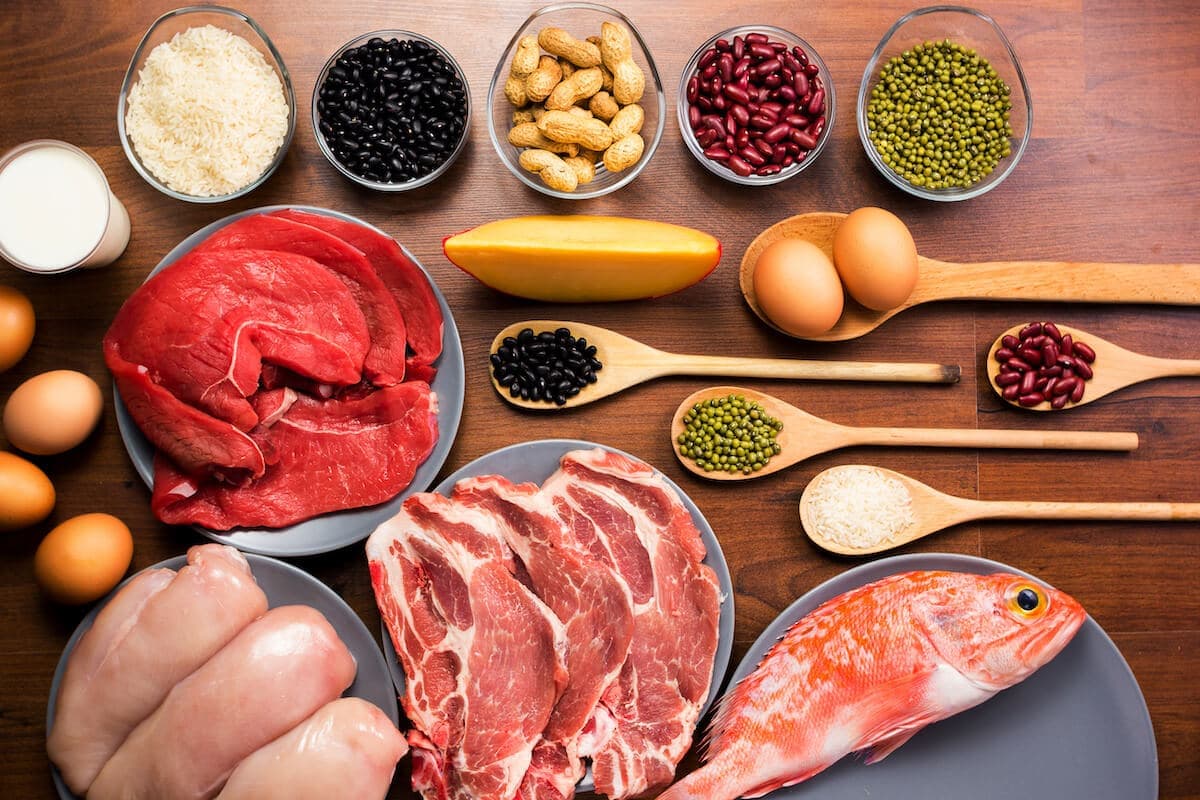
Losing weight while building muscle requires more than spending hours at the gym. What you eat matters, too. Protein is particularly important because it helps repair and build muscle after exercise, supports recovery and helps you feel fuller for longer.
The good news is that you don’t need expensive protein powders or imported health foods to meet your protein needs. Kenya has plenty of affordable, accessible protein sources, from eggs and beans to tilapia, ndengu and omena.
The trick is to combine protein-rich foods with strength training, balanced meals, enough sleep and a calorie intake that supports your goals.
Here are 10 protein sources you can add to your meals.
1. Eggs

How they help: Protein supports muscle repair and growth after strength training. Eggs also contain nutrients such as choline, which supports normal brain function.
How to eat them: Boil them for a quick snack, make a vegetable omelette, or scramble them with tomatoes, onions and spinach. Health: The Benefits And Dangers Of Eating Eggs
Approximate protein: 6–7g per large egg.
2. Omena

Omena known as dsilver cyprinid deserves a place on this list because it is a familiar, locally available fish that can provide plenty of protein without requiring an expensive food budget. It also contains calcium, particularly because the tiny fish are eaten whole, as well as other important nutrients.
Omega has complete Protein: It is packed with essential amino acids needed for muscle growth, tissue repair, and overall body strength. It is good for bone and teeth support. Eaten whole (including the bones and organs), it delivers high levels of bioavailable calcium, phosphorus, and magnesium to build strong bones. It also contains omega-3 Fatty Acids which have heart- and brain-healthy fats like EPA and DHA, which help lower cholesterol, reduce inflammation, and support cognitive function. It is also rich in iron and it supplies high amounts of Vitamin B12, zinc, selenium, and folate.
How it helps: Protein supports muscle maintenance and recovery, while calcium contributes to healthy bones — important when you’re increasing your exercise.
How to eat it: Sort and clean the omena, then cook it with tomatoes, onions and spices. Pair it with sukuma wiki and a moderate serving of ugali. Use oil in moderation if you’re trying to manage your calorie intake.
Approximate protein: Around 19–27g per 100g of prepared omena, depending on how it is cooked and how much water remains in the dish.
3. Beans

Image from https://cutt.ly/SWZz2w5
How they help: Protein contributes to muscle maintenance, while fibre helps with fullness and supports digestive health. Feeling satisfied after meals can make it easier to manage hunger while losing weight.
How to eat them: Make bean stew, add beans to githeri or serve them with vegetables and a moderate portion of rice or ugali.
Approximate protein: 14–16g per cup of cooked beans, depending on the variety and preparation.
4. Ndengu (Green Gram)

How they help: They provide protein, fibre and carbohydrates that supply energy for daily activities and exercise. The fibre can also help you feel full for longer.
How to eat them: Cook ndengu with tomatoes, onions, carrots and spices. Serve with vegetables and a suitable portion of rice or chapati.
Approximate protein: Around 14g per cup of cooked green grams.
5. Chicken

How it helps: It provides essential amino acids that your body uses to repair and build muscle after resistance exercise. Lean cuts can deliver substantial protein without excessive fat.
How to eat it: Grill, bake or stew chicken. Remove the skin if you want to reduce the fat content, and pair it with vegetables and a carbohydrate source.
Approximate protein: Around 25–31g per 100g of cooked, edible chicken, depending on the cut.
6. Tilapia and Other Fish

How they help: Fish provides high-quality protein for muscle repair and maintenance. Oily fish also supplies omega-3 fats, which support normal heart health.
How to eat it: Grill, bake or stew fish with tomatoes, onions, and spices. Serve with vegetables and a portion of ugali, sweet potatoes or rice.
Approximate protein: About 20–26g per 100g of cooked fish, depending on the species.
Lifestyle: 8 Health And Nutritional Benefits Of Fish
7. Milk and Mala

How they help: Dairy provides protein and calcium. Milk contains both whey and casein proteins, which are digested at different rates and contribute amino acids for muscle maintenance and recovery.
How to consume them: Have a glass of milk with breakfast, enjoy mala as a snack, or blend milk with a banana for a simple smoothie. Choose unsweetened options where possible if you’re watching your calorie intake.
Approximate protein: About 8g per 250ml glass of milk. Mala varies by product and preparation.
Uses Of Sour Milk Or Milk Past Its Sell-By Date
8. Beef

How it helps: Protein supports muscle development, while iron contributes to normal oxygen transport in the body. This is particularly relevant when you are physically active.
How to eat it: Choose leaner cuts when possible. Prepare beef as a stew, grill it, or cook it with vegetables. You don’t have to eliminate nyama from your diet to lose weight; pay attention to portions, cooking methods, and your overall calorie intake.
Approximate protein: Around 25–27g per 100g of cooked lean beef.
9. Groundnuts (Peanuts)

How they help: They provide protein, unsaturated fats, and other nutrients. They can help make snacks more satisfying, but are best treated as a complementary protein source rather than your main one.
How to eat them: Enjoy a small handful as a snack or use a measured amount of peanut butter in porridge or a smoothie. Avoid products with large amounts of added sugar.
Approximate protein: Around 7g per 30g handful of groundnuts.
10 Nuts That Are Great for Your Wellbeing
10. Plain Yoghurt

How it helps: Dairy protein contributes to muscle repair and growth. Yoghurt also provides calcium, and some varieties contain live cultures that support gut health.
How to eat it: Choose plain, unsweetened yoghurt and add fruit or a small portion of oats. Check the label because protein content varies significantly between products.
Approximate protein: Around 5–10g per 170g serving of regular yoghurt; high-protein varieties may provide more.
How to combine protein with your weight-loss goals
Eating protein alone will not automatically make you lose weight or gain muscle. Your overall eating pattern, exercise routine, sleep, and consistency all matter.

Eggs with whole-grain bread and tomatoes, or plain yoghurt with oats and fruit.

Omena/fish or beans with sukuma wiki and a small portion of ugali, rice or another staple.

Chicken, lean beef or fish with vegetables and a suitable serving of carbohydrates. If possible, eat very little or no carbohydrates in your last meal.
How much protein do you need?
For adults who exercise regularly, protein needs depend on body weight, training intensity, health and goals. A commonly used range for people doing regular strength training is approximately 1.4–2.0g of protein per kilogram of body weight per day. You don’t have to get it all in one meal; spreading protein across the day can help.
Remember these three principles:
-
Strength train consistently. Muscles need resistance exercise as well as protein to grow.
-
Aim for a moderate calorie deficit if you want to lose fat. Avoid crash diets that leave you exhausted and make it difficult to preserve muscle.
-
Choose foods you can afford and enjoy. Omena, beans, ndengu and eggs can all be part of a practical Kenyan eating plan.
The goal isn’t to eat chicken breast at every meal or spend a fortune on supplements. It’s to build a balanced, sustainable diet that supports your health, helps you preserve muscle as you lose fat, and fits your budget.
Check out
Unlocking The Power Of Post-Workout Nutrition: Maximizing Recovery And Results
Health: Benefits And Dangers Of Protein Powders
Foods You Should Avoid After A Workout To Lose Weight
Fitness: Great Foods To Eat Before A Workout
Why Workout Supplements And Protein Powders May Be Bad For You

Comments
No comments yet. Be the first to share your thoughts.