

65 per cent of Kenyan journalists show moderate to severe depressive symptoms – report

A new national survey has revealed that 65 per cent of journalists in Kenya recorded moderate to severe depressive symptoms, highlighting the mental health challenges facing the country's media industry.
The report, The Pain Behind the Byline: State of Welfare and Social Protection for Journalists in Kenya, jointly produced by the Kenya Union of Journalists (KUJ) and the Media Council of Kenya (MCK), examines journalists' working conditions, financial security, employment benefits, safety and psychological well-being.
"Lower monthly pay was associated with greater depressive symptom severity, with 71.4 per cent of respondents in the severe category earning below Sh50,000. Among freelancers, 72 per cent fell within the moderately severe or severe categories, compared with 55.6 per cent of correspondents and 33.4 per cent of permanent employees," the report read in part.
"Longer working hours and significant increases in workload were associated with higher symptom severity. Dissatisfaction with supervisors, performance management and organisational culture further correlated with greater symptom severity," it added.
It further found that 83 per cent of respondents experienced some level of depressive symptoms, with 25 per cent falling into the severe category.
The survey also found that 80 per cent of respondents said the symptoms made it difficult to perform their everyday work duties. However, only 25 per cent had sought professional mental health support.
Latest Stories
The assessment used the PHQ-9 screening tool and measured symptoms over the preceding two weeks; it was not a clinical diagnosis.
More than half of the journalists surveyed earn less than Sh50,000 a month, while the average monthly salary stands at Sh63,000. A further 82 per cent receive no allowances or bonuses.
Job insecurity is also widespread. Eighty per cent of freelance journalists lack written employment agreements, while 71 per cent of contracted journalists work under temporary contracts.
Workloads have also increased, with more than 65 per cent reporting heavier workloads over the past five years without corresponding increases in pay or allowances.
"Two-thirds report increased workload over the last five years, while fewer than one-third saw an income increase over the same period," the report noted.
The employment divide is stark: 93 per cent of permanent staff receive employer-provided medical insurance, compared with only 17 per cent of non-permanent workers. Unionised journalists also fare better financially, with 49 per cent earning above Sh100,000, compared with 13 per cent of non-unionised journalists.
The financial strain extends to daily living. More than a quarter cannot afford lunch, 91.7 per cent do not own homes, and 73.3 per cent rely on public transport. Retirement security is also uncertain, with only 40 per cent receiving employer-matched pension contributions.
The report further documents threats, physical attacks, denial of access and psychological harassment among the risks journalists face.
KUJ presented the survey findings and recommendations at a one-day conference that brought together media industry stakeholders to discuss journalists’ welfare, wellbeing and press freedom.
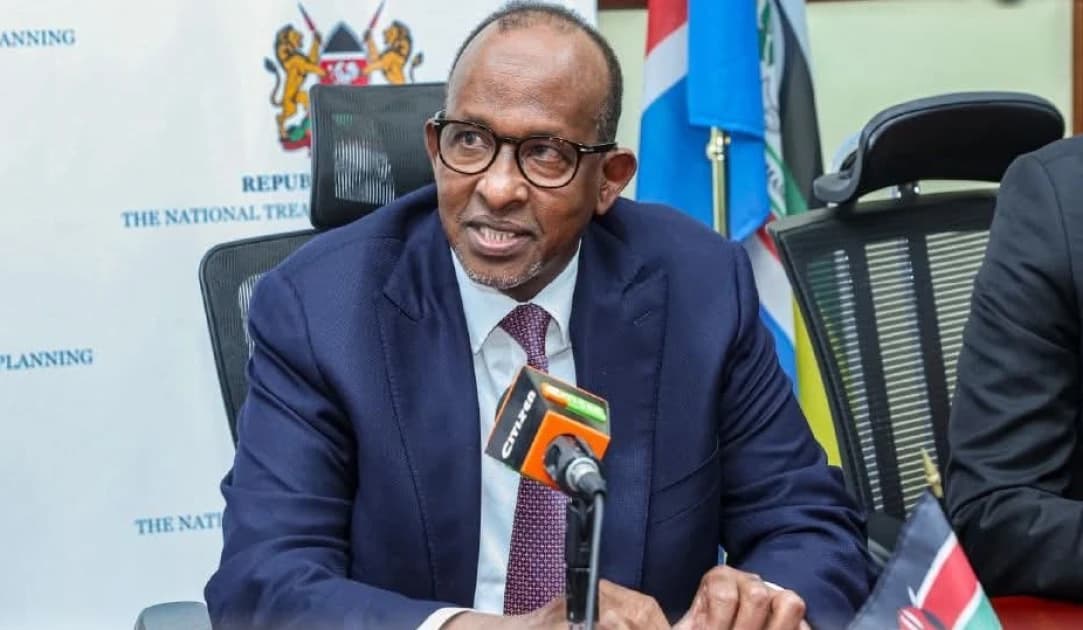
The Cabinet Secretary for Co-operatives and Micro, Small and Medium Enterprises Development, Wycliffe Oparanya, delivered the keynote address, as stakeholders discussed ways to improve journalists’ financial security and overall wellbeing.

Comments
No comments yet. Be the first to share your thoughts.