
African leaders urge regional cooperation on cross-border pandemics, local medical production

Regional bodies were encouraged to coordinate demand forecasting, joint purchasing and longer-term supply agreements, including arrangements involving more than one Regional Economic Community.
African regional organisations and development partners have called for stronger cooperation between countries, sustainable funding and increased local production of medicines and other essential health products to help the continent prepare for and respond to cross-border pandemics and other public health emergencies.
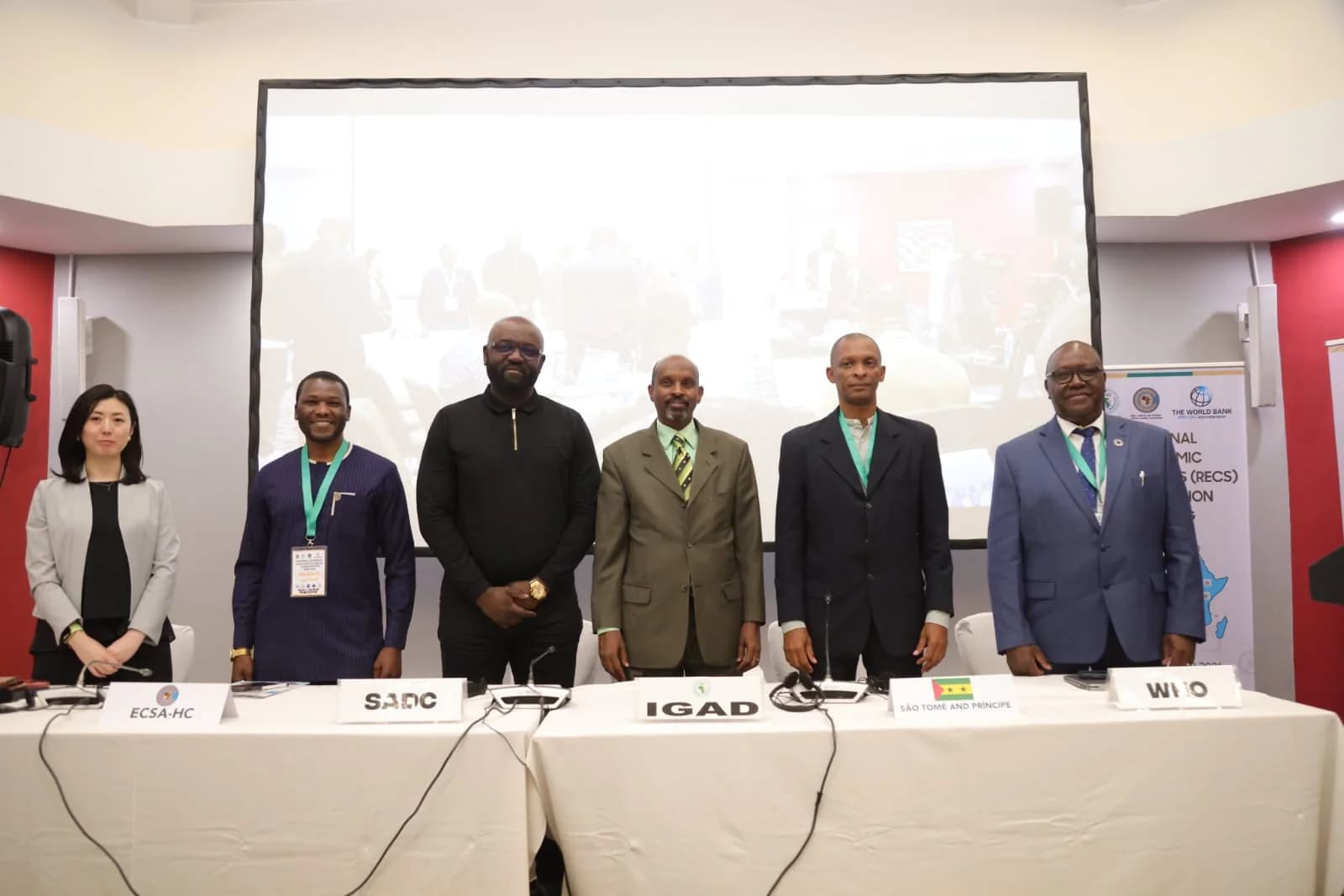
The call was made during a three-day regional meeting held in Lusaka, Zambia, from October 14 to 16, 2026. The meeting brought together five Regional Economic Communities (RECs), regional health institutions and international development partners to agree on shared priorities for strengthening health emergency preparedness, response and resilience across Eastern, Central and Southern Africa.
Participants stressed that disease outbreaks can spread beyond national borders and require coordinated action by countries and regional organisations to ensure early detection and an effective response.
Speaking on behalf of the Intergovernmental Authority on Development (IGAD) Executive Secretary, Amb. Moussa Meigague, Director of IGAD’s Health and Social Development Division, said Africa needed a coordinated approach to health security.
“Africa’s health security requires a coherent continental approach, anchored in country ownership and strengthened through regional collaboration,” he said.
He reaffirmed IGAD’s commitment to working with other regional organisations and development partners to develop a joint action framework with clear priorities, responsibilities and deadlines.
Latest Stories
- African countries could save billions by cutting air pollution and greenhouse gases at the same time
- Nominated Senator Crystal Asige joins Winnie Odinga and Jalang’o in Nairobi Senate race
- Tusker FC suffer home defeat as Singida strike puts CAF Confederation Cup hopes at risk
- Ecuadorian priest dies after giant wooden crucifix crashes down on him during live-streamed Mass
Kenya is among the 11 countries covered by the Health Emergency Preparedness, Response and Resilience Multi-Phase Programmatic Approach (HEPRR-MPA), which seeks to strengthen health systems and improve preparedness for public health emergencies across Eastern and Southern Africa.
Project coordinators from Kenya attended the Lusaka meeting, according to an IGAD report. Kenya’s involvement in the regional initiative comes amid calls for closer cooperation between neighbouring countries to address disease outbreaks that cross borders.
Through regional platforms, countries can improve disease surveillance, share information, coordinate emergency responses and strengthen access to essential medical supplies.
Kenya has also identified regional health security, epidemic preparedness and local manufacturing of health products as areas for cooperation with continental health institutions and development partners.
The Lusaka meeting’s recommendations provide an opportunity for participating countries to strengthen these efforts through joint planning, sustainable financing and closer collaboration between regional organisations.
A key recommendation from the meeting was to strengthen collaboration at the Regional Economic Community level to manage pandemics and other public health emergencies that cross national borders.
Participants called for joint planning, coordinated disease surveillance, timely sharing of information and formal cooperation agreements to help countries identify outbreaks early and respond collectively. They also urged regional organisations and participating countries to invest jointly in priority border entry points and strengthen referral systems and emergency response arrangements.
The measures are intended to improve coordination between neighbouring countries and prevent weaknesses in one country’s response from undermining health security across the wider region.
Speaking on behalf of the Minister of Health, Prof Roma Chilengi, Permanent Secretary at Zambia’s Ministry of Health, Dr Kennedy Lishimpi, stressed the importance of connecting national surveillance and emergency response systems.
“Our surveillance systems, preparedness plans, and response mechanisms must be equally interconnected and coordinated,” the Minister said.
He also highlighted the One Health approach, which recognises the links between human, animal and environmental health, as an important part of preventing and managing public health threats.
Participants recommended making cooperation between regional organisations a permanent feature of existing structures instead of allowing it to depend on individual projects.
They also called for a regional financing compact, with support from the United Nations Economic Commission for Africa (UNECA) and the World Health Organisation (WHO), to sustain health emergency preparedness and response efforts beyond current project funding.
The meeting further recommended expanding Field Epidemiology Training Programmes, joint training, simulation exercises and professional exchanges to build a skilled workforce capable of responding to emergencies across borders.
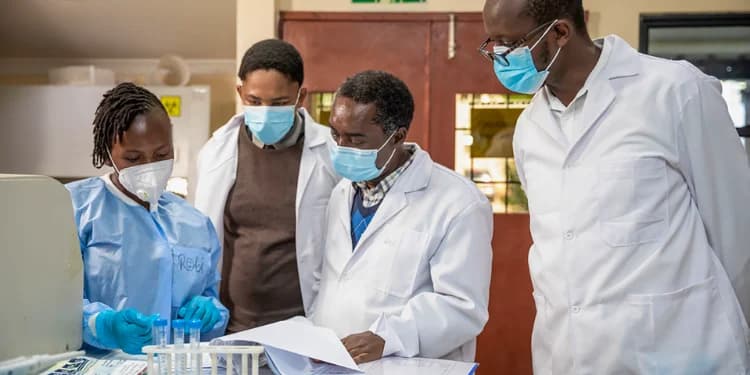
Stronger laboratory networks, improved diagnostic capacity and better links between human and animal health laboratories were also identified as priorities.
Participants called for common laboratory standards, improved cross-border sample referrals and timely sharing of laboratory data to strengthen disease surveillance, outbreak detection and efforts to tackle antimicrobial resistance.
Aya Kagota of the World Bank called for stronger cooperation among regional economic communities to better connect national and regional health systems. She emphasised the need for clear institutional responsibilities, joint programmes and coordinated action to help countries prevent, detect and respond to public health emergencies.
Increasing Africa’s ability to manufacture its own medicines, medical supplies and health technologies was another major recommendation from the meeting.
Participants called for a formal coordination platform linking regional economic communities to support local and regional manufacturing, clarify institutional responsibilities and reduce duplication of efforts. They stressed that countries should build on existing manufacturing capacity across the continent rather than invest in identical facilities that may not be commercially viable.
The recommendations also called for stronger regulatory systems, technology transfer, access to finance, workforce training and harmonised regulations to support the production and supply of quality medical products.
The African Medicines Agency (AMA), African Union agencies, WHO and regional economic communities were encouraged to strengthen their partnerships to support manufacturers through technical advice, regulatory cooperation and training.
Participants also urged Africa Centres for Disease Control and Prevention (Africa CDC) and regional organisations to identify the health products most needed during public health emergencies and link manufacturing priorities to pandemic preparedness.
For Kenya and other participating countries, stronger regional manufacturing arrangements could support more reliable access to essential medicines and health products during emergencies.
However, the meeting emphasised the need to build on existing capacity and coordinate investments across regions.
The meeting recommended that countries and regional organisations combine their purchasing power to improve access to essential medicines and emergency supplies.
Regional bodies were encouraged to coordinate demand forecasting, joint purchasing and longer-term supply agreements, including arrangements involving more than one Regional Economic Community.
Such measures could help countries benefit from economies of scale while giving local manufacturers more predictable demand, enabling them to plan production and invest in expanding their capacity.
Participants also called for joint funding proposals and closer engagement with development partners, philanthropists and private investors to finance priority manufacturing initiatives. They further recommended that manufacturing programmes include gender-responsive policies, inclusive workforce development and environmental and social safeguards.
The meeting was convened by IGAD in collaboration with the Southern African Development Community (SADC). Other regional bodies represented included the Common Market for Eastern and Southern Africa (COMESA), the East African Community (EAC) and the Economic Community of Central African States (ECCAS).
The East, Central and Southern Africa Health Community (ECSA-HC) also participated, alongside the World Bank, WHO, the African Union Commission, Africa CDC, the African Medicines Agency, the African Union Development Agency-NEPAD and the World Organisation for Animal Health.
The discussions form part of the HEPRR-MPA, which has been in effect since March 2024. The programme aims to strengthen health systems in 11 countries: Angola, Botswana, Burundi, the Democratic Republic of the Congo (DRC), Ethiopia, Kenya, Malawi, Mozambique, Rwanda, São Tomé and Príncipe, and Zambia.
A major task was to review a draft Joint Action Framework that will translate the recommendations into practical activities, with clear responsibilities, timelines, monitoring arrangements and plans for mobilising resources.
The framework is expected to be finalised within two weeks of the meeting.

Comments
No comments yet. Be the first to share your thoughts.