
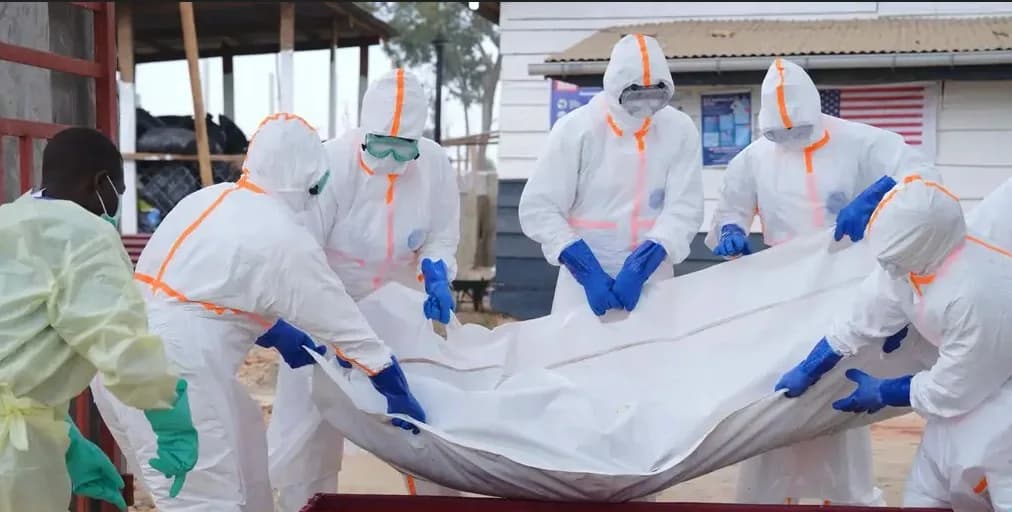
Dr Kalebi: Why untraced contacts remain a concern despite quarantine as Kenya confirms third Ebola case

The identification of secondary cases while patients are already under monitoring can therefore significantly reduce opportunities for further transmission, provided isolation and infection-prevention protocols are followed.
Pathologist Ahmed Kalebi says the detection of two secondary cases among people already under quarantine is reassuring, but warns that untraced contacts remain a major concern.
Kenya’s confirmation of a third Ebola case has heightened concerns over the potential spread of the disease, although the detection of the latest infections among people already under quarantine offers hope that containment measures are working.
Pathologist Ahmed Kalebi described the situation as concerning but pointed to an important positive sign, saying that both secondary cases were identified while the patients were already under quarantine and daily monitoring.
“The reassuring detail is that both secondary cases were detected while already under quarantine and daily monitoring,” Dr Kalebi said.
He added that this indicated that “the contact-tracing and quarantine system” was working as intended.
The latest case, according to the information provided, involves a 65-year-old woman who is a close family contact of the initial patient. She had been under quarantine since October 6 and was promptly isolated, tested and placed on supportive care after developing symptoms.
Latest Stories
- African countries could save billions by cutting air pollution and greenhouse gases at the same time
- Nominated Senator Crystal Asige joins Winnie Odinga and Jalang’o in Nairobi Senate race
- Tusker FC suffer home defeat as Singida strike puts CAF Confederation Cup hopes at risk
- Ecuadorian priest dies after giant wooden crucifix crashes down on him during live-streamed Mass
The case represents Kenya’s third reported Ebola infection and the second local transmission linked to the first imported case, according to the Ministry of Health information cited in Dr Kalebi’s statement.
Dr Kalebi explained that quarantine does not prevent an infection that has already occurred. Instead, it allows health authorities to monitor exposed individuals, identify symptoms early and isolate patients before they can infect others.
“Quarantine cannot undo an infection acquired earlier. Its purpose is to identify illness promptly, facilitate early treatment and prevent further spread,” he said.
Ebola transmission begins after symptoms develop. Consequently, contact with an infected person before the onset of symptoms does not, by itself, constitute an Ebola exposure.
The identification of secondary cases while patients are already under monitoring can therefore significantly reduce opportunities for further transmission, provided isolation and infection-prevention protocols are followed.
Despite the encouraging signs, Dr Kalebi cautioned that authorities must establish whether everyone who may have been exposed to the virus has been identified.
“The lingering concern remains any untraced contacts of the original patient,” he said.
He also highlighted the need to assess anyone who may have had unprotected exposure to either secondary case after symptoms began, including healthcare workers and quarantine personnel involved in their care or transfer.
These assessments are essential to determine whether the virus may have reached individuals outside the known contact network.
Dr Kalebi stressed that authorities must account for every contact and ensure that monitoring continues for the full 21 days after each person’s last possible exposure.
The confirmation of two secondary cases does not, on its own, establish that Ebola is spreading widely in the community.
Dr Kalebi said there was “reason for cautious reassurance” because the infections had been identified among a known group of contacts.
However, he emphasised that the country should not assume the transmission chain has been contained until potential exposures have been investigated and contacts accounted for.
Clear communication from health authorities will also be critical as the response continues.
“Clear, regular public updates remain essential,” Dr Kalebi said, emphasising the importance of keeping the public informed as new information emerges.



Comments
No comments yet. Be the first to share your thoughts.