

Health Ministry urges Muslim leaders to step up Ebola awareness campaigns as caseload hits seven

The Ministry noted that Islamic teachings on cleanliness, the preservation of life, and care for others aligned with public health efforts to prevent the spread of the disease.
The Ministry of Health has urged Imams, Sheikhs and Muslim community leaders across the country to intensify public awareness campaigns on Ebola prevention.
This comes as the Ministry of Health confirmed four new cases of Ebola, including three health workers who treated the first patient and a close male relative of the deceased, raising the total number of confirmed cases to seven.
In a statement on Saturday, October 17, the Ministry said all four patients had been in quarantine before testing positive for Bundibugyo virus disease, with the three health workers having attended to the first patient in hospital on October 3 and 4.
Health Principal Secretary Mary Muthoni, in an official address to mosque congregations dated Saturday, October 17, 2026, Health Principal Secretary Mary Muthoni urged religious leaders to use Friday sermons, congregational prayers, madrassa activities and community outreach programmes to educate worshippers about Ebola symptoms, prevention and the importance of seeking medical assistance early.
“Mosques and Islamic institutions have an important role in sharing accurate information, encouraging timely reporting and supporting affected families with compassion,” she said.
The Ministry noted that Islamic teachings on cleanliness, the preservation of life, and care for others aligned with public health efforts to prevent the spread of the disease.
Latest Stories
- Nominated Senator Crystal Asige joins Winnie Odinga and Jalang’o in Nairobi Senate race
- Tusker FC suffer home defeat as Singida strike puts CAF Confederation Cup hopes at risk
- Ecuadorian priest dies after giant wooden crucifix crashes down on him during live-streamed Mass
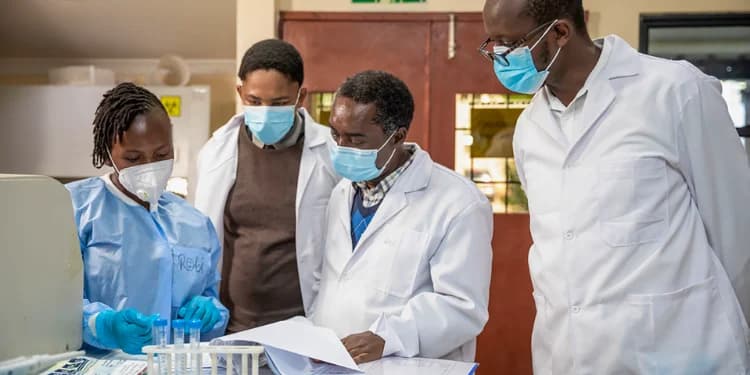
- Ebola infections among Kenyan health workers raise safety concerns after treating Patient Zero
According to the Ministry, Ebola is transmitted through direct contact with the blood or body fluids of an infected person who is sick or has died from the disease, or through materials contaminated by those fluids. The virus does not spread through the air.
Symptoms may include fever, unusual tiredness, headache, muscle or joint pain, sore throat, vomiting, diarrhoea and unexplained bleeding.
The Ministry cautioned that these symptoms can have other causes and urged anyone who may have been exposed to seek medical advice promptly rather than waiting for the illness to become severe.
“Do not wait for bleeding before seeking medical advice,” the Ministry advised.
Kenyans were also urged to maintain good hand hygiene, avoid contact with potentially contaminated materials and refrain from handling sick or dead wild animals.
Muthoni called on mosques to facilitate access to handwashing facilities and encourage worshippers who feel unwell, particularly following possible exposure, to seek medical guidance before attending congregational activities.
People who have been in contact with suspected or confirmed Ebola patients were advised to report promptly to health authorities, even if they felt well.
The Ministry said identified contacts should follow daily symptom-monitoring instructions for 21 days after their last possible exposure.
Kenya has reported three linked cases of Bundibugyo virus disease and one death, according to the Ministry.
The second and third cases were identified while the patients were in quarantine and under daily monitoring. The Ministry said there was no evidence of wider community transmission
People seeking guidance on suspected Ebola cases have been advised to call the Ministry of Health's toll-free hotline, 719. Other channels include USSD code *719#, the Jali WhatsApp Assistant on 0700 719 719 and the Ministry's website, www.health.go.ke.

Comments
No comments yet. Be the first to share your thoughts.