
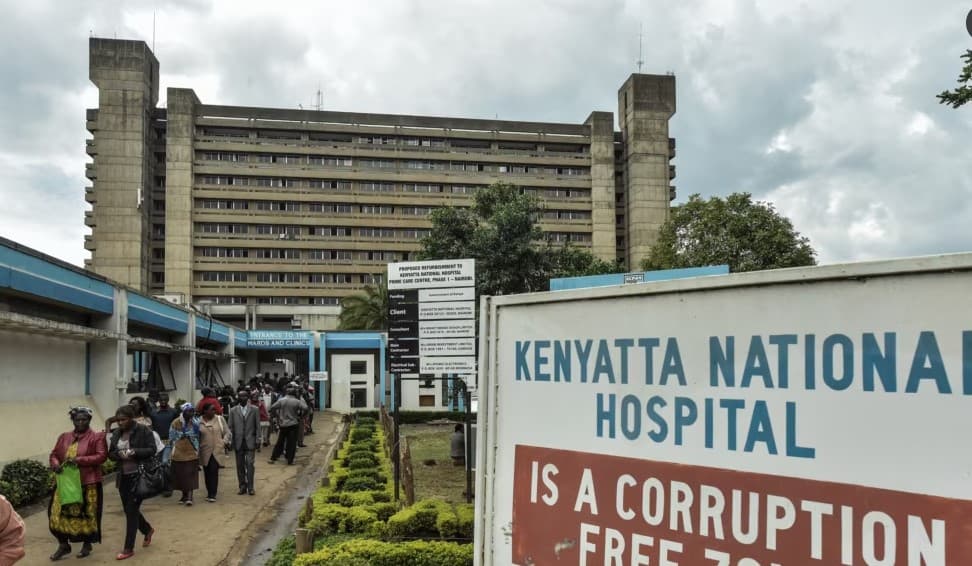
KNH explores DNA sequencing technology to enhance cancer care

The technology could strengthen cancer care, improve the diagnosis of inherited conditions and support reproductive health services.
Kenyatta National Hospital (KNH) is exploring Next-Generation Sequencing (NGS), a technology that analyses DNA to identify genetic changes linked to certain diseases.
According to Dr Rose Nyabanda, KNH's Director of Diagnostic Services, the technology could strengthen cancer care, improve the diagnosis of inherited conditions and support reproductive health services.
“This will go a long way in improving cancer care for patients and giving them a good quality of life,” Dr Nyabanda said during an engagement with Thermo Fisher Scientific, noting that the technology could enhance cancer care and improve patients' quality of life.
She emphasised the need for research to generate local data that can guide treatment decisions and health policies. Such evidence could help clinicians better understand how genetic findings apply to Kenyan patients.
Unlike tests that identify a disease primarily through its symptoms, genetic sequencing can provide information about changes in a patient's DNA. In cancer care, it can reveal genetic alterations in tumours that may help doctors identify targeted therapies.
These treatments are designed to act on specific features of cancer cells. By understanding the genetic profile of a tumour, doctors can assess whether a patient is likely to benefit from a particular therapy rather than relying solely on standard treatment options.
Latest Stories
- African countries could save billions by cutting air pollution and greenhouse gases at the same time
- Nominated Senator Crystal Asige joins Winnie Odinga and Jalang’o in Nairobi Senate race
- Tusker FC suffer home defeat as Singida strike puts CAF Confederation Cup hopes at risk
- Ecuadorian priest dies after giant wooden crucifix crashes down on him during live-streamed Mass
However, not all cancers have genetic changes that can be targeted with available medicines. Test results must be interpreted alongside other clinical findings, and access to appropriate treatments remains essential.
The technology could also help couples undergoing in-vitro fertilisation (IVF), in which eggs are fertilised outside the body before an embryo is transferred into the uterus. Genetic testing can be used to screen embryos for certain inherited conditions or chromosomal abnormalities, depending on the test performed.
This information can help fertility specialists and couples make informed decisions about which embryos to consider for transfer. Screening does not guarantee a successful pregnancy or eliminate all risks of genetic disease.
NGS can also support the diagnosis of inherited conditions by identifying genetic changes that may run in families. Earlier and more accurate diagnoses can help patients receive appropriate care and enable families to seek genetic counselling and better understand potential risks to their children.
Despite its promise, expanding access to genetic testing will require investment in laboratory equipment, specialised training and the capacity to interpret results. The cost of testing and access to medicines recommended by the results could also determine how many patients benefit.



Comments
No comments yet. Be the first to share your thoughts.