

When Geoffrey Hinga was first diagnosed with epilepsy at the age of 12, his mother was thrown into panic. Desperate to find an explanation for her son’s condition, she moved from one church to another and from one herbalist to another, hoping someone would offer a solution.
Believing his illness could be a curse, she explored different remedies; there was hardly a concoction he did not drink, as they struggled to understand what was happening to him.
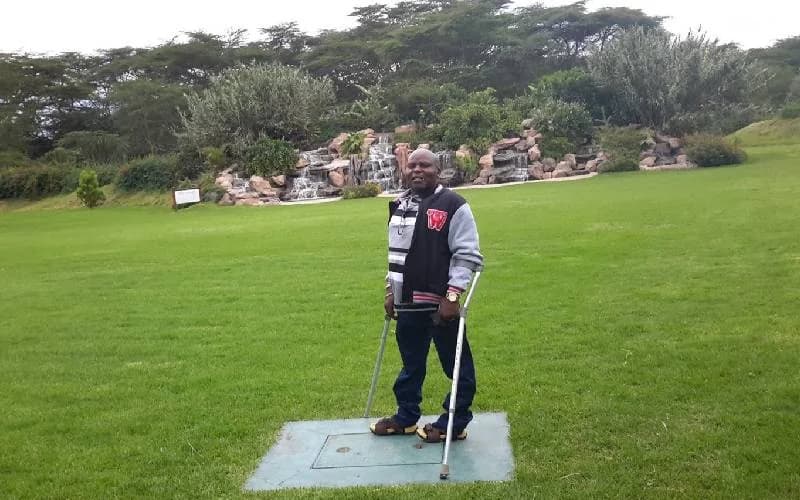
Now 32, Hinga, a hairdresser and beautician, remembers how difficult it was to understand the sudden changes in his body.
His father died when he was in Standard Eight, and Hinga believes the emotional shock around that period may have contributed to the onset of his seizures, although the cause of his epilepsy was never established.
As he progressed through school, the seizures became more serious. Some classmates avoided him. Years later, the fear remains, particularly when he is out on the streets.
“When you have a seizure on the road, you are completely vulnerable. Some people take advantage of you and steal from you, while others just stand there because they do not know how to help. I have fallen on the road and hurt myself badly,” he says.
For Hinga, the danger is not only the seizure itself but also how people react when they witness one.
Fear, misinformation and stigma can turn a medical emergency into an experience of humiliation and isolation.
In some communities, epilepsy is still associated with curses, witchcraft or supernatural forces. Such beliefs can lead families to conceal a diagnosis, seek help from unqualified practitioners or delay taking a loved one to a health facility. Others avoid discussing the condition because they fear rejection.
Hinga’s early experiences of seeking medical care were also difficult. He was eventually referred to Kenyatta National Hospital, where the cost of medication became a challenge for his family.
He also experienced side effects, including pain around the kidney area and redness in his eyes, while continuing to experience seizures. At the time, he says, he had not yet understood the factors that could trigger them.
A turning point came when a family friend referred him to the Kenya Association for the Welfare of People with Epilepsy (KAWE). There, he received counselling, joined a support group and accessed more affordable medication.
Before his seizures came under control, Hinga could experience as many as three in a day or ten in a week. Today, he says he has gone nearly two years without a seizure but continues to take his medication.
“I have learned that epilepsy is something you can manage with the right treatment and support. Going for a long time without seizures does not mean you should stop taking your medicine on your own. You need to follow your doctor’s advice because the seizures can return,” he says.
Hinga has learnt to watch for sleep deprivation and stress, which can trigger seizures.
He urges parents to support children with epilepsy rather than hide them out of fear of stigma. He shares his experiences on social media to raise awareness and encourage others living with the condition.
Creating awareness
For Nicolas Otieno, a clinical epileptologist at KAWE, calls for public education, training health workers, affordable treatment, and an end to the stigma as measures to help improve epilepsy care.
Epilepsy is a neurological condition characterised by a tendency to experience recurrent, unprovoked seizures. A seizure occurs when there is a sudden burst of abnormal electrical activity in the brain, temporarily affecting a person’s movements, awareness, behaviour or sensations.
Seizures vary: some cause falls, loss of consciousness and jerking, while others involve brief staring, unresponsiveness or repetitive movements.
Focal seizures begin in one area of the brain, while generalised seizures involve both sides. Medical assessment is essential because not every seizure means epilepsy, and treatment depends on the cause and type.
Otieno says awareness should begin at the community level and extend to health facilities. Healthcare workers, particularly those in primary care, need regular training to recognise possible seizures, make appropriate referrals and help patients manage their condition.
“Without resources to support diagnosis and treatment, public awareness alone cannot close the gap between recognising a problem and receiving appropriate care,” says Otieno.
What to do in case of seizure
A person witnessing a seizure should remain calm, move dangerous objects away, and place something soft under the person’s head to reduce the risk of injury. Tight clothing around the neck can be loosened, but the person should not be restrained or forced to stand.
Nothing should be put into the person’s mouth. Contrary to a common misconception, a person having a seizure cannot swallow their tongue, and inserting a spoon, stick, or fingers into the mouth can cause injury. Food, water and oral medication should not be given while the seizure is happening.
After the seizure, gently turn the person onto their side if they are not fully conscious but breathing normally, and stay with them until they recover.
Seek emergency help if the seizure lasts five minutes or more, repeats without recovery, causes breathing difficulties or serious injury, or is the person’s first seizure. Seizures in water or during pregnancy also require urgent medical attention.
Diagnosis can be complicated by limited access to specialists and investigations. Dr Symon Kariuki, an epilepsy expert at the Kenya Medical Research Institute (KEMRI), says some people can also develop epilepsy years after a head injury.
A person may sustain an injury and only begin experiencing seizures several years later. By then, they may have forgotten the incident or may not mention it when asked about the possible cause of their condition. This can make it harder for clinicians to identify the origin of the seizures.
CT scans and MRI help doctors investigate epilepsy, but Kariuki says these services and specialised training are limited, especially in rural areas.
Missed diagnoses and stigma further prevent cases from being recorded accurately, leaving gaps in health data that policymakers need to plan services and allocate resources.
He also warns that epilepsy can sometimes resemble a mental health condition. Certain focal seizures, including those associated with the temporal lobe, may involve unusual sensory experiences, changes in awareness or behaviour.
A person may report hearing sounds or voices, seeing things others cannot confirm, or experiencing smells and tastes that are not present.
Epilepsy and mental health conditions can also occur together, making careful diagnosis and coordinated treatment important.
People may additionally live with conditions such as depression, diabetes or hypertension, which can complicate care. Some medicines can interact with antiseizure medication or affect seizure control, so clinicians need to consider a patient’s full medical history and review their treatment.
Epilepsy can also affect memory, learning and communication, while stigma may limit access to education, jobs and relationships. However, Kariuki cautions against assuming that everyone with epilepsy has intellectual difficulties or cannot succeed academically or professionally.
Kariuki also notes that flashing lights can trigger seizures in some people with photosensitive epilepsy, although this sensitivity does not affect everyone with the condition.
Sleep deprivation, missed medication and alcohol may also worsen seizure control in some people. Understanding individual triggers and following medical advice are therefore important.
Treatment can help many people control their seizures, but not everyone responds to the first medication or treatment plan.
Kariuki estimates that around 70 per cent of people with epilepsy respond to treatment, while about 30 per cent may continue experiencing seizures despite medication
Nearly two million Kenyans may be living with epilepsy, yet the majority remains undiagnosed and untreated due to stigma.


Comments
No comments yet. Be the first to share your thoughts.