
Poorer, less-educated people face greater barriers to chronic disease care, WHO report finds

WHO report finds that income, education, gender, age and location determine access to chronic disease prevention, screening and treatment, with disadvantaged groups facing the greatest barriers.
Poorer and less-educated people face greater barriers to preventing and treating chronic diseases, with inequalities also shaped by gender, age and place of residence, according to a World Health Organisation (WHO) report released on Tuesday.
The agency’s first global assessment of inequalities in noncommunicable diseases (NCDs) found that people with less education are more likely to have high blood pressure and diabetes in low- and middle-income countries. Poorer and less-educated women are also less likely to undergo cervical cancer screening.
Education levels are similarly linked to tobacco use, with men who have less education more likely to use tobacco than those with higher levels of education.
The report draws on national data collected over the past decade to assess inequalities in cancer, cardiovascular diseases, chronic respiratory diseases and diabetes. It also examines risk factors, including tobacco and alcohol use, obesity, unhealthy diets, physical inactivity and air pollution.
Where people live affects access to care
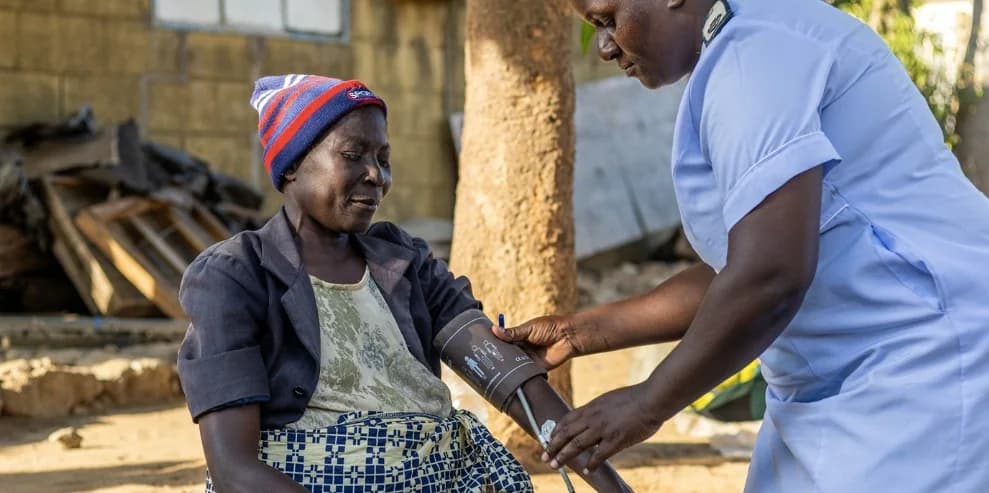
Beyond income and education, geographical location can influence access to healthcare. In many low- and middle-income countries, rural residents have less access to high blood pressure diagnosis and treatment, as well as cervical cancer screening, than their urban counterparts.
Latest Stories
- Palestinian citizens face a painful choice in Israel’s election: To vote or not
- Rabat to host FIFA Women’s World Cup 2027 play-offs as Ghana and South Africa chase qualification
- 153 dead, 8,000 displaced after drone attack on Sudan-South Sudan border market in disputed Abyei region
- Nigeria confirms Ebola case in Abuja after woman arrives from Uganda
Exposure to air pollution also varies by location. The report notes that rural households may face higher levels of pollution from cooking and other household activities, while urban populations may be more exposed to outdoor air pollution.
Age and gender shape health risks
The assessment also highlights differences in health risks and access to care across age groups. Younger adults with high blood pressure are less likely to be diagnosed and treated than older adults.
Physical inactivity tends to increase with age, while obesity is more common among people aged 40 to 70. Women are also less likely to engage in sufficient physical activity, and obesity is more prevalent among women in low- and middle-income countries.
WHO further found that people with disabilities may face difficulties accessing screening and treatment, while migrants can encounter financial, administrative and language barriers to healthcare. Unemployment is also associated with higher levels of insufficient physical activity.
WHO calls for targeted interventions
The agency said governments could use the findings to identify populations being left behind and direct prevention programmes and healthcare services towards those facing the greatest barriers.
“Inequality data are not simply about documenting differences – they are a tool for action,” said Alain Labrique, director of WHO’s Data, Digital Health, Analytics and AI Department.
WHO called for improved collection of data on health inequalities and wider access to proven prevention measures, screening, diagnosis and treatment, particularly for underserved populations.

Comments
No comments yet. Be the first to share your thoughts.