
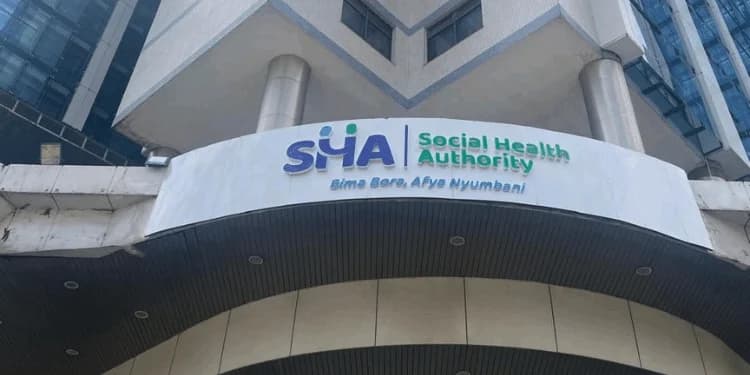
Healthcare providers across Kenya have been told to complete new contracts with the Social Health Authority (SHA) by Wednesday or lose the ability to treat patients covered by the national scheme.
Current agreements expire at 11:59 pm on September 30, 2026.
“The Social Health Authority notifies all healthcare providers/healthcare facilities that current provider contracts will expire on September 30, 2026 at 11:59 pm,” the authority said in a notice.
Facilities without a signed contract for the 2026–2029 cycle will be barred from offering services to SHA beneficiaries from October 1 and will have their access to the authority’s provider portal switched off, according to a notice issued by SHA chief executive Dr Mercy Mwangangi.
Providers who have not finished the process have been advised to arrange the transfer of patients receiving ongoing care to contracted facilities to avoid interruptions in treatment.
New three-year contracting cycle
The deadline marks the end of SHA’s inaugural provider contracting cycle and the beginning of a new arrangement running from October 1, 2026, to June 30, 2029.
The new framework, known as HAKIKA, was launched on September 18 together with a digital E-Contracting Platform.
HAKIKA is the framework SHA is using to set out clearer rules for its relationship with healthcare providers, including healthcare benefits, reimbursement, quality standards and dispute resolution. The Ministry of Health says it is designed to improve transparency and make payments and contractual obligations more predictable.
The new contracts cover healthcare services financed through the Primary Health Care Fund (PHCF), Social Health Insurance Fund (SHIF), Emergency, Chronic and Critical Illness Fund (ECCIF) and Public Officers Medical Scheme Fund (POMSF).
Hospitals move to online contracting
SHA’s new E-Contracting Platform is intended to replace much of the paperwork involved in the contracting process.
Facilities can use the system to submit applications, upload supporting documents, verify licences, complete and sign contracts, and track the progress of their applications.
The platform says facilities can also enter service details, banking information and tariffs before submitting contracts for approval.
The digital system is part of a broader effort to address problems reported during the first SHA contracting cycle, including concerns over claims processing, payment delays, pre-authorisation and system reliability.
The Ministry of Health said HAKIKA was developed in response to those concerns and would provide clearer contractual terms, including reimbursement arrangements and mechanisms for resolving disputes.
What the deadline means for patients
For patients, the contracting exercise matters because it determines which hospitals, clinics and other healthcare facilities can provide services financed through SHA.
A facility that does not complete the new contracting process by the deadline will no longer be part of the authorised provider network for the new cycle.
This means patients undergoing treatment at facilities that fail to secure new contracts may have to move their care to another contracted facility.
The government has previously said that only facilities within the SHA network can provide services financed under its various schemes. In April, for example, the Ministry said only contracted facilities would provide services under the Public Officers Medical Scheme Fund.
The latest contracting cycle therefore comes at a critical point for both hospitals and patients as SHA seeks to establish a larger and more digitally managed healthcare financing system.

Comments
No comments yet. Be the first to share your thoughts.