
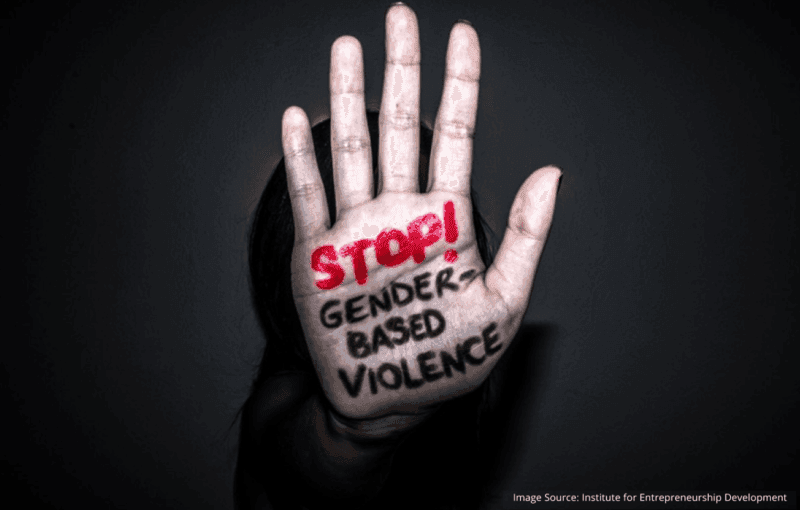
Study reveals hidden barriers facing sexual violence survivors seeking help

The findings point to the need for services that respect different identities and experiences, protect confidentiality and allow survivors to make informed decisions without feeling pressured.
Nearly one in three women worldwide has experienced physical or sexual violence from an intimate partner, or sexual violence from someone else, at some point in her life, according to the World Health Organisation (WHO).
Men and boys are also affected, with the United Nations Children's Fund (UNICEF) estimating that between 410 million and 530 million boys and men alive today experienced sexual violence during childhood.
Yet many survivors struggle to seek help. Fear of being blamed, disbelieved or exposed can prevent them from reporting abuse. Others worry that recounting their experiences will force them to relive the trauma or expose them to further harm.
A study published in the journal Violence Against Women examines why survivors may hesitate to seek help, finding that the very systems meant to protect them can sometimes become another source of distress.
The researchers developed a framework called the "Survivors' Calculus" to explain how survivors weigh the potential benefits of seeking help against the risks, including loss of privacy, stigma, emotional distress and the possibility of being let down by institutions.
The study drew on responses from students who had experienced sexual violence. It explored their experiences with support services and the factors that influenced their decisions to report an assault or seek professional help.
Latest Stories
- Plain-clothes officers among security personnel deployed in Eldoret ahead of Mashujaa Day
- Mama Lucy Hospital probes death of mother receiving maternity care
- Court allows Rose Mbithe, children to question David Ndetei over affidavit in Victoria Mutiso murder case
- Justice Diana Kavedza recounts Mackenzie's claims against formal education
Sara Wilf, the lead author and an assistant professor in George Mason University's Department of Social Work, said survivors often have to navigate structural barriers while still coping with the immediate effects of sexual violence.
"We created the Survivors' Calculus to describe how, from the moment a survivor experiences sexual violence, they face structural barriers to accessing resources that will be safe and helpful for them, all while dealing with the initial trauma," Wilf said.
The framework highlights that seeking help is rarely a simple decision. Survivors may have to consider whether they will be believed, whether their information will remain confidential and whether reporting could expose them to further emotional or social harm.
The researchers identified four key areas that influence survivors' decisions: coming to terms with what happened and considering whether to report it; seeking emotional and professional support; accessing practical assistance while protecting their privacy; and navigating formal reporting systems, including university offices and the police.
For some survivors, reporting means answering difficult questions, repeating painful details and explaining their experiences to people they may not know or trust. If the process feels insensitive or dismissive, it can deepen their distress instead of helping them recover.
The study found that some survivors felt formal reporting systems prioritised investigating allegations and punishing perpetrators over meeting survivors' emotional needs. This can leave survivors feeling that their wellbeing has been overlooked.
Fear of not being believed is another barrier. Survivors may also worry about how family members, friends, classmates or colleagues will react if their experiences become known. Concerns about confidentiality can make seeking help feel risky, particularly when survivors depend on the same institutions for education, employment or other essential services.
As a result, some may delay seeking assistance or avoid formal reporting channels altogether, even when they need emotional support, medical care or help understanding their options.
Fear of discrimination, negative experiences with institutions and concerns about whether service providers would understand their circumstances can also make it harder for survivors to approach formal systems.
The findings point to the need for services that respect different identities and experiences, protect confidentiality and allow survivors to make informed decisions without feeling pressured.
The researchers argue that survivors should not be left to navigate complicated institutional procedures on their own while coping with trauma. Instead, services should be coordinated so that people can access the support they need without repeatedly explaining their experiences or struggling to find the right contact.
The Survivors' Calculus framework is intended to help policymakers, education leaders, social workers and community organisations understand why survivors may avoid reporting violence and how support systems can respond more effectively.
The researchers said a coordinated, trauma-informed approach could make services easier to access and reduce the burden placed on survivors. They also highlighted the importance of confidential advocates who understand and share survivors' identities and experiences where possible.
"Our findings, particularly in advancing a wraparound approach to supporting survivors and highlighting survivors' desire for confidential advocates who share their important identities, can directly support policymakers, education leaders, social workers, and community organisations in ensuring survivors are not shouldering the burden of navigating resources on their own," Wilf said.
The study also notes that sexual violence remains a major concern on United States college campuses, where about one in four undergraduate students report having experienced it. Its effects can extend beyond the immediate assault, affecting survivors' mental health, relationships and academic performance.
Although the research focused on students in the University of California system, its findings raise broader questions about how institutions respond to sexual violence and whether survivors feel safe seeking assistance.
The researchers emphasise that support must go beyond encouraging survivors to report. Institutions also need to protect privacy, provide practical and emotional assistance, and ensure survivors are treated with dignity throughout the process.

Comments
No comments yet. Be the first to share your thoughts.