

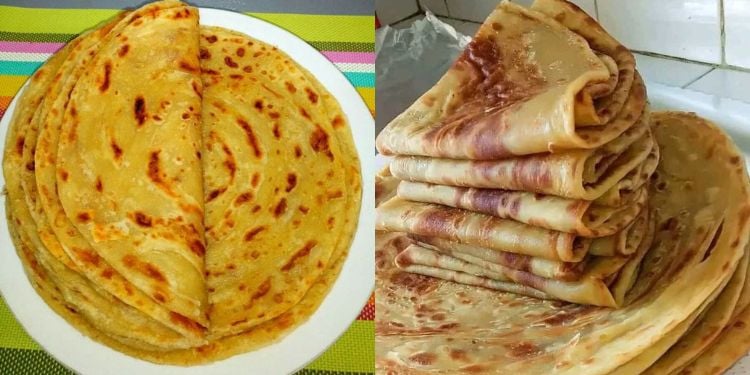
Soft, flaky layered chapatis are a favorite in many homes, but getting the perfect texture often comes down to technique rather than ingredients.
With a few simple steps, you can make chapatis that are tender, well-layered, and stay soft even after they have cooled.
The recipe starts with basic ingredients:
- Three cups of wheat flour.
- One teaspoon of salt.
- One to two tablespoons of sugar, optional.
- Three to five tablespoons of cooking oil.
- About one to 1.25 cups of warm water, added gradually.
Once the ingredients are ready, these five tips can help improve the final result.
1. Start With a Soft, Well-Kneaded Dough
The foundation of every soft chapati is the dough.
“Kneading is an important and necessary step in most yeasted bread recipes, how to do it properly, and how to know when your dough has been kneaded long enough and is ready to rise,” notes Sally’s Baking 101 Cookbook.
Mix the flour, salt, and sugar before rubbing in the cooking oil with your fingers.
Add warm water little by little while kneading until the dough becomes soft, smooth, and no longer sticky.
Avoid making the dough too dry, as this can result in hard chapatis.
Continue kneading for several minutes until it becomes elastic, allowing the gluten to develop and making the dough easier to roll.
2. Give the Dough Enough Time to Rest
Once the dough is ready, cover it and let it rest for between 30 minutes and two hours.
Resting allows the dough to relax, making it softer and easier to roll without shrinking.
After dividing the dough into equal balls and shaping the layers, allow the coiled dough to rest again for another 10 to 15 minutes before the final rolling.
This second resting period helps maintain the layered texture during cooking.
3. Create the Layers Properly
To achieve flaky chapatis, roll each dough ball into a flat circle before brushing the surface lightly with oil.
Roll the dough into a strip, then coil it into a spiral.
Once rested, gently roll the spiral into the final chapati. This method creates multiple thin layers that separate slightly during cooking, producing the soft, flaky texture many people prefer.
4. Cook on a Properly Heated Pan
Heat the pan before placing the chapati on it. A hot cooking surface allows the dough to cook quickly, forming bubbles and golden brown spots without drying out.
“The tava should be hot to make soft chapati and it takes less than 2 mins to cook a chapati on both sides,” advises Sandhiya’s cookbook.
Flip the chapati as each side cooks and brush lightly with oil where needed.
Cooking on a cold pan can cause the dough to lose moisture before it cooks properly, resulting in a tougher texture.
5. Keep the Chapatis Covered After Cooking
After removing each chapati from the pan, stack it immediately in a clean kitchen towel or place it in a covered container.
Covering the chapatis traps steam, helping them remain soft and flexible for longer.
This simple final step prevents moisture loss and keeps the chapatis fresh until they are ready to be served.
By following these five simple techniques from preparing a soft dough and allowing enough resting time to creating proper layers, cooking on a hot pan, and covering the chapatis immediately after cooking, you can consistently make soft, flaky layered chapatis using everyday kitchen ingredients.
Follow our WhatsApp Channel and X Account for real-time news updates.



Comments
No comments yet. Be the first to share your thoughts.