

Kenya is set to take a major step in strengthening its standing within the African Union (AU) after plans for the construction of a new AU campus in Nairobi were unveiled. Once complete, the Campus will be the first facility outside the organization’s headquarters in Addis Ababa, Ethiopia.
The development is expected to cement Nairobi’s position as one of Africa’s leading diplomatic centers and deepen Kenya’s influence in continental affairs.
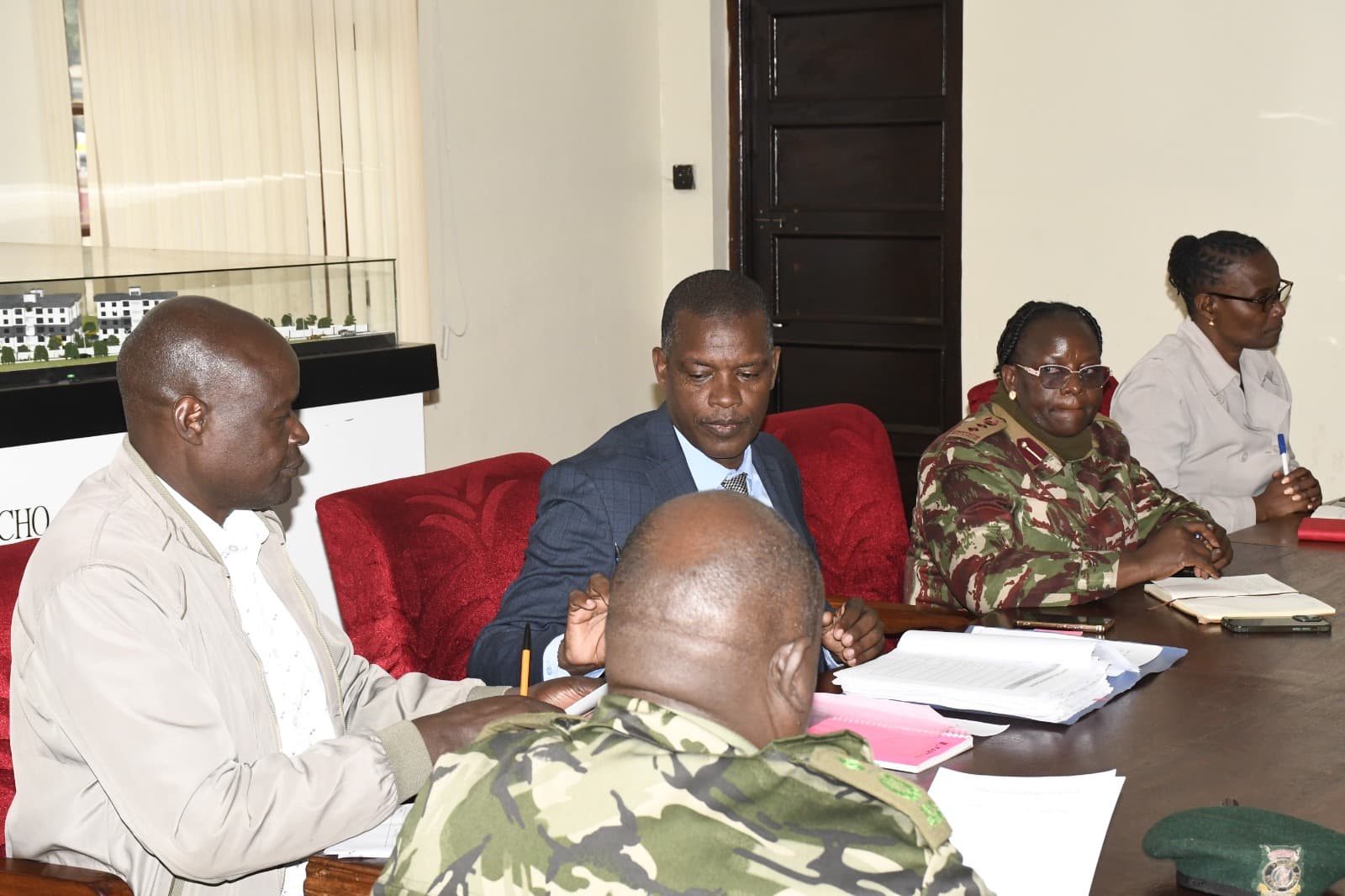
The project came into focus after Principal Secretary for Livestock Development Jonathan Mueke and Dr Huyam Salih, Director of the African Union Inter-African Bureau for Animal Resources (AU-IBAR), visited the construction site of the proposed campus in Upper Kabete.
According to government officials, the campus will bring together five African Union institutions currently operating from different locations across Nairobi.
Once completed, it will serve as a central hub for AU operations in Kenya and enhance coordination among the agencies.
The Government of Kenya has pledged support towards the successful completion of the project, describing it as a strategic investment that will reinforce Nairobi’s role as a host city for international organizations and diplomatic missions.
Growing Diplomatic Influence
According to Sing’Oei, the planned AU campus represents a significant milestone for Kenya’s foreign policy ambitions and its long-standing relationship with continental institutions.
For decades, Addis Ababa has served as the undisputed political capital of the African Union, hosting the AU Commission headquarters and many of the body’s major activities.
Nairobi, however, has steadily grown into a key diplomatic city, hosting numerous United Nations agencies, regional organizations and international development institutions.
The establishment of an AU campus in the Kenyan capital is therefore being viewed as a recognition of Nairobi’s increasing importance in regional and continental governance.
Officials say the new facility will improve collaboration between AU agencies by housing them within a single complex, reducing operational fragmentation and encouraging the sharing of resources.
Institutions expected to be accommodated at the campus include AU-IBAR, the Pan African University Institute for Basic Sciences, Technology and Innovation, the AU Institute for Remittances, the AU Development Agency’s Eastern Africa Regional Office and the African Union Transition Mission in Somalia.
The campus is also expected to attract experts, researchers and policy specialists from across Africa, further enhancing Nairobi’s reputation as a center for innovation, research and diplomacy.
The African Union – InterAfrican Bureau for Animal Resources (AU-IBAR)
The African Union–InterAfrican Bureau for Animal Resources (AU-IBAR) is a specialized technical office of the African Union Commission headquartered in Nairobi, Kenya.
Established in 1951 as the InterAfrican Bureau of Epizootic Diseases (IBED), it was originally tasked with combating rinderpest and other livestock diseases across Africa before its mandate was expanded to cover all animal resources.
AU-IBAR operates under the AU Commission’s Department of Agriculture, Rural Development, Blue Economy and Sustainable Environment and is led by Director Dr Huyam Ahmed Salih.
It provides continental leadership in the development and sustainable management of livestock, fisheries, aquaculture, wildlife and apiculture resources.
Its mandate includes controlling transboundary animal diseases and zoonoses, improving animal health and welfare, promoting livestock productivity, supporting fisheries and aquaculture development, enhancing wildlife management, strengthening trade in animal products, harmonizing policies and regulations, building institutional capacity, and providing technical support to AU member states.
AU-IBAR works closely with Regional Economic Communities, governments, research institutions, development partners and the private sector to improve food security, nutrition, rural livelihoods and economic growth across Africa.
Its vision is an Africa where animal resources contribute significantly to integration, prosperity and peace.
Follow our and X Account for real-time news updates.



Comments
No comments yet. Be the first to share your thoughts.