
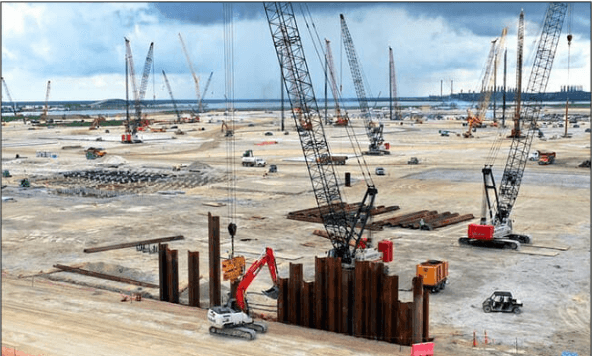
The Golden Pass LNG export terminal in Jefferson County, Texas, has entered its operational rollout after shipping its first liquefied natural gas cargo on April 22, 2026. The milestone followed first LNG production from Train 1 in March 2026, marking a major step toward bringing the approximately $10 billion export facility online. Golden Pass LNG is now targeting further commissioning progress across its remaining liquefaction trains, with Train 2 expected to start up in the second half of 2026 and Train 3 in the first half of 2027.
Golden Pass LNG Export Terminal Progress and Construction Status
The Golden Pass LNG export terminal is located approximately 10 miles south of Port Arthur, Texas, along the Sabine-Neches Waterway. The project is a joint venture between QatarEnergy, which holds a 70% stake, and ExxonMobil, which owns the remaining 30%.
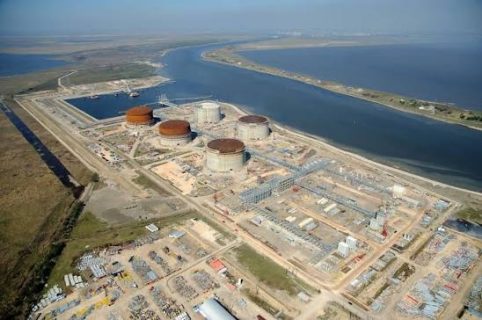
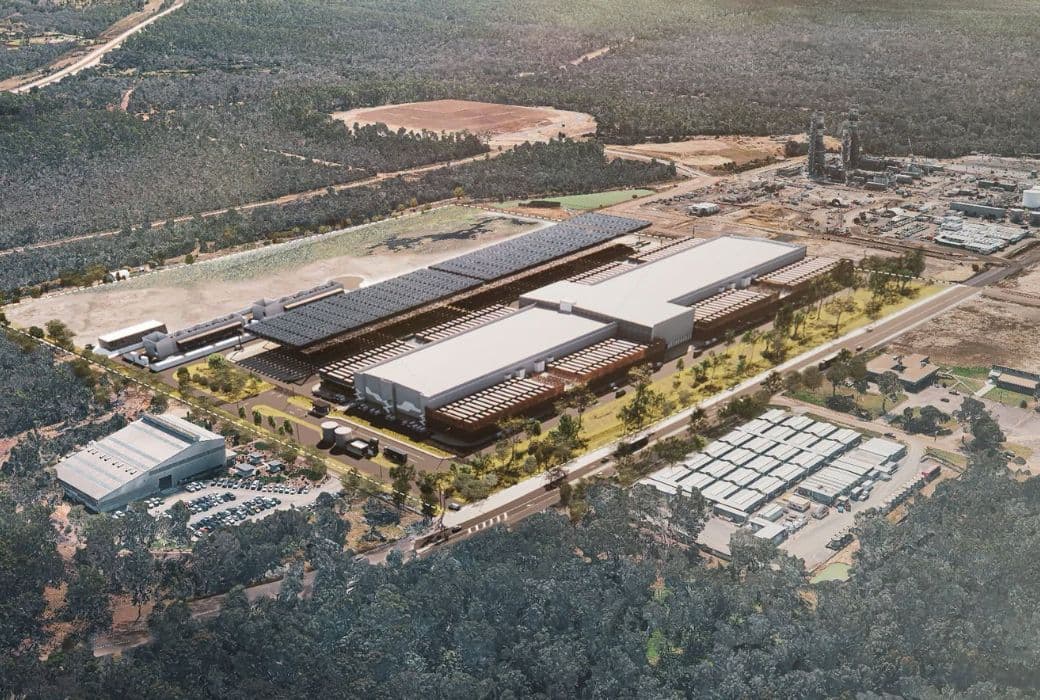
The developers are expanding an existing LNG import terminal to enable large-scale exports to international markets. The project includes three liquefaction trains with a combined planned capacity of approximately 18 million tonnes per annum.
The first export cargo marked an important transition from construction and commissioning toward commercial operations. However, the developers must continue commissioning the remaining trains before the facility reaches its full planned capacity.
Construction encountered significant disruption in 2024 when lead contractor Zachry Holdings entered bankruptcy proceedings. The setback forced the project owners and remaining contractors to reorganize construction responsibilities and work toward completing the facility.
The owners subsequently continued construction with a revised delivery approach. The project’s first LNG production and export shipment in 2026 demonstrate progress following those earlier challenges.
Golden Pass LNG Export Terminal Infrastructure and Capacity
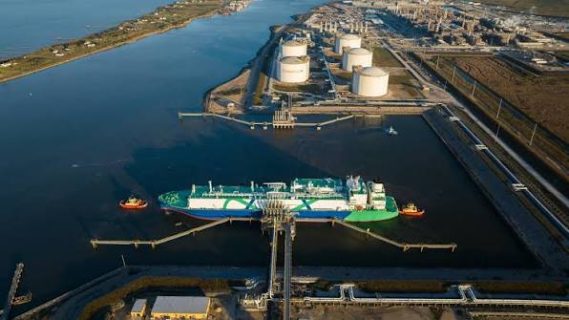
The terminal comprises three liquefaction trains, each designed to produce approximately 5.2 million tones of LNG annually. Together, the trains will provide a planned capacity of around 18 million tones per annum.
In addition, the development incorporates existing LNG storage tanks, marine berths, gas supply pipelines and supporting utilities. These facilities will support the processing, storage and loading of liquefied natural gas onto specialized carriers.
The project also relies on an extensive natural gas supply network. Its associated pipeline infrastructure can transport feed gas from producing regions to the export facility, supporting continuous liquefaction and shipment operations.
Meanwhile, the terminal’s marine facilities provide access to international shipping routes through the Sabine-Neches Waterway. Once all three trains operate, Golden Pass will become a significant contributor to US LNG export capacity.
The project forms part of wider investment in Gulf Coast energy infrastructure. Another development advancing through the federal approval process is the ST LNG deepwater port project, an $8.2 billion offshore export facility planned near Matagorda, Texas. The ST LNG deepwater port project’s federal license approval and planned construction highlight a separate expansion of Texas LNG export infrastructure, with construction expected to begin in 2027.
Golden Pass LNG Export Terminal Targets Full Operations
The remaining construction and commissioning programme will determine how quickly the terminal reaches its full export capacity. Train 2 has a targeted startup in the second half of 2026, while Train 3 is expected to follow in the first half of 2027.
As these milestones approach, project teams must complete equipment testing, systems integration and operational readiness activities. The successful performance of each train will influence the facility’s overall production and export capability.
Golden Pass has already demonstrated its ability to produce and ship LNG through Train 1. However, achieving the full 18 million-tonne annual capacity depends on completing and commissioning the remaining units.
Features of the Golden Pass export terminal project
The Golden Pass export terminal project will cover the development of three 5.2 million tons per annum (Mtpa) liquefaction trains, a supply Dock and marine delivery facility, a refrigerant and condensate storage tank, and a truck unloading facility. In addition, the project will also include a feed gas pre-treatment plant, which comprises a heavy Hydrocarbon removal system and an amine system. The turbo-machinery unit for the liquefaction trains will also consist of 12 centrifugal compressors and 6 gas turbines.
The 16 Mtpa Golden Pass export terminal will have an operational life of about 25 years and LNG from this facility will be exported to various countries having FTA with the US, such as Canada, Australia, Mexico, Israel, Korea, and several others. In addition, a 20-year agreement was signed for Golden Pass Products to deliver 340,000 dekatherms per day (Dth/d) of gas to the Natural Gas Pipeline Company of America (NGPL), and another 20-year agreement was also signed for the delivery of 1.1 million Dth/d of gas to the Enable Gulf Run Transmission.
The contractors working on the export terminal project include a joint venture of Chiyoda International, McDermott International, and Zachary Group, who will be handling the engineering, procurement, and construction; and Baker Hughes, a company in charge of supplying turbo-machinery equipment for the project.
Project Fact Sheet
Name: Golden Pass LNG Export Terminal.
Cost: Approximately $10 billion.
Location: Jefferson County, near Port Arthur, Texas, United States.
Type: LNG export terminal expansion.
Owners: QatarEnergy and ExxonMobil.
Ownership structure: QatarEnergy, 70%; ExxonMobil, 30%.
Planned export capacity: Approximately 18 million tonnes per annum.
Liquefaction infrastructure: Three trains, each designed for approximately 5.2 million tonnes per annum.
First LNG production: March 2026.
First export cargo: April 22, 2026.
Train 2 target startup: Second half of 2026.
Train 3 target startup: First half of 2027.
Marine infrastructure: Existing marine berths and LNG carrier-loading facilities.
Supporting infrastructure: LNG storage tanks, feed-gas pipelines, utilities and processing systems.
Project Team
Owners: QatarEnergy and ExxonMobil.
Developer and operator: Golden Pass LNG.
Engineering, procurement and construction: Chiyoda International and McDermott International, alongside Zachry Holdings before its exit from the project.
Successor construction arrangements: Golden Pass LNG and its remaining contractors following the 2024 contractor restructuring.
LNG equipment supplier: Baker Hughes, associated with turbomachinery supply.
Federal energy regulator: Federal Energy Regulatory Commission (FERC).
LNG export authorization: US Department of Energy.
Comments
No comments yet. Be the first to share your thoughts.