

Kenya could face renewed flooding in the coming weeks after the Kenya Meteorological Service Authority (KMSA) forecast above-normal rainfall across most parts of the country in November, with several flood-prone regions expected to receive heavier-than-usual rains.
The monthly forecast shows much of the country is likely to experience wetter-than-normal conditions, with areas in the Lake Basin, Rift Valley, Central Kenya, Eastern region, Coast, Nairobi and North Eastern Kenya expected to record enhanced rainfall.
Parts of Turkana, West Pokot, Samburu and Marsabit are also expected to receive near-average to above-average rainfall during the month.
Areas along major waterways and regions previously affected by floods face increased risk as the rains intensify.
High-Risk Regions Face Flood Threat
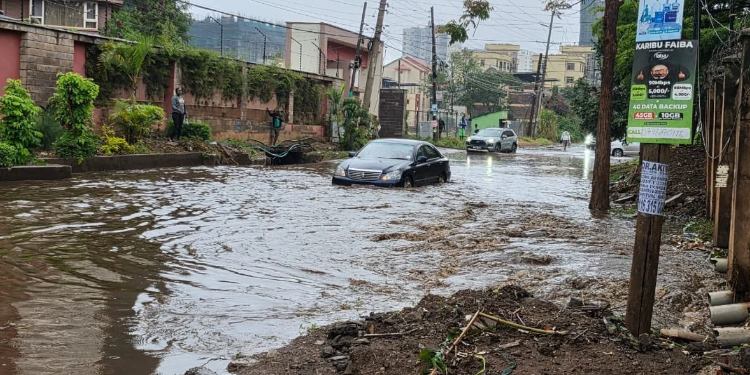
According to the forecast, the expected rainfall may trigger flash floods, river flooding and landslides in vulnerable areas.
The weather agency warns that heavy downpours could affect infrastructure, disrupt transport and expose communities in high-risk areas to weather-related hazards.
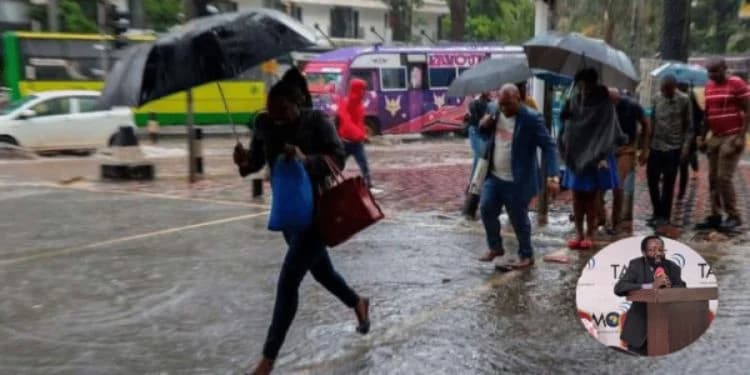
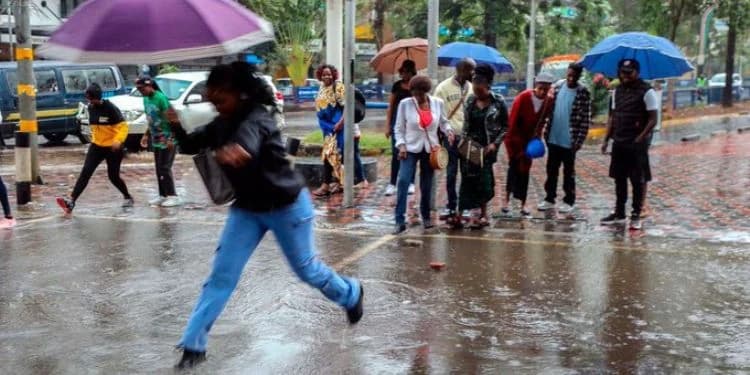
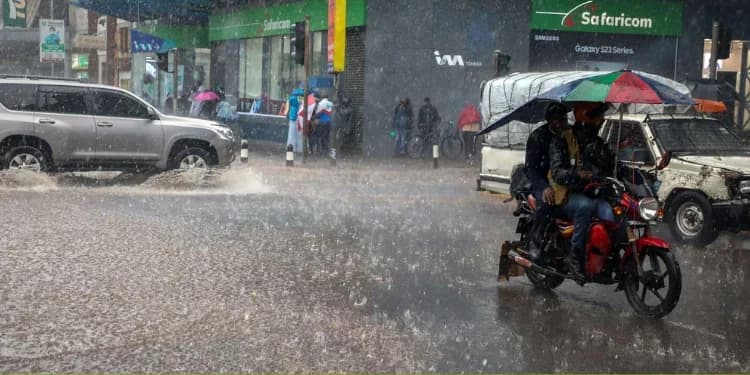
Road networks in some regions may become difficult to access during intense rainfall, while urban areas with inadequate drainage systems could flood after sustained downpours.
The forecast also points to possible property damage and disruptions to economic activities where heavy rains persist.
Beyond flooding, health authorities may have to contend with increased disease risks associated with heavy rainfall.
The forecast notes that stagnant water created by flooding could provide breeding grounds for mosquitoes, increasing the risk of malaria transmission.
Contamination of water sources may also heighten the risk of cholera, typhoid and other water-borne diseases.
At the same time, the rains are expected to benefit agriculture and water resources.
Improved soil moisture conditions are likely to support crop growth in farming areas, while pasture and browse conditions are expected to improve in livestock-producing regions.
Increased rainfall is also expected to replenish rivers, dams and other water sources across the country.
Kenya Met’s Warmer Temperatures Forecast
Alongside the rainfall outlook, the Kenya Meteorological Service Authority is forecasting warmer-than-average temperatures across the country throughout November.
The agency says the warmer conditions are expected to persist during the wider November-December-January period.
Some of the highest temperatures are expected in northern counties including Turkana, Samburu, Marsabit, Mandera, Wajir and Garissa, where daytime temperatures could reach 38 degrees Celsius.
Other parts of the country are expected to record daytime temperatures ranging between 20 and 30 degrees Celsius.
In parts of the Central Highlands, including areas around Nairobi and neighbouring counties, minimum temperatures could fall to about four degrees Celsius despite the generally warm conditions expected nationally.
The forecast also indicates that the wetter-than-normal conditions are likely to continue beyond November, with above-average rainfall expected across many of the same regions during the broader November-December-January season.
The outlook was issued on October 30 by Edward M. Muriuki, Acting Director General of the Kenya Meteorological Service Authority, who advised the public to continue monitoring weather forecasts and advisories released by the agency during the season.
2024 Floods
Kenya’s latest flood warning comes against the backdrop of the devastating 2024 floods, which killed at least 315 people, injured 188 and left 38 missing across the country.
More than 293,000 people were displaced and over 306,000 affected in 43 counties. The disaster hit regions including Kisumu, Homa Bay, Busia, Migori, Kakamega, Tana River, Garissa and Nairobi.
One of the deadliest incidents occurred in Mai Mahiu, Nakuru County, where flash floods swept through communities, killing dozens.
Flooding also disrupted learning for more than 350,000 students and caused widespread damage to homes, roads, businesses and critical infrastructure.
Follow our WhatsApp Channel and X Account for real-time news updates and our YouTube Channel for in-depth interviews.
Comments
No comments yet. Be the first to share your thoughts.