
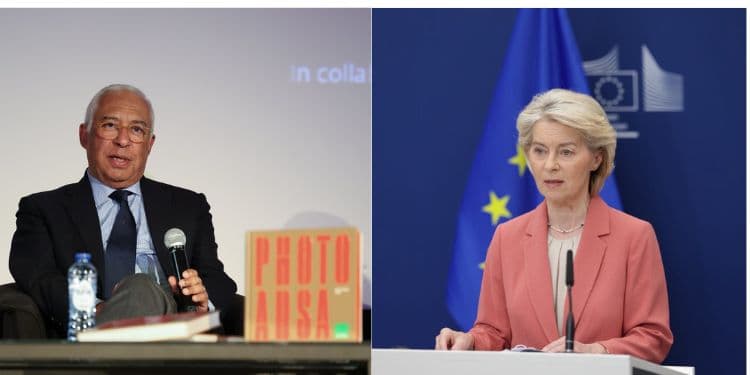
Von der Leyen noted that the bloc offered technical support and funding to help restore the flow of oil, and that Ukraine accepted the assistance. European specialists, she added, were ready to deploy to support the effort.
“Our priority is to ensure energy security for all European citizens,” von der Leyen said, adding that the EU would continue working on alternative routes for non‑Russian crude oil to Central and Eastern Europe.
After years of reducing dependence on Russian energy, the bloc is now accelerating plans to diversify how oil reaches its markets, using a mix of pipelines, ports, and alternative transit corridors.
The pipeline is one of the main routes supplying oil to parts of Central and Eastern Europe, and any interruption has immediate consequences for fuel availability and prices.
Middle East Shipping Limits and Europe’s Pipeline Disruptions
Iran’s move to block US ships from the Strait of Hormuz is changing how oil is transported around the world, as Europe looks for alternative routes to secure supplies after disruptions linked to Russia.
Iran has barred American vessels from transiting the Strait of Hormuz, a narrow passage that carries about one‑fifth of the world’s oil.
The restriction has already begun to affect shipping schedules and insurance costs, putting extra pressure on energy markets. Access to the Strait has been maintained for most shipping, though US ships are not allowed through.
These markets are also dealing with problems in Europe, where oil supplies have been disrupted by attacks on pipeline infrastructure.
As shipping routes in the Middle East face new limits, Europe is dealing with its own energy challenge following renewed Russian strikes on oil facilities.
The combination of problems at sea and on land is making it harder to keep oil flowing smoothly, pushing governments to act quickly to protect supplies.
Pressure on Global Energy Routes
The situation is unfolding at the same time as new restrictions in the Strait of Hormuz, adding strain to global oil supplies. The narrow waterway connects oil‑producing countries in the Persian Gulf to the rest of the world, and even small disruptions there can quickly affect fuel supplies and prices elsewhere.
Iran says it has not completely closed the strait, but by blocking US ships, it has reduced options for American‑linked shipping. That has also limited the United States’ ability to operate freely in the waterway.
The move has raised concerns in countries that depend heavily on oil from the Gulf, including parts of Asia and Europe.
For Europe, the timing is especially difficult. Oil pipeline disruptions linked to Russia are happening at the same time as growing instability in Middle East shipping lanes.
Oil markets are still operating, but the combined strain shows how exposed global energy supplies remain to political conflict.




Comments
No comments yet. Be the first to share your thoughts.