
97 per cent of Kenya’s refugee, ASAL households in need of humanitarian aid - study

The findings come after below-average and erratic short rains in October-December 2025 contributed to crop losses, poor pasture regeneration and livestock deaths.
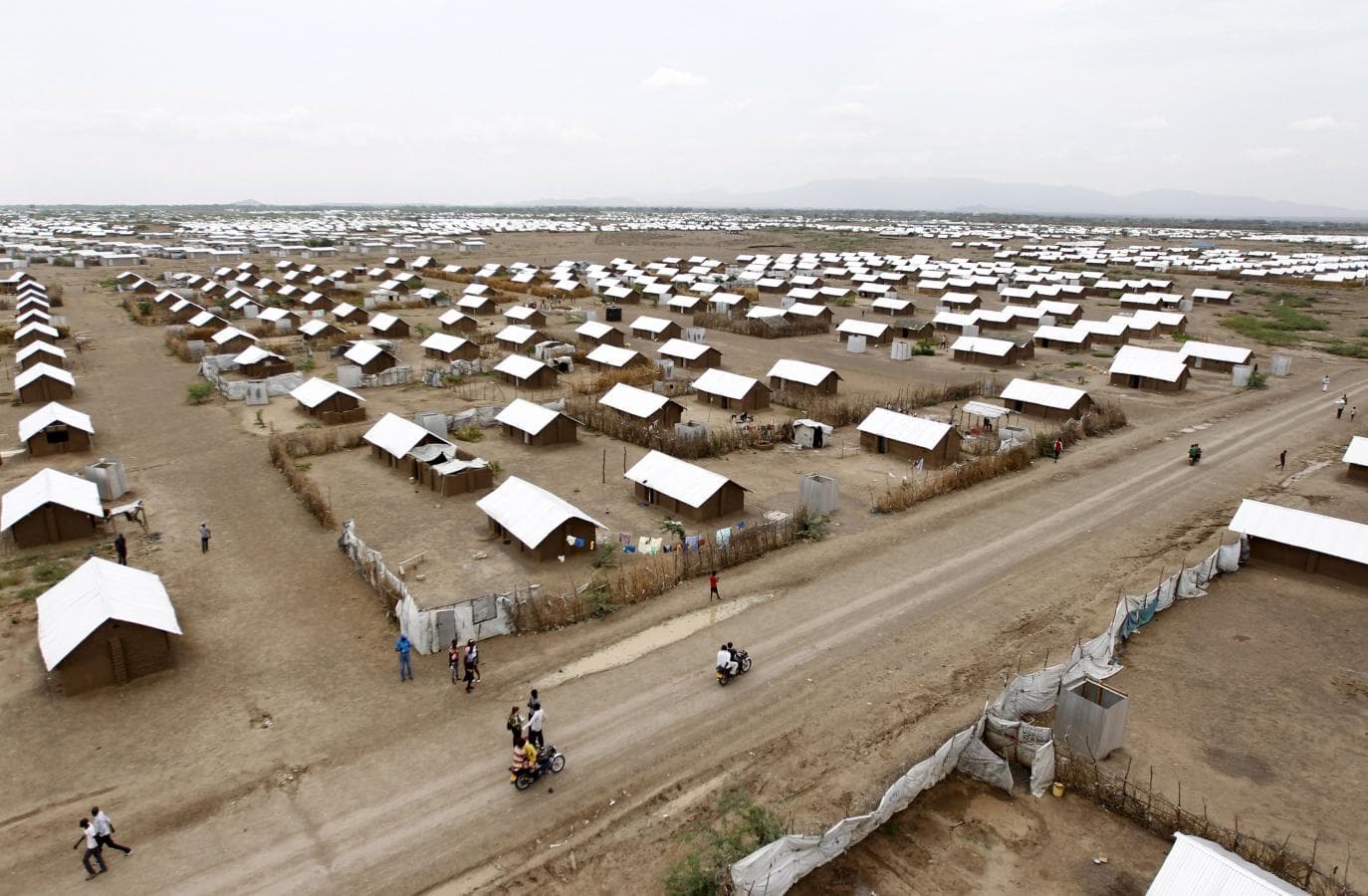
Only three per cent of refugee, host and drought-affected households in Kenya are free from humanitarian needs, with 97 per cent still requiring assistance amid lingering effects of poor rainfall, livelihood losses and high living costs, a new study has shown.
The 2026 Multi-Sectoral Needs Assessment (MSNA) highlights that 59 per cent of households in arid and semi-arid lands (ASALs) are in severe need.
The findings come after below-average and erratic short rains in October-December 2025 contributed to crop losses, poor pasture regeneration and livestock deaths.
About 3.3 million people are estimated to be food insecure in early 2026, particularly in Mandera, Wajir, Garissa, Turkana and Marsabit.
Although the March-May long rains improved water and pasture conditions, depleted livestock herds, lost livelihoods and high costs continued to undermine household recovery.
The assessment is based on 4,896 household interviews conducted between June 9 and 25 across selected refugee settlements and ASAL counties.
Latest Stories
- Ferdinand Waititu, co-accused seek lenient sentences in Sh588 million graft case
- Eastleigh building collapse: How authorities are using phone signals to trace missing people
- Police search underground sections of collapsed Eastleigh building for missing persons
- UAE's Lana Nusseibeh shakes up UN race with high-profile endorsements
Despite the widespread needs, only 48 per cent of assessed households reported receiving humanitarian assistance in the 12 months before the survey, leaving more than half without reported support during that period.
Refugee households were more likely to receive aid, with 81 per cent reporting assistance compared with 44 per cent of host and affected households.
The report also revealed a strong preference for unrestricted cash, selected as the first-choice assistance by 75 per cent of households, compared with 17 per cent who preferred food distributed directly.
However, preferences differed across refugee settlements.
In Dadaab, 68 per cent favoured unrestricted cash, while in-kind food was preferred by 61 per cent of households in Kakuma and 43 per cent in Kalobeyei.
Food shortages were the leading concern, with 68 per cent of households identifying lack of access to food among their priority needs.
Access to safe drinking water, shelter and essential household items, and income also featured prominently.
Among households that received assistance, 62 per cent said it met all or most of their most important needs, although satisfaction varied considerably by location.
Only 58 per cent of all assessed households believed assistance reached those who needed it most, pointing to concerns over targeting and equitable distribution.
The report recommends that humanitarian agencies consider local needs and preferences when designing support, alongside transparent targeting criteria and accessible feedback mechanisms.
With humanitarian resources constrained, the findings underscore the challenge facing aid agencies as they seek to reach vulnerable populations while ensuring assistance addresses their most urgent needs.


Comments
No comments yet. Be the first to share your thoughts.