
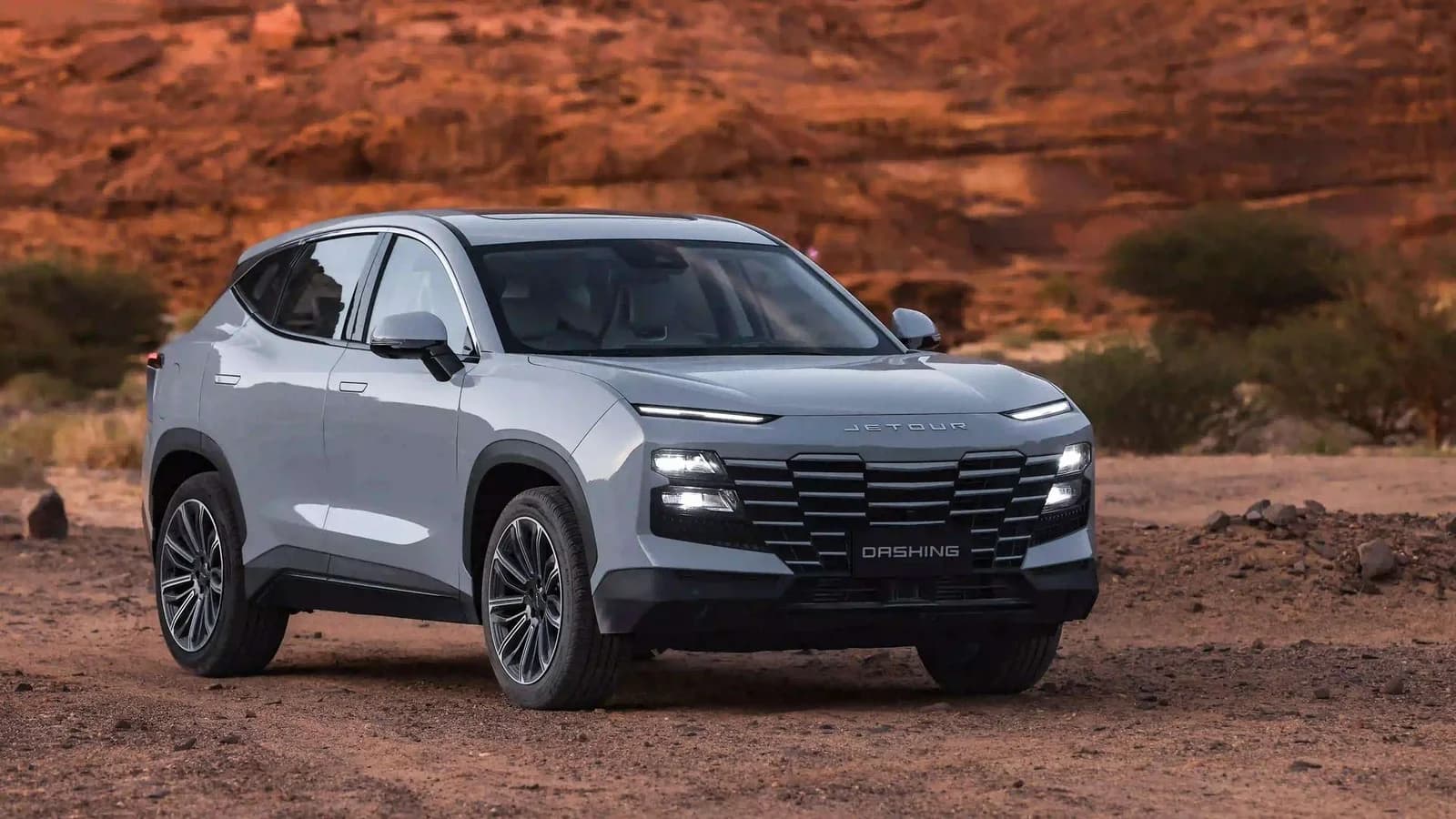
SBM Bank Kenya will lend buyers up to 95% of the price of a new Jetour SUV, repayable over up to 72 months. The bank signed a memorandum of understanding (MoU), a written agreement setting out how two companies will work together, with Global Motors Centre, the company that sells Jetour cars in Kenya. It announced the deal on Tuesday 27th October 2026.
The loans cover the four models Global Motors Centre launched here: the Dashing, the X70 Plus, the T1 and the T2. Jetour is a brand Chinese carmaker Chery started in 2018, and when it launched in Kenya in November 2025 the four cost between KES 4.9 million for the Dashing and KES 7.8 million for the T2. Global Motors Centre’s Jetour website asks buyers to call for a quote and still marks the T1 as coming soon, so the launch prices are the most recent published ones.
So what does 95% mean for you? This is asset financing. The bank pays the dealer, you pay the bank back every month, and the car is the security for the loan, so the bank can take it back if you stop paying. The 5% you put down is your deposit. On a Dashing at its launch price, that’s KES 245,000, and SBM lends you the other KES 4,655,000. Spread over 72 months, the borrowed amount alone comes to about KES 65,000 a month, before any interest. On a T2 the deposit is KES 390,000.
SBM is also bundling comprehensive motor insurance, which covers damage to and theft of your own car as well as claims from other road users, and it will finance the premium, so you don’t have to pay a year’s insurance upfront. SBM didn’t give the interest rate, the fees, how many months the premium can be spread over, or how long the MoU runs.
SBM isn’t the first bank Global Motors Centre has signed. In April, Absa Bank Kenya agreed to finance up to 100% of Jetour personal vehicles, repayable over 72 months. In July, Equity Bank signed in Mombasa with Global Motors Centre and its sister company TransAfrica Motors, which sells FAW trucks, and the deal included 100% financing for new Jetour SUVs.
| Bank | Signed | Share of the price financed | Longest repayment |
|---|---|---|---|
| Absa Bank Kenya | April 2026 | Up to 100% | 72 months |
| Equity Bank | July 2026 | 100% | Not stated |
| SBM Bank Kenya | October 2026 | Up to 95% | 72 months |
So on the one number all three banks published, SBM’s offer is the smallest. Funny, SBM has gone further before. It signed a 100% vehicle financing deal with Tata in May 2023, and in August 2025 it agreed to finance up to 100% of selected new vehicles sold by Caetano Kenya, including JMC, KIA, Hyundai, Ford and Renault models.
None of the three has published an interest rate for its Jetour loans, and that’s the number that decides which one is cheaper. With no deposit you borrow more of the price and pay interest on all of it, so a 95% loan at a lower rate can cost you less over six years than a 100% loan at a higher one. Until the banks quote rates, the deposit is the only thing you can compare.
For Global Motors Centre, every bank it signs is one more place a buyer can get a loan. That matters for a young brand selling new cars from KES 4.9 million in a market that mostly buys used imports. Dealers that report to the Kenya Motor Industry Association (KMI) sold 7,466 new vehicles in the first half of 2026, up 19.4% from 6,254 a year earlier. That’s roughly 1,240 a month. SBM’s release puts imported used vehicles at 7,000 to 9,000 a month.
Credit has also got cheaper. The Central Bank of Kenya cut its benchmark rate ten times in a row, from 13% in August 2024 to 8.75% in February 2026, and has held it there at every meeting since, most recently on 7th October 2026. Chinese brands are selling more too. In the ten months to October 2025 they took 7.46% of new vehicle sales by KMI members, up from 0.49% in the same months of 2021, led by the truck makers Sinotruk and Foton.
For SBM, a car loan is lending against something it can repossess. The bank’s profit before tax more than doubled to KES 911 million in the nine months to September 2026, customer deposits grew 29% to KES 97.3 billion and net loans grew 23% to KES 56.5 billion. Its non-performing loans, the ones borrowers have stopped paying, are down to 16.9% of the book from 32.3% a year earlier. In July we explained how much of SBM’s profit growth came from replacing expensive Central Bank borrowing with customer deposits.
For anyone shopping for a Jetour, SBM’s deal adds a third lender, but on paper its offer is the weakest of the three. A bank that asks for a deposit when two rivals don’t has to win on the rate, the fees or how fast it approves the loan, and SBM hasn’t published any of those. If you already bank with SBM, applying there may be simpler. If you don’t, get quotes from Absa and Equity as well, and compare the rate and fees alongside the deposit.

Comments
No comments yet. Be the first to share your thoughts.