
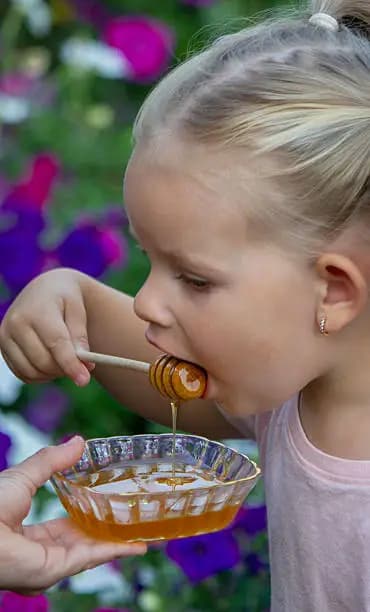
Learning how to introduce honey to a baby requires careful attention to age and food safety. Unlike many other complementary foods, honey should not be given to babies younger than 12 months because it can contain bacteria that cause infant botulism. Once a child reaches 12 months, honey can be introduced in small amounts as part of a balanced diet, while parents should still remember that honey is an added sugar.
-
Table of Contents
ToggleWait Until Your Baby Is 12 Months Old
The most important rule when introducing honey is to wait until your baby is at least 12 months old. Health authorities recommend avoiding honey completely during the first year of life because honey can contain spores of bacteria that may grow in an infant’s intestines and produce a dangerous toxin.
- Do not give honey before 12 months
- Do not add honey to baby food
- Do not put honey in infant formula or water
- Do not use honey on a pacifier
-
Understand Why Honey Is Unsafe for Young Babies
Honey can occasionally contain spores of bacteria that cause botulism. Babies younger than one year are particularly vulnerable because their digestive systems are still developing.
Infant botulism is rare but can be serious and may cause muscle weakness, poor feeding, a weak cry and breathing difficulties.
-
Introduce Honey After 12 Months
Once your child is 12 months or older, honey can be introduced as part of their normal diet.
There is no special requirement to introduce honey in a particular way. Start with a small amount and see how your child responds to its taste.
- Offer a small amount initially
- Use honey as part of a meal or snack
- Avoid making honey a daily necessity
- Continue offering a variety of nutritious foods
-
Add a Small Amount to Familiar Foods
After your child turns one, you can mix a small amount of honey into foods they already eat.
For example, honey can be added to plain yogurt, oatmeal or another suitable food. However, babies and young children do not need added sugar for healthy growth, so honey should remain an occasional ingredient rather than a major part of the diet.
- Mix a small amount into plain yogurt
- Add a little to oatmeal
- Use it occasionally rather than regularly
- Continue prioritizing naturally nutritious foods
-
Avoid Using Honey to Sweeten Every Food
Honey is still a form of sugar. Although it may seem healthier than some other sweeteners, frequent exposure to sugary foods can contribute to dental problems and encourage a preference for sweet tastes.
Keep meals varied and allow your child to experience the natural flavours of fruits, vegetables and other foods.
- Avoid adding honey to every meal
- Choose whole fruits for natural sweetness
- Limit sugary snacks and drinks
- Encourage a varied diet
-
Check Packaged Foods Carefully
After 12 months, your child may eat foods containing honey, but parents should still check ingredient labels.
Honey may appear in cereals, baked foods, sauces, snacks and other packaged products.
Before 12 months, avoid products containing honey rather than assuming that processed or packaged honey-containing foods are safe. The CDC specifically advises against giving honey or products made with it to children younger than one year.
-
Never Put Honey on a Pacifier
Some people may use sweet substances to encourage babies to take a pacifier, but honey should never be used for this purpose before 12 months.
Honey exposure through a pacifier can still present a botulism risk.
- Never dip a baby’s pacifier in honey
- Avoid honey-coated pacifiers
- Do not use honey to calm a baby
- Use age-appropriate soothing methods instead
-
Watch for Signs of Illness
If a baby younger than 12 months accidentally consumes honey, parents should not panic, but they should be aware of symptoms of infant botulism and seek medical advice if concerns arise.
Possible symptoms include constipation, poor feeding, a weak or unusual cry, reduced facial expression, drooping eyelids, weakness or difficulty breathing. Botulism can become a medical emergency.
- Watch for unusual weakness
- Pay attention to feeding difficulties
- Look for a weak or unusual cry
- Seek urgent medical care for breathing difficulties
-
Continue Breast Milk or Formula During the First Year
Honey should not replace breast milk or infant formula during the first year. Babies can begin complementary foods at around 6 months when they are developmentally ready, but breast milk or infant formula remains an important source of nutrition during this period.
Instead of using honey to sweeten foods, offer age-appropriate fruits and other nutritious foods.
-
Introduce Other Foods According to Your Baby’s Age
There are many foods that can be introduced during complementary feeding from around 6 months. Honey is different because it should specifically be avoided until 12 months.
Parents can focus on vegetables, fruits, grains, suitable protein foods and dairy foods without added sugar as their baby develops.
- Introduce suitable foods gradually
- Offer different flavours and textures
- Follow your baby’s developmental abilities
- Avoid foods that are unsafe for their age
-
Make Honey an Occasional Food
After your child reaches 12 months, honey can be included occasionally in a balanced diet. There is no need to give honey every day.
Using small amounts helps keep added sugar intake low while allowing your child to enjoy different flavours.
- Use small portions
- Avoid making honey a daily habit
- Choose nutritious meals most of the time
- Encourage water and suitable milk as drinks
-
Ask a Healthcare Professional When You Are Unsure
If your baby has accidentally eaten honey before 12 months, or you are concerned about possible symptoms, contact a healthcare professional for appropriate advice.
Parents should seek urgent medical attention if a baby develops signs such as significant weakness, difficulty feeding, a weak cry or breathing problems.



Comments
No comments yet. Be the first to share your thoughts.