
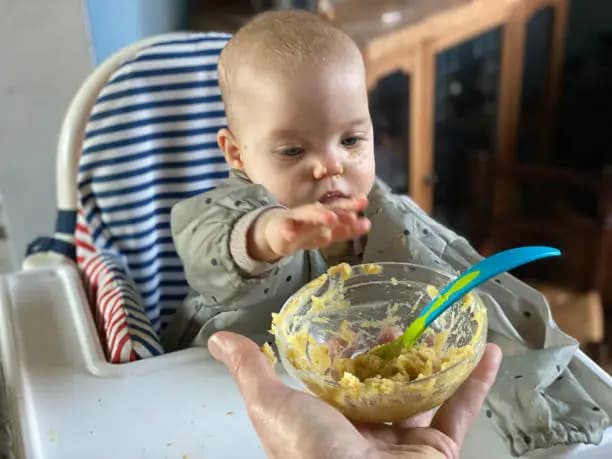
Learning how to introduce hummus to baby can help parents add new flavours, textures and nutritious foods to a baby’s diet. Hummus is usually made from chickpeas and may contain tahini, which is made from sesame. It can generally be introduced when a baby is ready for solid foods, usually around 6 months. However, it is important to choose a suitable texture, watch for allergies and avoid unnecessary salt.
-
Table of Contents
ToggleWait Until Your Baby Is Ready for Solid Foods
Most babies are ready to begin complementary foods at around 6 months when they show signs of developmental readiness. These may include sitting with support, controlling their head and neck and being able to swallow food.
Hummus can be introduced as part of a varied diet once your baby is ready for solid foods.
- Start around 6 months for most babies
- Look for signs of readiness
- Continue breast milk or infant formula
- Introduce new textures gradually
-
Choose a Simple Hummus
When introducing hummus for the first time, choose a simple version with a smooth texture. Homemade hummus can make it easier to control the ingredients, particularly the amount of salt.
Some commercial hummus products can contain relatively high amounts of sodium, so check the label when buying one for your baby.
- Choose smooth hummus
- Look for low-sodium options
- Avoid added salt where possible
- Check the ingredient list
-
Check the Ingredients for Allergens
Hummus commonly contains tahini, which is made from sesame. Sesame is a common food allergen, so parents should be aware of this when introducing hummus.
If your baby has already eaten sesame without a reaction, hummus containing tahini can be introduced as part of their diet. If sesame is new, introduce it carefully and watch for signs of an allergic reaction.
- Check whether the hummus contains tahini
- Introduce sesame in an age-appropriate form
- Watch for signs of an allergic reaction
- Seek medical advice for babies with known food allergies
-
Start With a Small Amount
When offering hummus for the first time, begin with a small amount. This allows your baby to become familiar with the taste and texture while giving you an opportunity to observe how they respond.
There is no need to expect your baby to eat a large portion during the first introduction.
- Offer a small taste
- Let your baby explore the food
- Increase the amount gradually
- Follow your baby’s appetite
-
Serve Hummus With a Safe Texture
Hummus is soft, but it should still be served in a way that matches your baby’s developmental abilities. You can offer a small amount for your baby to scoop with their hands or spread it thinly on an appropriate soft finger food.
Avoid giving large, sticky amounts that could be difficult for your baby to manage.
- Keep the texture smooth
- Spread hummus thinly when using bread or toast
- Avoid thick globs
- Choose foods your baby can safely grasp and eat
-
Offer Hummus on Soft Finger Foods
Once your baby is comfortable with hummus, you can serve it with suitable finger foods. Soft-cooked vegetables, appropriately prepared toast or other age-appropriate foods can provide opportunities for your baby to explore different flavours and textures.
Always prepare accompanying foods according to your baby’s developmental stage.
- Use soft-cooked vegetables
- Try thinly spread hummus on suitable toast
- Offer age-appropriate foods for dipping
- Avoid hard or firm foods that may increase choking risk
-
Watch Your Baby While Eating
Always supervise your baby while they are eating. Make sure they are sitting upright in a safe eating position and remain within reach during the meal.
Gagging can happen as babies learn to handle new textures, while choking is a medical emergency.
- Keep your baby seated upright
- Stay close during meals
- Do not leave your baby eating unattended
- Learn the difference between gagging and choking
-
Watch for Signs of an Allergic Reaction
Because hummus may contain sesame and other ingredients, watch your baby after introducing it for possible allergic symptoms.
Signs can include hives, swelling, vomiting, coughing or breathing difficulties. A severe reaction involving difficulty breathing or swelling of the mouth or throat requires urgent medical attention.
- Observe your baby after a new food
- Look for unusual skin changes
- Watch for vomiting or swelling
- Seek urgent medical help for serious symptoms
-
Introduce Hummus as Part of a Varied Diet
Hummus can be one of many foods included in your baby’s complementary diet. Chickpeas provide protein, iron and fibre, while other ingredients may contribute additional nutrients.
Continue offering a variety of vegetables, fruits, grains, protein foods and suitable dairy foods as your baby develops.
- Offer different vegetables and fruits
- Include different sources of protein
- Introduce a variety of textures
- Continue offering familiar foods alongside new ones
-
Avoid Adding Honey to Hummus
Do not add honey to hummus or other foods given to babies under 12 months because honey can carry bacteria that may cause infant botulism.
If you are making hummus at home, check all ingredients before serving it to your baby.
- Avoid honey before 12 months
- Check packaged ingredients
- Use simple baby-friendly recipes
- Keep preparation areas clean
-
Make Homemade Hummus When You Want More Control
Making hummus at home can be a convenient way to control the ingredients and texture. Cooked chickpeas can be blended with suitable ingredients to make a smooth dip.
For a baby’s portion, avoid adding salt and adjust the consistency so it is easy for your baby to manage.
- Use cooked chickpeas
- Blend until smooth
- Avoid added salt
- Adjust the texture to suit your baby
-
Continue Offering Foods Your Baby Tolerates
If your baby eats hummus without any signs of a reaction, you can continue offering it as part of a varied diet. Repeated exposure to different foods and textures can help babies become familiar with a wider range of foods.
There is no need to pressure your baby to eat a particular amount.
- Continue foods your baby tolerates
- Offer hummus occasionally as part of meals
- Follow your baby’s hunger and fullness cues
- Keep introducing different foods



Comments
No comments yet. Be the first to share your thoughts.