
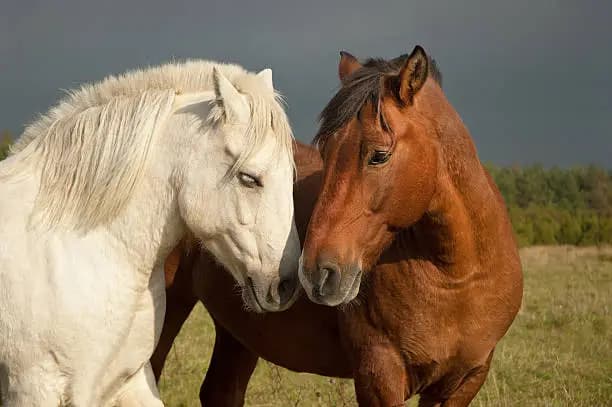
Learning how to introduce horses to each other requires patience, careful observation and a safe approach. Horses are social animals, but they also establish a natural hierarchy within a group. A rushed introduction can lead to chasing, kicking or other injuries. By allowing horses to become familiar with each other gradually, owners can reduce unnecessary stress and create better conditions for a safe and successful introduction.
-
Table of Contents
ToggleChoose a Safe Location
Before introducing the horses, choose an area where they can be safely managed. A secure paddock or spacious enclosure with strong fencing can provide enough room for the horses to move away from each other if necessary.
Avoid introducing unfamiliar horses in a small space where one animal may feel trapped.
- Use secure fencing
- Choose a spacious area
- Remove dangerous objects
- Check the enclosure before starting
-
Allow the Horses to See Each Other First
Start by allowing the horses to see each other without direct physical contact. They can be kept in neighbouring paddocks or separated areas where they can observe and smell one another safely.
This gives them an opportunity to become familiar with the other horse’s presence before sharing the same space.
- Keep the horses separated initially
- Allow visual contact
- Observe their body language
- Give them time to settle
-
Let Them Smell Each Other
Scent is an important part of how horses identify other animals. Allowing them to smell each other through a safe barrier can help make the new horse less unfamiliar.
Avoid forcing the horses to interact. Allow them to approach the fence voluntarily.
- Let them investigate naturally
- Avoid forcing contact
- Watch their reactions
- Allow enough time for curiosity to settle
-
Introduce Them Over a Secure Fence
Once the horses appear reasonably calm around each other, allow them to interact through a secure fence. They may sniff, squeal, pin their ears or move away.
Some warning behaviours are normal when horses first meet, but aggressive behaviour should be taken seriously.
- Keep a secure barrier between them
- Watch for kicking
- Monitor chasing attempts along the fence
- Separate them if behaviour becomes dangerous
-
Choose the Right Time for Direct Introduction
When the horses have become calmer around each other, choose a suitable time for their first direct introduction. Ideally, introduce them in a large, secure area where they have room to move away from one another.
Avoid crowded areas, slippery surfaces or locations with obstacles that could cause injury.
- Use a large enclosed space
- Check the footing
- Remove obstacles
- Have an experienced handler nearby
-
Supervise Their First Meeting
Stay close enough to intervene if necessary, but avoid creating unnecessary tension. Horses may sniff each other, squeal, squeak, turn away or briefly threaten one another while establishing boundaries.
Give them room to communicate naturally while watching carefully for dangerous escalation.
- Observe body language
- Watch their ears and posture
- Look for kicking or charging
- Be prepared to separate them
-
Give Them Enough Space
Space is particularly important during the first direct meeting. A horse that feels trapped may react more aggressively.
A large paddock allows horses to move away from each other and reduces the likelihood of one horse being cornered.
- Avoid small enclosures
- Provide escape space
- Keep gates and fencing secure
- Avoid overcrowding
-
Be Careful With Food and Resources
Food, water, shelter and other resources can cause competition between unfamiliar horses. Do not place a single pile of feed between horses that are still getting to know each other.
Provide enough space and resources to reduce competition.
- Provide multiple feeding areas
- Spread resources apart
- Avoid feeding aggressively competing horses together initially
- Monitor resource guarding
-
Watch for Signs of Aggression
Understanding horse body language is essential during introductions. Warning signs may include pinned ears, threatening movements, biting attempts, charging, striking or repeated kicking.
If aggression becomes intense or persistent, separate the horses and try a slower introduction later.
- Watch for pinned ears
- Monitor biting attempts
- Look for charging
- Take repeated kicking seriously
-
Consider Their Individual Temperaments
Not all horses respond to introductions in the same way. Age, previous experiences, temperament, sex and social history can influence how a horse behaves around another animal.
A calm horse may accept a new companion quickly, while another may require more time.
- Consider each horse’s temperament
- Take previous experiences into account
- Avoid rushing nervous horses
- Monitor individual reactions
-
Gradually Increase Their Time Together
If the first meetings remain calm, gradually increase the amount of time the horses spend together. There is no need to rush the process.
Continue supervising them until you are confident that they can remain together safely.
- Start with shorter interactions
- Increase time gradually
- Continue monitoring behaviour
- Separate them when necessary
-
Monitor Them After the Introduction
Even if the initial meeting goes well, continue monitoring the horses after they begin living or spending more time together. Relationships can change as the horses establish their social hierarchy.
Check for injuries, unusual behaviour, weight loss, stress or repeated bullying.
- Check for injuries
- Monitor eating and drinking
- Watch for persistent bullying
- Separate horses if safety becomes a concern
-
Take Extra Care With New or Vulnerable Horses
A newly acquired horse should also be managed with appropriate health precautions before being placed with established horses. Depending on the circumstances, veterinary advice, health records and quarantine procedures may be appropriate to reduce the risk of spreading infectious diseases.
This is particularly important when introducing a horse from an unknown or different facility.
- Review health records
- Consider veterinary advice
- Follow appropriate quarantine procedures
- Monitor the new horse’s health
-
Get Professional Help When Necessary
If either horse has a history of serious aggression, repeated fighting or dangerous behaviour, consider working with an experienced horse trainer or equine professional.
Professional assistance can help you develop a safer introduction plan based on the horses’ individual behaviour.
-
Be Patient With the Process
Successful introductions do not always happen in a single meeting. Some horses may become comfortable with each other quickly, while others may need several controlled interactions.
The goal is not to force the horses to become friends immediately. The goal is to allow them to become familiar with each other while minimizing stress and injury.


Comments
No comments yet. Be the first to share your thoughts.